UK Gambling Advertising Faces Mounting Pressure: 70% of Public Supports Tougher Restrictions
The United Kingdom’s gambling advertising landscape confronts unprecedented scrutiny as new polling reveals 70% of the public favors tighter controls on gambling promotion, with more than a quarter supporting outright advertising bans. The research, published in January 2026 in the report “Ending a Losing Streak,” places renewed pressure on Labour government ministers to consider comprehensive reforms extending beyond voluntary industry codes that critics argue have failed to adequately protect children and vulnerable adults from pervasive gambling marketing.
Best Online Casinos 2026
The Scale of UK Gambling Advertising
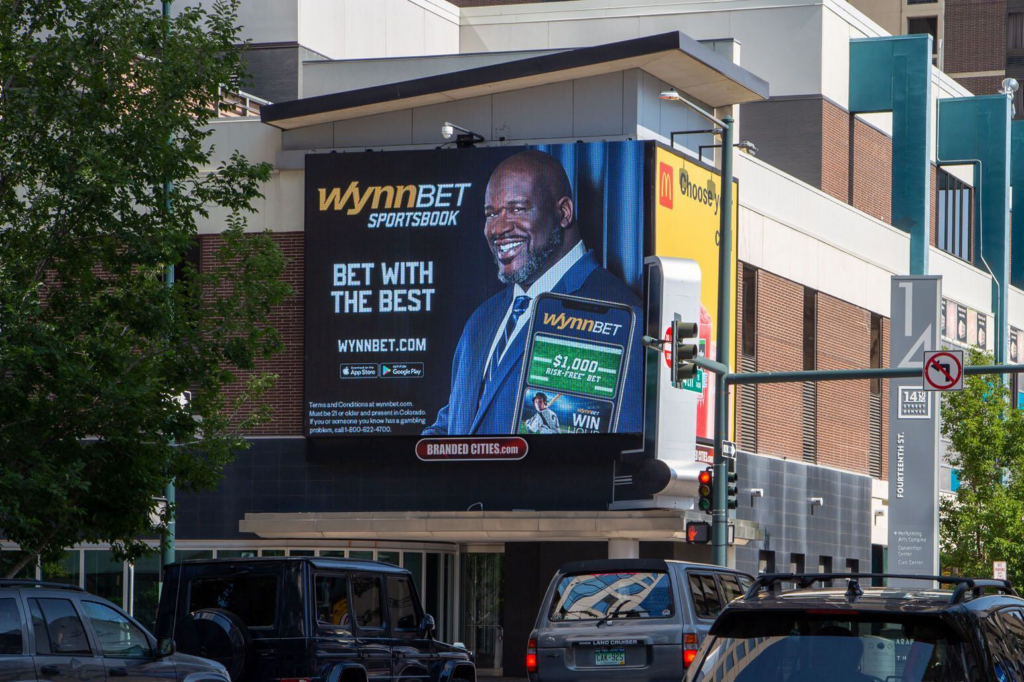
The gambling industry represents one of the UK’s most intensive advertising sectors, with annual marketing expenditure estimated between £1.15 billion and £2.0 billion across television, digital platforms, sports sponsorships, and social media. This massive promotional investment creates near-ubiquitous exposure to gambling messaging across British media landscape.
| Advertising Channel | Estimated Annual Spend | Reach (UK Adults) | Primary Format |
| Television Broadcasting | £340-450 million | 85% | Commercial breaks, sponsorships |
| Digital/Social Media | £280-380 million | 78% | Display ads, influencer marketing, social posts |
| Sports Sponsorship | £210-280 million | 68% | Shirt sponsors, stadium advertising, naming rights |
| Affiliate Marketing | £180-240 million | 52% | Comparison sites, SEO content, reviews |
| Outdoor/Print | £95-130 million | 64% | Billboards, magazines, newspapers |
| Radio | £45-65 million | 42% | Commercial breaks, show sponsorships |
| Total Industry Spend | £1.15-1.55 billion | Varied | Multi-channel saturation |
The investment creates extraordinary market visibility. Research shows the average UK adult encounters gambling advertising 14.3 times weekly across various channels, with higher exposure among sports fans (23.7 weekly encounters) and social media heavy users (19.4 weekly encounters). This saturation fuels public concern that gambling promotion has transitioned from acceptable commercial messaging to excessive bombardment.
Public Opinion: A Dramatic Shift
The “Ending a Losing Streak” report, published January 1, 2026, presents what researchers characterize as the most detailed account of British public attitudes toward gambling advertising. The polling, conducted by More in Common think tank and commissioned by campaign groups opposing gambling promotion, documents substantial public appetite for regulatory intervention.
| Public Position on Gambling Advertising | Percentage | Demographic Variation |
| Support tougher advertising controls | 70% | Consistent across age groups, slightly higher among 45+ (76%) |
| Support complete advertising ban | 27% | Higher among non-gamblers (34%), lower among regular gamblers (18%) |
| Children under 18 should see no gambling ads | 67% | Near-universal among parents (81%) |
| Support ban on football shirt sponsorship | 52% | Higher among football fans (58%) concerned about normalization |
| Believe current regulations inadequate | 64% | Strong consensus across political affiliations |
| Feel “bombarded” by gambling promotions | 61% | Particularly television viewers (72%) and social media users (68%) |
The data reveals critical insight: 70% support for tighter controls transcends typical partisan divides, with strong majorities across Conservative, Labour, and Liberal Democrat voters favoring enhanced restrictions. This cross-party consensus creates political opportunity for government action without significant electoral risk.
Conservative peer Sir Iain Duncan Smith, who signed the report’s foreword, stated: “Even those who gamble support a tougher stance on the industry, supporting moves to track expenditure and ensure limits on unaffordable losses. In fact, more gamblers want the sector to shrink than to grow. These findings directly contradict the gambling industry, which repeatedly claims to represent the views of gamblers when it demands looser regulation.”
Children’s Exposure: The Central Concern
Children’s exposure to gambling advertising emerges as the most politically salient issue, with 67% of respondents believing under-18s should encounter zero gambling promotion. Recent research demonstrates that despite existing restrictions, children face substantial gambling marketing exposure.
| Youth Gambling Advertising Exposure | 11-17 Year-Olds | Context |
| Saw gambling advertising online (2024) | 62% | Majority of UK minors exposed |
| Recalled specific gambling brand names | 48% | High brand awareness |
| Recognized celebrity ambassadors | 37% | Sports personalities particularly influential |
| Saw gambling ads during sports broadcasts | 54% | Despite whistle-to-whistle restrictions |
| Encountered gambling content on social media | 41% | Instagram, TikTok, YouTube primary channels |
| Recognized gambling brand sponsorships | 58% | Football shirt sponsorships highly visible |
The 62% online advertising exposure rate proves particularly concerning given that children should theoretically encounter no gambling advertising under current regulations requiring 25+ age targeting for digital campaigns. The exposure occurs through several mechanisms: inadequate age verification on social media platforms, gambling content in ostensibly general-interest videos, sports highlights featuring gambling-branded imagery, and influencer marketing that blurs lines between entertainment and promotion.
Dr. Raffaello Rossi, University of Bristol researcher, emphasized: “Children’s developing brains are particularly susceptible to advertising influence. Exposure to gambling promotion during formative years normalizes gambling as everyday activity rather than risky financial behavior. This early-life exposure correlates with earlier gambling initiation and higher problem gambling rates in adulthood.”
Sports Sponsorship: Football’s Gambling Problem
Gambling brand domination of football sponsorship represents the most visible manifestation of industry marketing power, with half the public supporting bans on gambling shirt sponsorships.
| Football Gambling Sponsorship Category | 2023-24 Season | 2024-25 Season | Premier League Policy Change Impact |
| Premier League Clubs with Gambling Shirt Sponsors | 9 of 20 (45%) | 7 of 20 (35%) | Phasing out front-of-shirt gambling |
| Championship Clubs with Gambling Sponsors | 17 of 24 (71%) | 16 of 24 (67%) | No policy change yet |
| Total EFL Clubs with Gambling Sponsors | 34 of 72 (47%) | 32 of 72 (44%) | Slight decline |
| Estimated Annual Sponsorship Value (All Tiers) | £118 million | £104 million | -12% due to Premier League policy |
The Premier League’s voluntary decision to phase out front-of-shirt betting sponsors by the 2025-26 season represents significant shift, though gambling brands remain visible on sleeves and advertising boards. The policy emerged from recognition that excessive gambling branding damages football’s family-friendly image and normalizes betting among young fans.
However, the Championship and lower tiers continue heavy gambling sponsorship dependence. For many clubs, gambling companies provide financial lifelines in competitive sponsorship markets where alternative brands prove scarce. Wolverhampton Wanderers, for instance, earns approximately £10 million annually from SportingBet shirt sponsorship—revenue difficult to replace from non-gambling sources.
Critics argue this creates uncomfortable dynamic where clubs’ financial sustainability depends on industries associated with consumer harm. Gambling reform advocates propose government support for clubs transitioning away from gambling sponsorship, potentially funded through increased gambling taxation.
Regulatory Framework: Current Protections and Gaps
UK gambling advertising operates under multi-layered regulatory framework administered by the Advertising Standards Authority (ASA) and UK Gambling Commission, with rules consolidated in the CAP and BCAP codes.
| Current Advertising Restriction | Effective Date | Key Requirements | Enforcement Mechanism |
| Whistle-to-Whistle TV Ban | 2019 (voluntary) | No gambling ads during live sports broadcasts before 9pm watershed | Industry self-regulation, ASA oversight |
| 25+ Age Targeting (Digital) | September 2025 | All digital gambling ads must target 25+ demographic | ASA enforcement, platform cooperation required |
| Safer Gambling Messaging | September 2025 | 20% of eligible advertising must carry responsible gambling messages | ASA monitoring |
| Marketing Consent Requirements | May 2025 | Operators must obtain granular per-product, per-channel opt-ins | UKGC license condition |
| Overseas Operator Parity | September 2025 | Non-UK-based licensed operators must follow same UK advertising rules | ASA jurisdiction extended |
| Celebrity Endorsement Restrictions | Ongoing | Persons with strong appeal to under-18s prohibited | ASA case-by-case adjudication |
The framework demonstrates progressive tightening, with three major reforms implemented in 2025 alone. However, critics argue regulations prove inadequate given persistent children’s exposure and public perception of advertising bombardment.
The September 2025 overseas operator parity rule closed significant enforcement loophole. Previously, gambling operators based outside the UK (common for companies registered in Gibraltar or Malta) could market to British consumers through social media under looser rules. The CAP Code amendment means all UK-licensed operators, regardless of registration location, must comply with identical advertising standards—creating level playing field and eliminating regulatory arbitrage.
The Influencer Marketing Problem
Social media influencer gambling promotion represents rapidly growing challenge that current regulations struggle to address effectively. Influencers—particularly in gaming, sports, and lifestyle categories—promote gambling operators to audiences containing substantial under-25 populations despite age targeting requirements.
| Influencer Gambling Marketing Metric | 2024 Data | Platform |
| Gambling-Related Influencer Posts | 47,000+ | Primarily Instagram, TikTok, YouTube |
| Average Influencer Audience Age | 18-34 (68% of followers) | All major platforms |
| Posts Adequately Disclosing Sponsorship | 34% | Compliance gap |
| Posts Targeting 25+ (as required) | 41% | Significant regulatory violation |
| Estimated Reach (UK Audiences) | 280 million impressions | Massive youth exposure |
The influencer channel proves particularly problematic because content blurs lines between entertainment, personal recommendation, and commercial advertising. When a popular gaming YouTuber with 2 million subscribers (average age 19) casually mentions using a gambling site during a livestream, is this regulated advertising or personal commentary? Current rules provide ambiguous guidance.
Moreover, enforcement proves challenging. The ASA can adjudicate complaints about specific posts, but identifying and investigating tens of thousands of influencer gambling mentions across platforms exceeds regulatory capacity. Platform cooperation remains inconsistent, with some rapidly removing violating content while others respond slowly or incompletely to ASA requests.
International Comparison: UK in Global Context
The UK’s gambling advertising regime proves moderately restrictive compared to international approaches, with significant variation across jurisdictions.
| Country | Advertising Approach | Key Restrictions | Effectiveness Assessment |
| United Kingdom | Regulated with significant restrictions | Whistle-to-whistle ban, 25+ targeting, content restrictions | Moderate—high exposure persists |
| Italy | Comprehensive ban (2019) | Near-total prohibition across all media | High—significantly reduced exposure |
| Belgium | Comprehensive ban | Total prohibition on gambling advertising | High—minimal advertising presence |
| Spain | Strict limitations | Restricted times, celebrity ban, no sports broadcasts | Moderate-High—reduced but present |
| Australia | Restricted but present | Limited times, content restrictions | Low-Moderate—high exposure continues |
| Netherlands | Moderate restrictions | Untargeted advertising prohibited | Moderate—implementation ongoing |
| United States | State-by-state variation | Ranges from bans to minimal restrictions | Highly variable by jurisdiction |
Italy and Belgium’s comprehensive advertising bans represent the most restrictive approaches, virtually eliminating gambling promotion from public spaces. Post-ban studies in Italy showed 47% reduction in new gambling account registrations and 23% decline in overall gambling participation—suggesting advertising bans meaningfully impact gambling consumption.
However, comprehensive bans face political challenges in market economies with strong commercial speech protections. The UK government historically resists outright advertising prohibitions, preferring targeted restrictions addressing specific harms while permitting commercial communication for legal products.
Industry Response: Voluntary Measures and Opposition
The Betting and Gaming Council (BGC), representing 90% of UK’s betting and gaming industry, implements voluntary measures attempting to demonstrate industry responsibility and preempt statutory restrictions.
| Industry Voluntary Initiative | Implementation | Claimed Impact | Critic Assessment |
| Whistle-to-Whistle TV Ban | 2019, renewed 2022 | Reduced daytime sports advertising exposure | Insufficient—advertising still pervasive |
| Safer Gambling Week | Annual October campaign | Raises harm awareness | Positive but limited scope |
| 20% Safer Gambling Messaging | September 2025 | Significant responsible gambling content | Too recent to assess |
| Bet Regret Campaign | 2020-ongoing | Warns against impulsive betting | Limited measurable impact |
| AGE 25+ Marker | Social media ads | Prevents minors seeing gambling ads | Implementation gaps evident |
Industry representatives argue voluntary codes demonstrate commitment to responsible marketing while preserving commercial speech rights. BGC CEO Grainne Hurst stated: “The gambling industry takes its responsibilities seriously, implementing multiple voluntary restrictions exceeding legal requirements. Comprehensive advertising bans risk pushing consumers toward unlicensed operators who advertise freely with no protections.”
This black market argument mirrors industry positions on product and tax regulations: excessive restrictions drive consumers to unregulated alternatives, undermining both consumer protection and tax revenue. The argument carries some validity—illegal gambling operators advertise freely on illegal sports streams and social media without regulatory consequences.
However, critics dismiss industry voluntary measures as insufficient public relations exercises designed to forestall meaningful statutory regulation. Big Brother Watch, privacy advocacy group typically opposing government regulation, stated: “While we’re skeptical of state restrictions on commercial speech, the gambling industry’s voluntary codes have manifestly failed to prevent children’s exposure and advertising saturation. Sometimes regulation proves necessary when industry self-governance fails.”
Parliamentary Pressure and Government Response
Cross-party parliamentary support for advertising restrictions creates political momentum for government action, though ministers remain cautious about comprehensive bans.
| Political Actor | Position | Proposed Action |
| Labour MP Beccy Cooper | Strong support for restrictions | “Advertising rules no longer fit for purpose…stronger restrictions urgently needed” |
| Conservative Sir Iain Duncan Smith | Supports evidence-led tightening | “Public faith in institutions protecting us from harm has eroded” |
| DCMS Minister Stephanie Peacock | Committed to evidence-led approach | Under review—no immediate ban announced |
| Baroness Twycross (DCMS) | Acknowledges growing concerns | “Government remains committed to protecting young audiences” |
| Labour Shadow Team (pre-election) | Manifesto commitment to review | Pledged gambling advertising assessment |
The Labour government, elected with substantial majority in 2024, included gambling regulation in its manifesto but stopped short of committing to comprehensive advertising bans. DCMS ministers Stephanie Peacock and Baroness Twycross acknowledge public concerns while emphasizing “evidence-led approach”—typical political language suggesting review rather than immediate radical action.
Labour MP Beccy Cooper articulated reformer position: “While successive governments have rightly taken tentative steps towards improving regulation of the gambling sector, we need to go further. Current rules on gambling advertising are no longer fit for purpose. Promotions now saturate television, social media and influencer marketing, exposing children and young people as a matter of course. This must change, and stronger restrictions are now urgently needed to reduce harm.”
The political calculation balances public support for restrictions (70%) against industry lobbying emphasizing economic contribution (£4 billion tax revenue, 109,000 jobs) and black market risks. With Conservative opposition weakened following 2024 election defeat, Labour possesses political capital for reform—whether they choose to spend it on gambling advertising restrictions remains uncertain.
What Additional Restrictions Might Look Like
If government pursues statutory advertising restrictions beyond current voluntary codes, several policy options exist with varying stringency levels.
| Policy Option | Scope | Expected Impact | Implementation Challenge |
| Watershed Extension | Ban all gambling ads before 9pm across all media | Substantial exposure reduction | Broadcasting industry accommodation |
| Sports Broadcasting Ban | Prohibit gambling ads during all sports content | Major youth exposure reduction | Significant broadcasting revenue impact |
| Social Media Restrictions | Prohibit gambling content on platforms accessible to under-18s | Reduce youth digital exposure | Platform cooperation essential, enforcement difficult |
| Sponsorship Phase-Out | Ban gambling sports sponsorships across all tiers | Eliminate most visible gambling branding | Club financial sustainability concerns |
| Influencer Ban | Prohibit influencer gambling promotion | Reduce youth marketing exposure | Definition and enforcement challenges |
| Comprehensive Ban | Italy/Belgium model—near-total prohibition | Maximal exposure reduction | Political feasibility questionable, black market concerns |
The most politically feasible option likely involves incremental tightening: extending the 9pm watershed to all platforms, strengthening sports broadcasting restrictions, and enhancing enforcement against age targeting violations. Comprehensive bans face significant political and practical obstacles despite 27% public support.
Economic Impact on Gambling Industry
Advertising restrictions impose direct costs on gambling operators while potentially reducing customer acquisition effectiveness, impacting overall market growth.
| Advertising Restriction Level | Projected Impact on Industry | Annual Cost/Revenue Impact |
| Current Regime (Post-Sept 2025) | Baseline—moderate restrictions | -£180-240 million (vs. unrestricted) |
| Enhanced Digital Restrictions | Stricter age targeting, influencer ban | Additional -£290-380 million |
| Extended Watershed (Pre-9pm Ban All Media) | Significant reach reduction | Additional -£420-580 million |
| Comprehensive Ban (Italy Model) | Near-total elimination | Additional -£890-1,240 million |
Industry modeling suggests comprehensive advertising bans could reduce gross gambling yield by 12-18% as customer acquisition costs increase and brand visibility diminishes. Combined with 40% Remote Gaming Duty (April 2026), game design restrictions (January 2025), and affordability checks (June 2026), advertising bans would represent the fifth major regulatory/fiscal challenge within 24 months.
However, public health economists argue reduced gambling consumption represents intended policy outcome, not undesirable side effect. Professor Gerda Reith, University of Glasgow gambling researcher, stated: “The gambling industry frames reduced consumption as economic harm. Public health views it as successful harm reduction. Gambling advertising exists to increase consumption of products associated with significant social costs. Restricting that advertising logically reduces those costs.”
The Path Forward: Evolution Not Revolution?
Despite public support for comprehensive restrictions, government will likely pursue incremental tightening rather than radical prohibition. Several factors explain this cautious approach:
Political Risk Management: While 70% support tighter controls, only 27% support complete bans. Incremental restrictions align with majority preferences without alienating the 29% opposing further restrictions.
Black Market Concerns: Industry warnings about unlicensed operator advertising carry some validity. If licensed operators face severe restrictions while illegal operators advertise freely, regulatory framework effectiveness diminishes.
Economic Considerations: The £4 billion tax contribution and 109,000 jobs create economic constituencies resisting dramatic industry contraction. Gradual restrictions allow industry adaptation while pursuing harm reduction.
Implementation Complexity: Comprehensive advertising bans require extensive legal infrastructure, platform cooperation, and enforcement mechanisms. Incremental approach permits learning and adjustment.
Conclusion: Advertising at the Crossroads
UK gambling advertising stands at regulatory crossroads, with unprecedented public pressure for restrictions colliding with industry resistance and government caution. The 70% public support for tighter controls—including majority support among gamblers themselves—creates political opportunity for meaningful reform.
The coming months will prove decisive. If government pursues only minimal adjustments, public confidence in gambling regulation will erode further. If government implements comprehensive bans without adequate enforcement, black market advertising may undermine objectives. The optimal path likely involves significant but targeted restrictions: extended watershed rules, strengthened sports broadcasting limitations, enhanced influencer marketing enforcement, and systematic monitoring of children’s actual exposure.
The gambling industry faces a choice: embrace meaningful voluntary restrictions demonstrating genuine commitment to harm reduction, or resist until statutory prohibitions become politically inevitable. Current trajectory suggests the latter, with industry voluntary codes failing to prevent widespread children’s exposure and advertising saturation that 61% of the public characterizes as “bombardment.”
For policymakers, the evidence is clear: current advertising regulations prove inadequate to protect children and reduce harm despite progressive tightening. The question is not whether additional restrictions are justified—70% public support settles that debate—but rather what form those restrictions should take to maximize harm reduction while minimizing unintended consequences.
The ultimate verdict will emerge over coming years as the interaction between regulations, industry adaptation, consumer behavior, and black market dynamics produces evidence about which approaches best balance commercial freedom with public health protection in an era where gambling advertising has transitioned from reasonable commercial communication to what many Britons experience as relentless promotional bombardment normalizing risky financial behavior.