Jeremy Corbyn: Socialist Icon and Labour Rebel – Ideology, Activism and His Campaign Against Fixed-Odds Betting Terminals
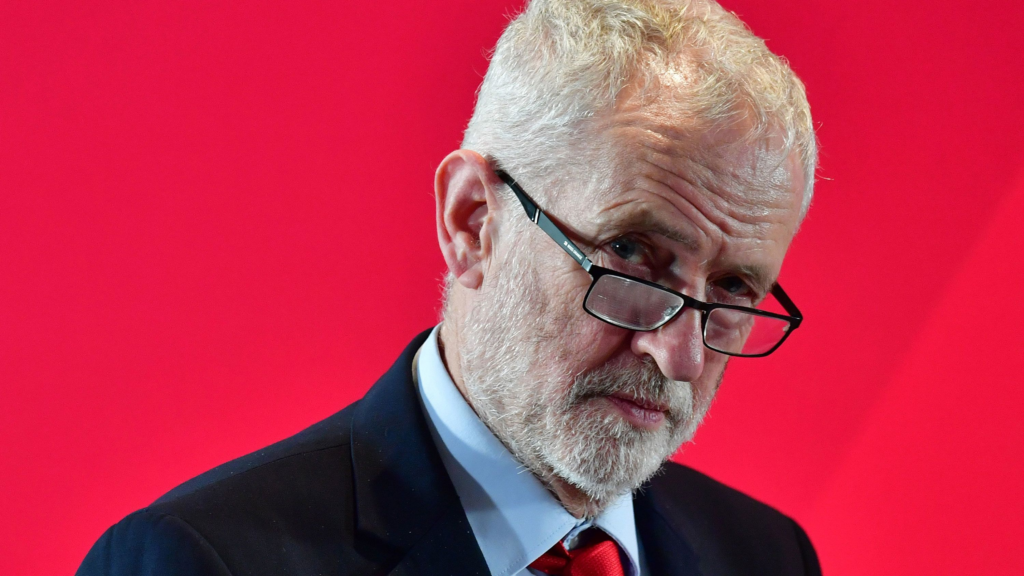
Born into a family of peace activists in 1949, Jeremy Corbyn transformed British politics twice: first as Labour’s most rebellious MP who voted against his own party 428 times, then as the leader who surged from 100/1 outsider to take Labour to 40% of the vote in 2017 before crashing to historic defeat in 2019. Along the way, his team championed one of the decade’s most successful campaigns against gambling harm – the battle to slash Fixed-Odds Betting Terminal (FOBT) stakes from £100 to £2, a policy that became law despite industry spending millions to prevent it. Now sitting as an independent MP after defeating his former party in 2024, Corbyn represents the most dramatic arc in modern British political history: from backbench rebel to near-Prime Minister to independent voice, all while never compromising on principles that cost him everything.
Early Life: Peace Campaigners and Political Awakening
Jeremy Bernard Corbyn was born on May 26, 1949, in Chippenham, Wiltshire, the youngest of four sons. His parents – David Benjamin Corbyn (electrical engineer) and Naomi Loveday Josling (mathematics teacher) – were Labour Party members and committed peace activists who first met at a 1930s committee meeting supporting the Spanish Republic during the Spanish Civil War. This anti-fascist activism permeated the household.
The family lived in Kington St Michael, Wiltshire, until Corbyn was seven, when they moved to Pave Lane, Shropshire. His father purchased Yew Tree Manor, a 17th-century farmhouse once part of the Duke of Sutherland’s Lilleshall estate. The young Corbyn attended Castle House School (an independent preparatory school near Newport, Shropshire) before becoming a day student at Adams Grammar School at age 11.
Even as a teenager, Corbyn demonstrated the activist streak that would define his life. While still at school, he joined the League Against Cruel Sports, the Labour Party Young Socialists, and the leftist youth organization the Woodcraft Folk. He joined the Labour Party at 16 and became active in the Campaign for Nuclear Disarmament (CND), cementing pacifist convictions he holds to this day.
Academic Struggles and Alternative Path
Corbyn was never an academic success. He achieved two E-grade A-levels – the lowest possible passing grade – before leaving school at 18. He briefly attended North London Polytechnic (now London Metropolitan University) to study trade union studies but left without completing his degree, reportedly due to disagreements with tutors over the curriculum.
At around age 19, Corbyn spent two years volunteering in Jamaica as a geography teacher. This experience deepened his internationalist outlook and commitment to global solidarity. Returning to the UK, he chose practical political engagement over formal education, working as an official for the National Union of Tailors and Garment Workers, then becoming a trade union organizer for the National Union of Public Employees (NUPE) and the Amalgamated Engineering and Electrical Union.
In 1974, at age 25, Corbyn was elected to Haringey Council in north London, beginning his formal political career. He became Secretary of Hornsey Constituency Labour Party, building the grassroots organizing skills that would later power his leadership campaigns.
The Most Rebellious MP in Modern British History (1983-2015)
In February 1982, Corbyn was selected as Labour candidate for Islington North, winning the final selection ballot by just 39 votes against GLC councillor Paul Boateng (who would later become one of Britain’s first three Black MPs). The 1983 general election saw Corbyn elected to Parliament during Labour’s catastrophic defeat under Michael Foot – the party’s worst performance since 1918.
For the next 32 years, Corbyn established himself as the most consistently rebellious MP in modern British history. Between 1997 and 2010, during the New Labour governments of Tony Blair and Gordon Brown, Corbyn defied the party whip 428 times – more than any other Labour MP. In 2005, he was identified as the second most rebellious Labour MP of all time during the New Labour era, behind only Dennis Skinner.
Activism and Surveillance
Corbyn’s activism extended far beyond Parliament. He was involved in Anti-Fascist Action, the Anti-Apartheid Movement, and chaired the Stop the War Coalition from 2011 to 2015 (for which he received the Gandhi International Peace Award and Seán MacBride Peace Prize). He advocated for a united Ireland, Palestinian statehood, and consistently opposed British military interventions, particularly the Iraq War.
The Metropolitan Police’s Special Branch monitored Corbyn for two decades until the early 2000s, deeming him “a subversive.” According to the Labour Party, “The Security Services kept files on many peace and Labour movement campaigners at the time, including anti-Apartheid activists and trade unionists.”
In the July 1982 edition of Briefing, Corbyn opposed expulsions of the Trotskyist group Militant, stating: “If expulsions are in order for Militant, they should apply to us too.” He was the “provisional convener” of the “Defeat the Witch-Hunt Campaign” at his home address.
Throughout this period, Corbyn never sought and was never offered ministerial office. He remained a backbencher, voting his conscience against policies he believed contradicted socialist principles: tuition fees, foundation hospitals, welfare cuts, the Iraq War, anti-terrorism legislation that eroded civil liberties, and attempts to privatize public services.
The 2015 Miracle: From 100/1 Outsider to Leader
When Ed Miliband resigned as Labour leader following the party’s 2015 general election defeat, few imagined Jeremy Corbyn would succeed him. On June 3, 2015, Corbyn announced his candidacy for leadership. He qualified for the ballot at the last minute, nominated by 36 MPs – the majority of whom did not support him but felt the party should vote on a wider range of candidates.
Bookmakers initially offered 100/1 odds on a Corbyn victory. Political commentators dismissed him as unelectable. Fellow candidates Andy Burnham, Yvette Cooper, and Liz Kendall were all considered more likely winners.
Then something extraordinary happened. Corbyn’s rallies attracted thousands. Social media campaigns using the hashtag #jezwecan spread virally. Young people joined the Labour Party in unprecedented numbers specifically to vote for him. On July 21, YouGov reported that Corbyn had stormed into the lead with 43% of first preference votes. By August 10, polling suggested he would win with 57%.
On September 12, 2015, Jeremy Corbyn was elected Leader of the Labour Party with 59.5% of the vote in the first round – receiving 251,417 votes. The 100/1 outsider had achieved one of the greatest upsets in British political history.
The Establishment Fights Back
Corbyn’s leadership was under siege from day one. Large sections of the Parliamentary Labour Party (PLP) never accepted him. Following Labour’s “disappointing” performance in the June 2016 Brexit referendum (where Corbyn’s lukewarm support for Remain was criticized), Shadow Foreign Secretary Hilary Benn was dismissed after expressing no confidence in Corbyn’s leadership.
More than two dozen Shadow Cabinet members resigned over two days. On June 28, 2016, a no-confidence vote was supported by 172 MPs in the Parliamentary Labour Party, against just 40 supporting Corbyn. The rebels demanded he resign. Corbyn refused.
Owen Smith challenged Corbyn for the leadership. In September 2016, Corbyn won again – this time with 61.8% of the vote and 313,209 votes total, increasing both his vote share and raw vote count. The membership backed him decisively.
The FOBT Campaign: Matt Zarb-Cousin’s Crusade
While Corbyn’s leadership faced internal warfare, his office hired a spokesperson whose personal story would help deliver one of the decade’s most significant gambling reforms: Matt Zarb-Cousin.
From Addiction to Activism
Zarb-Cousin had been addicted to Fixed-Odds Betting Terminals (FOBTs) as a teenager. These machines – dubbed the “crack cocaine of gambling” by critics – allowed players to bet up to £100 every 20 seconds on electronic roulette, blackjack, and other casino games located in high street betting shops. The maximum stake of £100 enabled losses of £18,000 per hour.
Zarb-Cousin’s addiction led him to contemplate suicide. Only intervention from his family saved his life. During recovery, he channeled his energy into politics, eventually landing a full-time role with the Campaign for Fairer Gambling, a not-for-profit group funded by philanthropist Derek Webb. The campaign’s goal: reduce the maximum FOBT stake from £100 to £2.
In April 2017, Zarb-Cousin joined Jeremy Corbyn’s office as a spokesperson. He returned to the Campaign for Fairer Gambling a year later, bringing with him an understanding of how Labour’s machinery could support anti-FOBT campaigning.
Labour’s £2 Stake Pledge
The 2017 Labour manifesto included a commitment to review gambling legislation and reduce FOBT stakes. The manifesto stated: “These highly addictive machines in bookmakers across the country have become a problem for many families and communities.”
Tom Watson, Labour’s deputy leader and Shadow Secretary for Digital, Culture, Media and Sport, became the public face of Labour’s gambling reform campaign. In September 2017, Watson praised Zarb-Cousin’s work at the Labour Party Conference, describing the “hidden epidemic” of gambling addiction as a “critical social policy issue.”
Watson told the conference that 430,000 people suffered from gambling addiction in the UK, with FOBTs generating £1.8 billion annually for bookmakers but devastating vulnerable communities. He called for the £2 stake cap, saying: “In the case of FOBTs it was clear there was a need to place a limit on the stake of a particular product.”
The Industry Fights Back
The Association of British Bookmakers (ABB) fought the reforms aggressively, claiming a £2 stake would lead to “substantial job losses” and shop closures. They spent tens of millions defending the machines, commissioning favorable academic studies and lobbying MPs.
Three MPs – Conservative Philip Davies, Conservative Laurence Robertson, and Labour’s Conor McGinn – defended FOBTs despite receiving over £7,000 in gifts from bookmakers. The Independent revealed these financial ties, prompting questions about their motivations.
Zarb-Cousin was scathing about the ABB’s tactics, telling PR Week the lobbying had become “a war, it’s become very confrontational and adversarial.” He accused the industry of bringing in “friendly academics” and spending massively to “defend the indefensible.”
Victory: The £2 Stake Cap
In May 2018, Conservative Culture Secretary Matt Hancock announced the maximum stake would be reduced to £2. The measure came into force on April 1, 2019 – under the government of Theresa May, not Jeremy Corbyn.
The victory demonstrated that sustained grassroots campaigning, combined with cross-party political will, could overcome powerful industry lobbying. Within a year of implementation:
- People citing FOBTs when presenting for gambling addiction treatment fell 50%
- FOBT revenue dropped 40% with no commensurate increase in other gambling products
- Police call-outs to betting shops fell 38%
Public Health England estimated gambling causes at least one suicide per day in the UK, with gambling-related harm costing the government over £1.2 billion annually. The FOBT reforms saved lives and prevented financial ruin for thousands of vulnerable people.
Labour’s Broader Gambling Vision
In March 2019, Tom Watson outlined Labour’s comprehensive gambling reform agenda at the Institute for Public Policy Research. He proposed:
- Banning loot boxes in video games (which encourage gambling-style behavior in children)
- Capping online gambling stakes to match offline limits
- Mandatory affordability checks before large deposits
- Banning credit card gambling
- Speed limits on online betting to prevent rapid losses
- Stake limits on all products “if the evidence demands it” – potentially including sports betting and horse racing
Watson described the 2005 Gambling Act as “a piece of analogue legislation failing to meet the needs of the digital age.” He called for a new “E category” of gaming regulation for online products, with the same protections applied to physical FOBTs.
The gambling industry expressed alarm. William Hill’s director of corporate communications gave cautious support to “protecting customers” while stopping “well short of endorsing” the specific proposals. The industry knew Labour under Corbyn represented an existential threat to their business model.
2017: The Surge That Shocked Britain
When Theresa May called a snap general election for June 8, 2017, the Conservatives held a 21-point lead in polls. May sought a larger majority to “strengthen her hand” in Brexit negotiations. Political commentators predicted a landslide Conservative victory – possibly gaining 100+ seats – that would crush Labour under Corbyn.
The Campaign
Corbyn’s election campaign ran under the slogan “For the Many, Not the Few” and featured rallies attracting huge crowds. He appeared on stage at the Wirral Live Festival in Prenton Park in front of 20,000 people. Young voters flocked to his rallies. Social media campaigns proved effective, particularly viral videos and organizing tools that outperformed the Conservatives.
The Labour manifesto promised:
- Scrapping university tuition fees
- Nationalizing railways and public utilities
- Addressing public sector pay after years of austerity cuts
- Making housing more affordable
- Providing free school lunches for students
- Ending austerity politics
Initially dismissed as “the longest suicide note in history” (echoing the 1983 manifesto), the policies proved remarkably popular. Corbyn dressed professionally in business suits, participated in televised debates, and proved an energetic campaigner.
Theresa May, by contrast, made catastrophic missteps. Her “dementia tax” social care policy provoked outrage and had to be abandoned. She appeared wooden and robotic, avoiding public interaction. Her campaign slogan – “Strong and Stable Leadership” – became a punchline as she U-turned repeatedly.
The Result: Historic Surge
Labour won 262 seats (a net gain of 30 seats) with 40.0% of the vote – an increase of 9.6 percentage points, the largest single-election increase since 1945. The Conservatives lost their majority despite winning 317 seats, forcing them into a confidence and supply agreement with Northern Ireland’s DUP.
Corbyn’s personal approval ratings surged from -42 in August 2016 to +9 by July 2017. May’s collapsed from historic highs to -26. Within weeks of the election, Labour led the Conservatives in opinion polls.
The result shattered conventional wisdom that Labour could only win from the center-ground. A 68-year-old socialist backbencher, dismissed as unelectable, had led Labour to its highest vote share since 2001 and gained seats for the first time since 1997.
Media outlets that had predicted annihilation were forced to reassess. Corbyn had run a superior campaign, mobilized young voters, and offered a vision of change that resonated with millions exhausted by austerity. The “Corbyn surge” became a case study in how outsider candidates could leverage grassroots enthusiasm to overcome establishment opposition.
The Aftermath
Following the election, Corbynmania reached its peak. Labour membership swelled to over 550,000, making it the largest political party in Western Europe. Momentum, the pro-Corbyn campaign group, became a powerful force within Labour.
However, internal tensions persisted. The leaked 2020 Labour report revealed that some party officials had actively worked against Corbyn’s 2017 campaign, diverting resources to protect allies rather than win marginal seats. Some officials expressed “dismay” when Corbyn performed better than expected.
2019: The Brexit Catastrophe
The period between 2017 and 2019 saw Brexit dominate British politics. Corbyn’s neutral stance – refusing to clearly back Leave or Remain – alienated both sides. In the 2019 European Parliament elections, Labour came third behind the Brexit Party and Liberal Democrats.
When Boris Johnson called a general election for December 12, 2019, polls suggested trouble for Labour. Corbyn’s approval ratings had collapsed. Accusations of failing to tackle antisemitism within Labour dogged the campaign. The party’s Brexit policy – offering a second referendum with Corbyn remaining neutral – satisfied nobody.
The 2019 manifesto was Labour’s most radical in decades: nationalizing energy firms, the National Grid, water companies, Royal Mail, railways, and the broadband arm of BT. The media portrayed it as economically catastrophic.
Disaster
Labour won just 202 seats with 32.1% of the vote – the party’s worst performance since 1935 and a loss of 60 seats. The Conservatives won 365 seats, a majority of 80. Labour lost traditional “Red Wall” seats in the Midlands and North that had voted Labour for generations.
Corbyn himself retained Islington North with 64.3% of the vote and a majority of 26,188 over the Liberal Democrats. But across the country, Labour’s coalition collapsed. According to Lord Ashcroft polling, Corbyn himself was a major factor in the defeat – voters cited concerns about his leadership, Labour’s ambiguous Brexit position, and doubts about whether the manifesto was “deliverable.”
On the night of December 13, 2019, Corbyn announced he would stand down as Labour leader. He said: “I will not lead the party in any future general election campaign” but insisted he had “pride in the manifesto.”
Life After Leadership: Independent Socialist
In April 2020, Keir Starmer won the Labour leadership election and succeeded Corbyn. Within months, tensions erupted over the party’s antisemitism record.
Suspension and Expulsion
In October 2020, the Equality and Human Rights Commission (EHRC) published a damning report on antisemitism within Labour under Corbyn’s leadership. Corbyn responded by stating that antisemitism had been “overstated for political reasons” by his opponents and the media.
Labour immediately suspended Corbyn’s party membership. Although his membership was restored in November 2020 after a disciplinary hearing, Starmer refused to restore the parliamentary whip. Corbyn continued sitting as an independent MP.
In March 2023, Labour’s National Executive Committee voted 22 to 12 to prevent Corbyn from standing as a Labour candidate at the next general election, with no right of appeal.
2024: The Independent Victory
When Rishi Sunak called a general election for July 4, 2024, Corbyn announced on May 24 that he would stand as an independent candidate for Islington North. Labour immediately expelled him from the party.
Labour selected local councillor and entrepreneur Praful Nargund as their candidate. The party threw significant resources at defeating Corbyn, viewing his potential victory as an embarrassment. Tom Watson, Neil Kinnock, Peter Mandelson, Margaret Hodge, and other Labour grandees canvassed in Islington North against their former leader.
Pre-election polls suggested Labour would win. One poll put Nargund 14 points ahead. The Islington Tribune called the race “something we have not seen before in our lives.”
Corbyn’s campaign knocked on over 30,000 doors in five weeks. Local Labour members resigned en masse to support him. The chairperson of Islington North Constituency Labour Party, Alison McGarry, resigned after being spotted campaigning for Corbyn.
On election night, Corbyn won 49.2% of the vote (24,120 votes) with a majority of 7,247 over Labour’s Praful Nargund (34.4%, 16,873 votes). He had represented the constituency for 41 years – it was his 11th consecutive victory.
In his victory speech, Corbyn said: “This result is a glimpse of a different future, which puts the interests of many ahead of those of the few. It is also a warning to the incoming government that dissent cannot be crushed without consequences. That ideas of equality, justice, and peace are eternal.”
Palestine was a major factor in Corbyn’s victory. Gaza featured prominently in the campaign, with Corbyn declaring “Palestine was on the ballot” and promising to “stand up for the Palestinian people.” His victory came alongside four other pro-Palestine independent candidates who defeated Labour across the country.
Political Philosophy: Democratic Socialism in Practice
Corbyn’s political philosophy centers on democratic socialism – the belief that economic and social life must be democratically accountable rather than controlled by private interests. He has described Karl Marx as a “great economist” and cites reading Marx, Adam Smith, and David Ricardo, though journalist George Eaton has called him more “Keynesian” than revolutionary Marxist.
Core Beliefs
Public Ownership: Corbyn believes essential services – healthcare, education, transport, utilities, communications infrastructure – should be publicly owned and democratically controlled.
Anti-Imperialism: A lifelong opponent of British military intervention abroad, Corbyn consistently voted against wars in Iraq, Afghanistan, Libya, and Syria. He chairs the Stop the War Coalition and has received peace prizes for this work.
Social Justice: Corbyn advocates for progressive taxation, living wages, strong trade unions, comprehensive welfare systems, and addressing wealth inequality through redistribution.
Internationalism: His activism spans decades of solidarity with liberation movements worldwide – from Palestine to South Africa to Latin America. Critics accused him of associating with Hamas and Hezbollah (he called them “friends” in 2009, later stating he used the term generically for people he met).
Environmentalism: Corbyn supports a Green New Deal, renewable energy transition, and tackling climate change through public investment rather than market mechanisms.
Leadership Style
Corbyn’s approach to leadership emphasized collective decision-making and grassroots democracy over command-and-control politics. He said change must be “driven from the bottom up, not imposed from the top down.”
This style had strengths – it mobilized unprecedented numbers of activists and members – but also weaknesses. Critics argued he was indecisive, unwilling to discipline problematic members, and too trusting of those around him.
Tables: Career and Electoral Analysis
Table 1: Jeremy Corbyn Timeline – Rebel to Leader to Independent
| Period | Position | Key Events | Significance |
| 1949-1974 | Youth & Activism | Born May 26, 1949, Chippenham; joined Labour age 16; trade union organizer; elected Haringey Council 1974 | Formed lifelong commitment to peace activism, trade unionism, and grassroots organizing |
| 1983-2015 | Backbench MP | Elected Islington North 1983; voted against Labour whip 428 times 1997-2010; most rebellious Labour MP three consecutive parliaments | Established reputation as uncompromising socialist; monitored by Special Branch for 20 years; never sought ministerial office |
| Sep 2015 | Leadership Victory | Won leadership with 59.5% (251,417 votes) from 100/1 outsider to landslide | Largest democratic mandate in Labour history; surged on grassroots enthusiasm and young voters |
| Jun 2016 | No-Confidence Vote | 172 Labour MPs voted no confidence vs 40 supporting; Shadow Cabinet resigned en masse | Survived attempted coup; showed membership backing vs PLP opposition |
| Sep 2016 | Re-elected Leader | Increased vote to 61.8% (313,209 votes) defeating Owen Smith | Strengthened mandate; proved 2015 was not a fluke |
| Jun 2017 | Election Surge | Labour won 40% vote share (+9.6pp), gained 30 seats; Conservatives lost majority | Largest single-election vote increase since 1945; shattered “unelectable” narrative |
| Dec 2019 | Historic Defeat | Labour won 202 seats (-60), 32% vote; worst result since 1935; Red Wall collapsed | Brexit, antisemitism, and doubts about Corbyn’s leadership blamed; announced resignation |
| Oct 2020 | Suspended | Suspended after saying antisemitism “overstated for political reasons”; whip never restored | Beginning of split from Starmer’s Labour |
| Mar 2023 | Blocked Candidacy | Labour NEC voted 22-12 to prevent him standing as Labour candidate | Formal end of relationship with party he led |
| Jul 2024 | Independent Victory | Won Islington North with 49.2% vs Labour’s 34.4%; majority 7,247; expelled from Labour | Defeated Labour machine after 41 years representing constituency |
Table 2: The FOBT Campaign – From £100 to £2 Stakes
| Date | Development | Impact |
| 1999-2005 | FOBTs introduced to high streets; 2005 Gambling Act legitimized B2 machines with £100 maximum stake | Industry generated £1.8bn annually; addiction and social harm increased; betting shop clustering in deprived areas |
| 2012-2017 | Campaign for Fairer Gambling founded by Derek Webb; Matt Zarb-Cousin (former FOBT addict) joins campaign; “crack cocaine of gambling” phrase coined | Grassroots pressure built; local councils (93 led by Newham) demanded £2 cap; Conservative government initially refused |
| Apr 2017-Apr 2018 | Zarb-Cousin becomes Corbyn spokesperson; 2017 Labour manifesto commits to FOBT review and stake reduction | Labour positioned as anti-gambling harm party; Tom Watson leads public campaign |
| Sep 2017 | Labour Party Conference: Watson calls FOBTs “hidden epidemic”; Zarb-Cousin praised for campaigning; 430,000 addicts identified | Issue gains prominence; cross-party momentum builds |
| 2017-2018 | ABB spends tens of millions lobbying; MPs Philip Davies, Laurence Robertson, Conor McGinn defend FOBTs after receiving £7,000+ in industry gifts; “adversarial lobbying battle” escalates | Industry fights desperately; Zarb-Cousin says it became “a war”; transparent corruption exposed |
| May 17, 2018 | Conservative Culture Secretary Matt Hancock announces £2 maximum stake | Victory for campaigners; industry warned of shop closures and job losses |
| April 1, 2019 | £2 stake cap comes into force | Results within 1 year: 50% reduction in FOBT-related addiction treatment presentations; 40% drop in FOBT revenue; 38% reduction in police call-outs to betting shops; lives saved |
| Mar 2019 | Tom Watson unveils comprehensive Labour gambling reform: ban loot boxes, cap online stakes, mandatory affordability checks, ban credit card gambling | Labour proposes most radical gambling reform since 2005; industry alarmed; policies later adopted piecemeal by Conservatives |
Key Insight: The FOBT campaign succeeded despite massive industry opposition because it combined personal testimony (Zarb-Cousin’s addiction story), economic evidence (£1.2bn annual cost to government), cross-party support, and sustained grassroots pressure. Corbyn’s office provided platform and political capital that helped secure victory under a Conservative government.
Table 3: Electoral Performance – 2017 Surge vs 2019 Collapse
| Metric | 2015 (Pre-Corbyn) | 2017 (Corbyn Surge) | 2019 (Corbyn Defeat) | Change 2015-17 | Change 2017-19 |
| Seats Won | 232 | 262 | 202 | +30 | -60 |
| Vote Share | 30.4% | 40.0% | 32.1% | +9.6pp | -7.9pp |
| Total Votes | 9.35m | 12.88m | 10.30m | +3.53m | -2.58m |
| Deposits Lost | 3 | 0 | 8 | -3 | +8 |
| Corbyn Islington North Majority | – | 33,215 (73.6%) | 26,188 (64.3%) | – | -7,027 |
| Largest Vote Increase Since | – | 1945 (+9.6pp) | – | Historic | – |
| Worst Result Since | – | – | 1935 (202 seats) | – | Historic |
| Corbyn Personal Approval (Net) | -42 (Aug 2016) | +9 (Jul 2017) | -38 (Nov 2019) | +51 swing | -47 swing |
| Youth Vote (18-24) | 43% | 62% | 56% | +19pp | -6pp |
| Over-65 Vote | 23% | 23% | 19% | 0 | -4pp |
2017 Analysis: The surge was driven by manifesto popularity (tuition fees, NHS, nationalization), energetic campaigning, May’s disasters, and youth turnout. Labour gained in constituencies Corbyn visited personally. Social media mobilization proved decisive.
2019 Analysis: Brexit neutrality alienated both Leave and Remain voters; antisemitism crisis eroded trust; Corbyn’s approval collapsed from 2017 peak; manifesto seen as too radical/undeliverable; Red Wall seats lost to Conservatives on Brexit and cultural issues; Johnson’s “Get Brexit Done” cut through.
Table 4: Gambling Policy Positions – Labour Under Corbyn vs Conservatives
| Issue | Labour Under Corbyn (2017-2019) | Conservative Policy | Actual Outcome |
| FOBT Maximum Stake | £2 (2017 manifesto commitment) | Initially resisted; then adopted £2 cap May 2018 (implemented April 2019) | £2 cap enacted by Conservatives – Labour pressure forced Conservative hand |
| Online Gambling Stakes | Cap stakes to match offline limits; “if evidence demands it” include sports betting | Review but no action (Boris Johnson launched 2020 review, white paper delayed to 2023 under Sunak) | Partial reforms: £5 online slot stakes for under-25s; mandatory affordability checks from £1,000 losses |
| Credit Card Gambling | Ban all gambling on credit cards | Banned April 2020 (implemented by Conservative government) | Enacted – Cross-party support following Labour pressure |
| Loot Boxes in Video Games | Ban as gambling products requiring UKGC regulation | Classify as gambling; require age verification | Under consideration; not yet enacted as of 2025 |
| Mandatory Affordability Checks | Before large deposits to prevent problem gambling | £1,000 net loss trigger (much higher than Labour proposed) | Partial implementation; industry lobbying weakened requirements |
| Speed Limits on Betting | Introduce time delays between bets to prevent rapid losses | Not implemented | Not enacted |
| Gambling Act Reform | Replace 2005 Act with “digital age” legislation | 2023 Gambling White Paper (delayed 29 months under Johnson/Truss/Sunak) | Partial reform; not comprehensive overhaul Labour proposed |
| Industry Levy | Mandatory levy to fund addiction treatment | Voluntary levy only | Remains voluntary; industry contributes ~£10m annually |
Key Insight: Labour under Corbyn positioned itself as the most anti-gambling harm party in modern British history. Tom Watson’s 2019 proposals – ban loot boxes, cap online stakes, ban credit cards, mandatory affordability checks – were the most radical since the 2005 Gambling Act. The Conservatives eventually adopted some policies (FOBT £2 cap, credit card ban) but watered down others. Industry feared Labour victory would devastate profits.
Table 5: The Independent Campaign – Islington North 2024
| Candidate | Party | Votes | % Share | Swing |
| Jeremy Corbyn | Independent | 24,120 | 49.2% | +49.2% |
| Praful Nargund | Labour | 16,873 | 34.4% | -39.9% |
| Vikas Aggarwal | Conservative | 5,489 | 11.2% | -4.1% |
| Caroline Russell | Green | 1,176 | 2.4% | +2.4% |
| Michael Clifton | Liberal Democrat | 800 | 1.6% | -7.9% |
| Sheridan Kates | Reform UK | 391 | 0.8% | +0.8% |
| Mehmet Yuksel | Workers Party GB | 153 | 0.3% | +0.3% |
Results: Corbyn won by 7,247 majority (14.8% margin) on 67.3% turnout. He overturned his own previous 26,188 Labour majority to win as an independent.
Campaign Factors:
- Door-knocking: Corbyn’s team contacted 30,000+ addresses in 5 weeks
- Local support: Islington North CLP chairperson and dozens of members resigned to support Corbyn
- Labour machine: Watson, Kinnock, Mandelson, Hodge all campaigned against Corbyn
- Gaza factor: Palestine was “on the ballot” – decisive issue for many voters
- Personal vote: Represented constituency for 41 years; known for constituency work
- Labour candidate weakness: Praful Nargund kept low profile, set website to private, avoided hustings
Table 6: Corbyn’s Influence on British Politics
| Area | Influence | Long-term Impact |
| Party Membership | Labour grew to 550,000+ members (largest in Western Europe) under Corbyn | Membership fell to ~400,000 under Starmer but remains higher than pre-2015 |
| Youth Engagement | 2017: 62% of 18-24s voted Labour (vs 43% in 2015); youth turnout increased dramatically | Demonstrated young voters respond to left-wing economics; shaped future Labour strategy |
| Policy Overton Window | Shifted acceptable debate leftward: nationalization, wealth taxes, Green New Deal all mainstream by 2019 | 2023 Daily Telegraph noted most Corbyn tax policies later implemented by Conservatives (corporation tax increase, windfall taxes, higher income tax on wealthy) |
| Anti-Austerity | Made case against austerity economics; both parties increased spending post-2017 | Austerity consensus broken; public spending increased under Johnson/Sunak |
| Momentum Movement | Created Momentum grassroots organization with 40,000+ members | Continues as left faction within Labour; less influential under Starmer |
| Internal Labour Divide | Exposed deep split between membership (pro-Corbyn) and PLP (anti-Corbyn) | Starmer centralized control, purged left; party more disciplined but less democratic |
| Media Scrutiny | Most hostile media coverage of any Labour leader; exposed press bias | Lessons learned about media management but also democratic deficit in UK press |
| Electoral Strategy | Proved left-wing platform can win votes (2017) but also showed limits (2019) | Debate continues over whether 2017 or 2019 is “real” Corbyn verdict |
| Independent Left | 2024: Five pro-Palestine independents won seats (Corbyn, plus four others defeating Labour) | Created precedent for left candidates to win outside Labour; possible new party formation (Corbyn co-founded “The Collective” network) |
Current Status and Future Prospects
As of December 2025, Jeremy Corbyn remains the independent MP for Islington North. At age 76, he continues his activism through the Peace & Justice Project, an organization he founded to promote social justice, environmental action, and international solidarity.
Corbyn has hinted at possible involvement in a new left-wing party formation. In November 2025, Corbyn and fellow independent MP Zarah Sultana announced “Your Party” – a potential new political vehicle for the left. The party’s official name is still being determined through consultation with members.
He maintains a significant following, particularly among young people and those disillusioned with Starmer’s Labour. His YouTube channel “The Corbyn Project” launched in December 2025, providing a platform for his views independent of mainstream media.
Corbyn’s gambling policy legacy lives on. The £2 FOBT stake cap remains in place, saving an estimated 50% of problem gamblers from these machines. However, online gambling continues to grow largely unregulated. The comprehensive reforms proposed by Tom Watson in 2019 have not been implemented, and the industry has successfully lobbied against stricter affordability checks.
Under Keir Starmer’s Labour government (which won a landslide in 2024), gambling reform has taken a back seat to other priorities. Some Labour MPs and campaigners argue the party should return to Corbyn-era ambitions for comprehensive gambling regulation, but Starmer has shown little appetite for radical intervention.
Conclusion: The Rebel’s Legacy
Jeremy Corbyn’s political career defies easy categorization. He spent 32 years as a rebellious backbencher, voting against his own party’s government 428 times because he believed principles mattered more than career advancement. Against all odds, he won the Labour leadership and led the party to its largest vote increase in 72 years. Then, just two years later, he presided over Labour’s worst defeat since 1935.
Throughout this extraordinary arc, Corbyn never compromised. He opposed wars, stood with Palestine, supported trade unions, advocated for the poor and vulnerable, and gave a platform to campaigns against gambling harm that successfully reduced FOBT stakes from £100 to £2. He inspired hundreds of thousands to join Labour and transformed British political discourse, making left-wing policies mainstream again.
But he also failed to tackle antisemitism adequately, alienated large sections of his own parliamentary party, and proved unable to navigate Brexit’s political minefield. His leadership ended in catastrophic defeat, and he now sits outside the party he once led.
In July 2024, defeating the Labour machine to retain his seat as an independent MP, Corbyn demonstrated that his appeal transcends party labels. His victory speech captured his worldview: “This result is a glimpse of a different future, which puts the interests of many ahead of those of the few.”
Whether history judges him as a principled champion of social justice who nearly became Prime Minister, or as an idealist whose inflexibility led to electoral catastrophe, Jeremy Corbyn has left an indelible mark on British politics. The socialist rebel who never sought power became the most consequential Labour leader since Tony Blair – not because he won elections, but because he changed what was possible to imagine.
For those interested in understanding UK political betting culture, Corbyn’s journey from 100/1 outsider to Labour leader demonstrates how conventional political wisdom can be dramatically wrong. His FOBT campaign shows how politicians can champion gambling white paper reform even when industry lobbyists spend millions in opposition. And his 2024 independent victory proves that in British politics, as in gambling, the house doesn’t always win.
See Also:
- How to Become a Political Consultant UK – Learn about working in political campaigning
- Political Journalists UK – Media figures who covered Corbyn’s career
- Offshore Betting Guide – Understanding gambling regulation
- Curacao Betting Sites – International gambling perspectives
External Sources:
- Jeremy Corbyn – Wikipedia
- Labour Party Leadership of Jeremy Corbyn – Wikipedia
- Fixed Odds Betting Terminal – House of Commons Library