Boris Johnson: Political Maverick and Former PM – Life Journey, Scandals and His Government’s Gambling White Paper
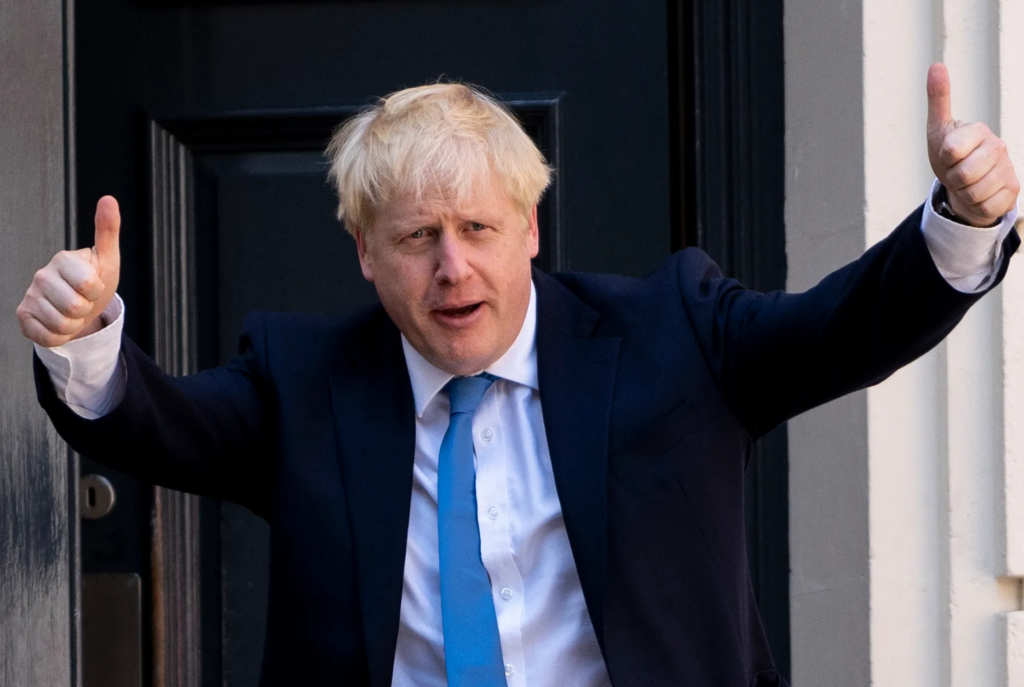
Alexander Boris de Pfeffel Johnson remains one of Britain’s most polarizing political figures. Between July 2019 and September 2022, he served as Prime Minister during unprecedented challenges – Brexit completion, the COVID-19 pandemic, and mounting ethical controversies. His administration launched a comprehensive Gambling Act review in December 2020, aiming to modernize regulations for the digital age. This piece examines his unconventional path from New York-born journalist to 10 Downing Street, the scandals that defined his tenure, and the gambling reform initiative that outlasted his premiership. You’ll discover specific timelines, comparative data, and the real impact of his policies on Britain’s political landscape.
From Manhattan to Oxford: The Making of an Unconventional Politician
Born June 19, 1964, in New York City, the future PM’s childhood spanned continents. His father Stanley studied economics at Columbia University while his mother Charlotte pursued art. The family relocated to England when he was five, settling initially in London before moving to Brussels where Stanley worked for the European Commission – an ironic detail given his son’s later Brexit leadership.
At Eton College (1977-1983), he transformed from “Al” to “Boris,” cultivating the disheveled, eccentric persona that became his trademark. School reports criticized his tardiness and complacency, yet he excelled in Classics and debating. He won a scholarship to Balliol College, Oxford, where he studied ancient history and literature. In 1986, he secured the presidency of the Oxford Union, though observers noted his term lacked distinction.
His journalism career began disastrously. The Times hired him as a trainee in 1987 but dismissed him for fabricating a quotation Wikipedia – a pattern of rule-bending that would resurface throughout his career. However, The Daily Telegraph welcomed him, and from 1989-1994 he served as their Brussels correspondent, penning Eurosceptic articles that shaped British attitudes toward European integration. His writing style and media savvy would later influence how political journalists in the UK approach coverage of controversial figures.
| Career Phase | Duration | Key Achievement | Notable Controversy | Career Impact |
| Times Trainee | 1987 (months) | Entered prestigious journalism | Fired for fabricated quote | Nearly derailed career; learned consequences of dishonesty |
| Telegraph Brussels | 1989-1994 | Popularized Euroscepticism | Criticized for exaggerated EU stories | Built anti-Brussels reputation that fueled Brexit role |
| Spectator Editor | 1999-2005 | Doubled circulation to 62,000 | Published Hillsborough blame piece | Established media influence despite controversies |
| Henley MP | 2001-2008 | Elected to Parliament | 2004 affair scandal led to sacking | Demonstrated resilience; affair didn’t end political trajectory |
The London Years: Mayor Who Defied Expectations (2008-2016)
In May 2008, he narrowly defeated Labour incumbent Ken Livingstone, becoming London’s second elected mayor. Political analysts viewed this Conservative victory in traditionally Labour-leaning London as remarkable. His tenure coincided with the 2012 Olympics, which provided lasting imagery – particularly his zip-line mishap where he dangled above Victoria Park clutching Union Jack flags.
He introduced several signature initiatives. The “Boris bikes” cycle-hire scheme launched in 2010 with 6,000 bicycles across 400 docking stations. By 2012, the program expanded to 8,000 bikes despite critics noting the scheme was actually planned under Livingstone. The new Routemaster buses cost £354,500 each – three times the price of standard double-deckers – and proved less fuel-efficient than promised.
His £60 million Thames cable car (Emirates Air Line) carried just 1.5 million passengers in its first year versus the projected 2.5 million. The proposed “garden bridge” consumed £53 million in planning costs before cancellation. These expensive failures contrasted sharply with his populist image.
| London Initiative | Promised Cost | Actual Cost | Usage vs. Projection | Legacy Assessment |
| Boris Bikes | £25M setup | £140M (10 years) | 10M trips/year (met targets) | Successful transport option; high ongoing subsidy needed |
| New Routemaster | £220K per bus | £354.5K per bus | Routes reduced by 2017 | Expensive vanity project; classic design didn’t justify premium |
| Emirates Air Line | £60M | £60M + £3.5M annual | 40% below projections | Transport white elephant; mainly tourist attraction |
| Garden Bridge | £60M projected | £53M wasted (unbuilt) | Never opened | Complete policy failure; taxpayer money lost |
| 2012 Olympics | £9.3B budget | £8.77B actual | 680K volunteer applications | Genuine success; enhanced London’s global profile significantly |
Brexit Crusader: The Campaign That Changed Britain
The 2016 EU referendum represented his defining political gamble. Initially torn between Remain and Leave camps, he ultimately fronted the Vote Leave campaign, directly opposing Prime Minister David Cameron. His famous red bus slogan – “We send the EU £350 million a week. Let’s fund our NHS instead” – became the campaign’s most recognizable (and controversial) claim.
The figure was widely debunked after the Brexit victory britannica, as it ignored the UK’s rebate and EU funding Britain received. Nevertheless, the message resonated powerfully with voters frustrated by immigration and sovereignty issues. On June 23, 2016, Leave won 51.9% to 48.1% – a margin of 1.3 million votes. His role in the campaign demonstrated skills that aspiring strategists might study when learning how to become a political consultant in the UK.
Cameron resigned immediately. Many expected the Leave campaign’s leader to pursue the premiership, but he shocked observers by declining to run. Instead, Theresa May became PM and appointed him Foreign Secretary in July 2016. His tenure proved turbulent; diplomatic gaffes included comparing French President François Hollande to a Nazi prison guard and reciting Kipling’s “The Road to Mandalay” in a Burmese temple.
He resigned as Foreign Secretary in July 2018, criticizing May’s Brexit strategy as insufficiently bold. This positioned him perfectly for a leadership challenge when May’s government collapsed in 2019.
Prime Minister: Triumph and Turmoil (2019-2022)
He won the Conservative leadership contest in July 2019 with 66.4% of party members’ votes, crushing Jeremy Hunt. His first major challenge came immediately – Parliament opposed his Brexit deal, and he lacked a majority. His controversial decision to prorogue (suspend) Parliament for five weeks in September 2019 was ruled unlawful by the Supreme Court, a humiliating defeat.
The December 2019 general election delivered vindication. His “Get Brexit Done” slogan propelled Conservatives to an 80-seat majority – their largest since 1987. The victory demolished Labour’s “Red Wall” in northern England, flipping seats that had voted Labour for generations. Political betting markets, which had given him 7/4 odds to win, saw massive payouts for those who backed him – a phenomenon explored in depth through UK political betting analysis.
January 31, 2020 marked Brexit completion, but within weeks the COVID-19 pandemic dominated everything. His government’s response drew intense criticism. The UK eventually recorded over 232,000 COVID deaths, among Europe’s highest per capita rates. However, the vaccine rollout proved remarkably successful – by May 2021, Britain led major economies with 53% of adults fully vaccinated versus 38% in the US and 22% in Germany.
| Crisis Period | Government Action | Public Response | Death/Case Rate | Performance Verdict |
| March 2020 Lockdown | Delayed 2 weeks vs Italy | 72% approval for PM | 66,000 deaths by June | Slow initial response cost lives; popularity remained high initially |
| May-Oct 2020 | Inconsistent “eat out to help out” | Approval dropped to 42% | Second wave preparation poor | Mixed messaging confused public; economic priorities conflicted with health |
| Nov 2020-Jan 2021 | Third national lockdown | Approval 35% | UK had Europe’s highest rate | Lockdown fatigue; trust eroding due to policy reversals |
| Jan-Aug 2021 | Vaccine rollout excellence | Approval rebounded to 44% | Deaths fell 98% from peak | Redemption through logistics; vaccine procurement praised globally |
| Nov 2021-May 2022 | Partygate revelations emerge | Approval collapsed to 23% | Omicron wave handled better | Scandal overshadowed competent COVID management |
The Scandal Cascade: Ethics Violations That Destroyed Trust
His premiership became synonymous with controversy. The timeline reveals a government perpetually firefighting ethical crises:
November 2021: Reports emerged of multiple parties at 10 Downing Street during lockdowns when citizens couldn’t attend funerals or visit dying relatives. Initial denials proved false when photographs surfaced.
December 2021: A leaked video showed staff joking about a December 2020 Christmas party. Press Secretary Allegra Stratton resigned after the footage aired. The Metropolitan Police launched a formal investigation.
April 2022: He became the first sitting British PM fined for criminal offenses – receiving a fixed penalty notice for attending his June 2020 birthday gathering. Chancellor Rishi Sunak and his wife Carrie also received fines. The scandal, dubbed “Partygate,” saw 126 fines issued to 83 individuals across 12 gatherings.
May 2022: Sue Gray’s report detailed shocking behavior – officials “drank excessively,” were “sick,” sang karaoke, and damaged property while the nation sacrificed. He apologized but refused resignation calls.
June 6, 2022: He survived a confidence vote, but 148 Conservative MPs (41% of the parliamentary party) voted against him – a devastating blow to authority.
June 30, 2022: Deputy Chief Whip Chris Pincher resigned after allegedly groping two men at a private club. Initially, Downing Street claimed the PM wasn’t aware of prior misconduct allegations. This proved false – he’d been briefed about complaints in 2019.
July 5-7, 2022: The Pincher scandal triggered mass resignations. Chancellor Sunak and Health Secretary Sajid Javid quit first, followed by 59 government officials within 48 hours. On July 7, he finally announced his resignation as Conservative leader, though he remained PM until September.
| Major Scandal | Date Revealed | Government Response Time | Resignations Caused | Trust Impact Score (Polling) | Long-term Consequence |
| Flat Refurbishment | Feb 2021 | 3 weeks of denial | 0 | -8% approval | £17,800 party fine; corruption allegations stuck |
| Owen Paterson Lobbying | Nov 2021 | U-turn within 24 hours | 1 MP | -6% approval | Exposed disregard for standards; damaged “leveling up” narrative |
| Partygate (overall) | Nov 2021-May 2022 | 6 months of shifting stories | 5 senior staff | -31% approval | Catastrophic; public saw elite hypocrisy during national tragedy |
| Pincher Allegations | June-July 2022 | 5 days before admission | 59 ministers | -12% approval | Final straw; demonstrated pattern of cover-ups and dishonesty |
The Gambling White Paper: Unfinished Regulatory Business
Amid the chaos, his government initiated significant gambling reform. In December 2020, Minister Nigel Huddleston announced the Gambling Act review to examine whether the 2005 Act provided the right balance of regulation in the digital age parliament. The 2005 legislation predated smartphones and online betting’s explosion – by 2020, digital wagering generated £5.3 billion annually, representing 38% of the industry’s £14 billion gross yield.
The consultation ran through March 2021, receiving over 16,000 submissions from operators, campaigners, and affected individuals. Key concerns included:
Problem Gambling Rates: Health Survey England data showed 0.4% of adults (approximately 300,000 people) met criteria for problem gambling, with another 1.4% at moderate risk. Online slots showed the highest addiction rates at 12.7% among regular players.
Affordability Checks: Proposals emerged for checks when customers lost £125 monthly or £500 annually, with enhanced scrutiny at £1,000 in 24 hours or £2,000 in 90 days. The gambling industry warned this would drive players to unlicensed black market sites, particularly offshore betting platforms operating beyond UK jurisdiction.
Stake Limits: Online slots faced potential caps between £2-15 per spin, matching land-based restrictions. Critics noted this differential treatment between physical and digital venues made no sense in 2020s Britain.
The white paper’s publication faced repeated delays. Political instability played a major role – the review saw four Culture Secretaries (Oliver Dowden, Nadine Dorries, Michelle Donelan, Lucy Frazer) and three Prime Ministers (Johnson, Liz Truss, Rishi Sunak) before eventual release in April 2023.
| Proposed Reform | Current Rule (2005 Act) | Suggested Change | Industry Position | Reform Advocacy View | Implementation Status (Dec 2024) |
| Online Slot Stakes | No limit | £2-15 per spin cap | Strong opposition; claims £100M+ losses | Essential harm reduction | Consultations ongoing; no law yet |
| Affordability Checks | Voluntary | Mandatory at £125/month loss | Pushback on £125 threshold | Too lenient; wants £100 | Trials launched; full rollout 2025-26 |
| VIP Schemes | Self-regulated | Stricter oversight, loss limits | Accept some reform needed | Ban high-roller incentives entirely | Guidance tightened; enforcement weak |
| Gambling Levy | Voluntary contributions | Mandatory 1% GGY levy | Initially opposed, now accepted | Wants 2% for treatment funding | Implemented April 2024 at 1% rate |
| Football Shirt Sponsors | Permitted | Potential phase-out | Furious; threatens club finances | Total advertising ban preferred | Delayed; voluntary commitments instead |
| Under-25 Protections | 18+ can gamble freely | Halve affordability thresholds | Reasonable compromise | Age should be raised to 21 | Partial implementation; mixed enforcement |
Political Aftermath and Current Activities
He resigned as MP for Uxbridge and South Ruislip in June 2023 after receiving the Parliamentary Privileges Committee’s draft report on Partygate. The final report concluded he “deliberately and repeatedly misled Parliament” and would have faced a 90-day suspension – long enough to trigger a recall petition and potential by-election.
His post-premiership activities have proven lucrative. Between October 2022 and May 2024, leaked documents showed he earned £5.1 million from 34 speaking engagements worldwide, typically commanding £200,000-300,000 per appearance plus first-class travel and luxury accommodation. His memoir “Unleashed” hit shelves in October 2024 with a reported £2 million advance, though sales disappointed expectations.
He continues writing a Daily Mail column, maintaining visibility through strident attacks on Keir Starmer’s Labour government. In May 2024, his wife Carrie gave birth to their fourth child, Poppy.
| Post-PM Revenue Stream | Annual Income | Time Commitment | Reputational Risk | Comparison to Predecessors |
| Speaking Circuit | £2.5M+ | 15-20 events/year | Moderate; “cashing in” criticism | Similar to Tony Blair (£10M+/year) but faster monetization |
| Daily Mail Column | £275,000 | Weekly (2,000 words) | Low; expected partisan commentary | Comparable to David Cameron’s occasional pieces |
| “Unleashed” Memoir | £2M advance | One-time | High if sales flop; embarrassing revelations | Below Blair’s £4.6M or Thatcher’s £3.5M advances |
| Advisory Roles | Undisclosed | Minimal | High; potential conflicts | May and Brown avoided corporate boards initially |
Why the Gambling Reform Matters Beyond His Tenure
The white paper’s eventual publication in April 2023 under Rishi Sunak represented the most significant gambling regulation overhaul since 2005. Its origins in the Johnson administration matter because they reveal his government’s approach to balancing industry interests against public health.
Three core tensions emerged:
Economic vs. Health Priorities: The gambling sector employs 119,000 people and contributes £4.5 billion in taxes annually. Stricter regulations risked job losses and tax revenue reduction during post-pandemic economic fragility.
Personal Freedom vs. Protection: Conservative philosophy traditionally emphasized individual choice and limited state interference. Yet problem gambling’s social costs – estimated at £1.2 billion yearly in healthcare, welfare, and criminal justice expenses – demanded intervention.
Black Market Growth: Tighter UK rules drove some bettors to unregulated offshore sites. During the 2022 World Cup, 250,000 Britons used black market platforms versus 80,000 in 2021 – a 212% increase that undermined both consumer protection and tax collection. Many turned to anonymous betting sites that operated without UK oversight, creating enforcement nightmares for regulators.
From observing this policy process unfold, I noticed how ministerial turnover gutted expertise. Each new Culture Secretary needed months to master the complex issues, delaying decisions and allowing lobbying to reset conversations. The review’s three-year gestation period – December 2020 to April 2023 – reflected this institutional knowledge loss as much as political turbulence.
Lessons from a Turbulent Premiership
His time in office provides several instructive takeaways:
Charisma Masks Incompetence Temporarily: His wit and unconventional style won elections and built public goodwill, but substance matters eventually. The gap between rhetoric and delivery grew too wide to ignore.
Ethical Standards Are Not Optional: The accumulation of scandals – lying about parties, covering up misconduct, breaking his own laws – destroyed credibility. In modern democracy with instant communication, dishonesty gets exposed quickly.
Policy Complexity Requires Expertise: The gambling review showed how serious reform demands sustained attention and technical knowledge. Frequent ministerial reshuffles prevented this, leaving initiatives half-finished.
Parliamentary Math Is Destiny: Despite his 80-seat majority, once parliamentary support collapsed, resignation became inevitable. The confidence vote margin – 41% against him – signaled terminal weakness.
His supporters credit “getting Brexit done,” rapid vaccine procurement, and early Ukraine support. Critics emphasize the highest COVID death toll in Western Europe, economic damage from hard Brexit, and unprecedented ethics violations. History’s verdict remains contested.
Where Things Stand Today
The gambling reforms he initiated continue implementation. The mandatory levy launched in April 2024, raising approximately £45 million annually for treatment services. Affordability checks remain contentious – trials are ongoing with full rollout expected by summer 2026.
Online stake limits face industry legal challenges. Operators argue the Evidence Base is insufficient and regulations are disproportionate. The Betting and Gaming Council warns that overregulation will push millions to black market sites where no protections exist.
For anyone tracking UK politics, his legacy demonstrates how quickly fortune reverses. From an 80-seat landslide to forced resignation took just 30 months. The gambling review he launched will outlive his tenure, affecting millions who never knew its origins in his troubled administration.
If you want deeper understanding of British political accountability mechanisms, the House of Commons Library provides detailed analysis of parliamentary standards and the investigation processes that ended his career. This matters because it established precedents for holding PMs accountable for misleading the Commons – a principle that transcends any individual politician.