Rachel Reeves: Britain’s First Female Chancellor – Economic Background, Budget Strategy and Plans for Gambling Duty Increases
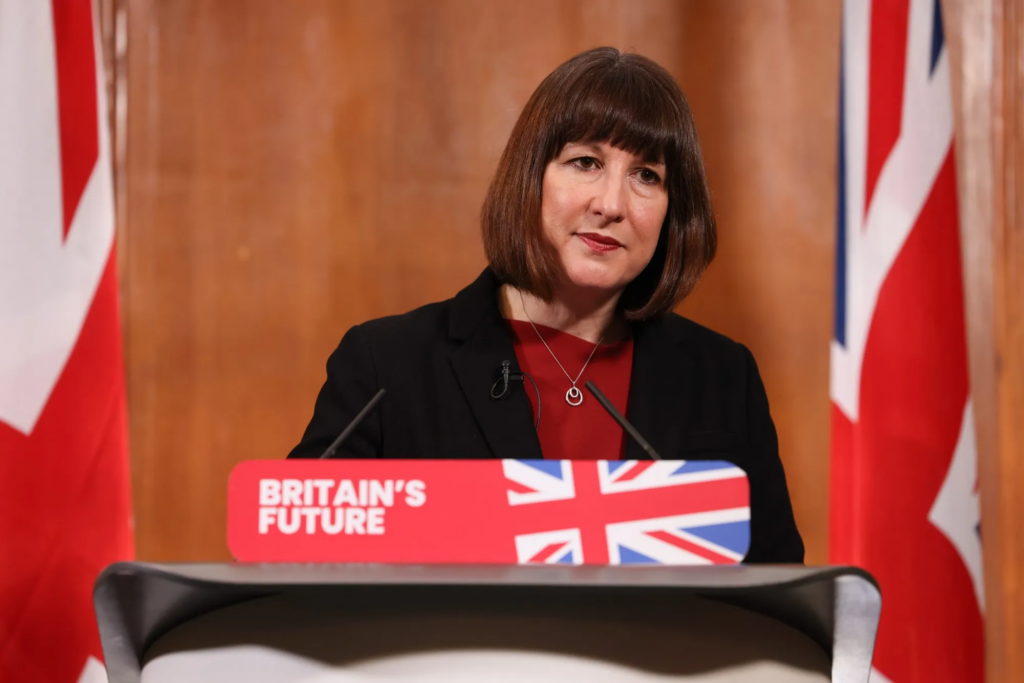
On November 26, 2025, Rachel Reeves stood at the dispatch box in the House of Commons and announced the largest gambling tax increase in UK history. Remote gaming duty would nearly double from 21% to 40%. Online betting tax would jump from 15% to 25%. The measures would generate £1.1 billion annually by 2031. Share prices for Entain and Evoke immediately plummeted 14-19%. The gambling industry called it “punitive” and “reckless.” Gordon Brown, the former Prime Minister who’d lobbied for even higher 50% rates, got most of what he wanted. And Reeves – Britain’s first female Chancellor in 800 years, the chess prodigy from Lewisham who’d spent a decade climbing from Bank of England graduate to Treasury chief – delivered it all with calm technocratic precision. No apologies. No hesitation. Just numbers, fiscal rules, and a simple justification: “Remote gaming is associated with the highest levels of harm.” This wasn’t Sadiq Khan dithering over £663,640 in TfL advertising revenue. This wasn’t Angela Rayner’s vague manifesto promises about “working with industry.” This was a female Chancellor with economist credentials hitting a £14 billion industry where it hurt – profits – and daring them to fight back.
The Lewisham Beginning – Teachers’ Daughter, Chess Champion, Oxford PPE
Born February 13, 1979, in Lewisham, South London, Rachel Jane Reeves entered a Britain still adjusting to Margaret Thatcher’s economic revolution. Her parents – both primary school teachers – instilled education and social justice values from childhood. The family wasn’t wealthy, but books filled the house. Academic achievement mattered. Hard work paid off.
Reeves attended Cator Park School for Girls, where her mathematical and analytical talents emerged early. By age 14, she’d become British Under-14 Girls Chess Champion – a detail that would later define media coverage of her political career. Chess prodigies possess specific cognitive traits: pattern recognition, strategic thinking multiple moves ahead, cold calculation of probability under pressure. These same skills translate directly to economics and fiscal policy.
At 18, Reeves won a place at New College, Oxford University, reading Philosophy, Politics, and Economics (PPE) – the degree that produces British Prime Ministers, Chancellors, and senior civil servants. She graduated in 2000 with a 2:1 Bachelor of Arts. The PPE curriculum combines economic theory, political philosophy, and statistical analysis – perfect training for someone planning to run Britain’s economy.
Not content with just Oxford credentials, Reeves immediately enrolled at the London School of Economics for a Master’s degree in Economics. LSE is where you go for serious economic theory – not undergraduate tutorials but hard quantitative analysis, econometrics, advanced macro and microeconomics. Her MSc thesis focused on analyzing economic data with rigor most politicians never develop.
Table: Rachel Reeves Education and Early Career Timeline
| Year | Age | Achievement | Significance | Skills Developed |
| 1979 | 0 | Born February 13, Lewisham; parents both primary school teachers | Middle-class professional family background | Foundation in education values, social mobility through merit |
| 1993 | 14 | British Under-14 Girls Chess Champion | National-level competitive achievement | Strategic thinking, pattern recognition, pressure performance, calculating moves ahead |
| 1997-2000 | 18-21 | New College, Oxford – PPE degree (2:1 BA) | Elite university education in policy-maker degree | Economic theory, political philosophy, statistical analysis, elite networking |
| 2000-2001 | 21-22 | London School of Economics – MSc Economics | Advanced economic specialization | Econometrics, quantitative modeling, academic rigor, technical expertise |
| Sept 2000 | 21 | Joined Bank of England graduate scheme | First professional role at central bank | Monetary policy, financial markets, economic forecasting, institutional knowledge |
| 2000-2002 | 21-23 | International Economic Analysis division, Bank of England | Analyzing global economic trends | Cross-country comparisons, international finance, macroeconomic forecasting |
| 2002-2003 | 23-24 | British Embassy Washington DC, Second Secretary Economic division | Diplomatic posting during Iraq War era | International relations, US-UK economic cooperation, working across governments |
| 2004-2006 | 25-27 | Structural Economic Analysis division, Bank of England | Deep economic research | Long-term structural trends, productivity analysis, economic modeling |
| 2006 | 27 | Moved to Leeds; HBOS retail banking role (customer complaints/mortgage retention) | Private sector financial services | Customer relations, mortgage markets, banking operations – though later controversy about job title |
| 2010 | 31 | Elected MP for Leeds West (from all-women shortlist) | Entered Parliament after two failed attempts (2005, 2009) | Constituency work, parliamentary procedures, political campaigning |
Career Controversy Note: In 2025, BBC News reported Reeves’ LinkedIn CV contained inaccuracies. She claimed “a decade” at Bank of England in 2021 interview, but LinkedIn showed only six years (2000-2006), including one year doing LSE Masters. BBC discovered she left Bank by March 2006, not December 2006 as claimed. At HBOS, she initially described herself as “economist,” later changed to “Retail Banking” after criticism. The Times reported her actual role was “running customer relations department dealing with complaints and mortgage retention” – far less prestigious than “economist.” These CV embellishments became ammunition for critics questioning whether her economic expertise was overstated.
The Economist Credentials – Real or Exaggerated?
This is crucial context for understanding Reeves’ authority as Chancellor. She markets herself as “economist” – someone with technical economic expertise politicians typically lack. Her supporters point to Oxford PPE, LSE Masters, and Bank of England experience. Her critics note she was a graduate scheme member doing junior analysis work, got Washington DC posting more for diplomatic experience than economic importance, and left central banking at 27 for retail banking complaints department.
The truth lies somewhere between. Reeves has genuine economic training – PPE and MSc Economics represent serious academic study. Her Bank of England roles involved real economic analysis, not just administrative work. But she never published academic research, never held senior economist positions, and spent only six years in economic roles before politics. Calling herself “economist” stretches credibility compared to, say, actual academic economists or 20-year Bank of England veterans.
This matters because Reeves’ entire political brand rests on technical competence. She’s not a firebrand socialist like Angela Rayner or a working-class champion like Sadiq Khan. She’s the serious economist who understands fiscal rules, bond markets, and growth strategies. If that expertise is thinner than advertised, her authority diminishes.
The gambling tax increase showcases this tension. Reeves justified it with cold economic logic – “remote gaming associated with highest levels of harm” – positioning herself as evidence-driven policymaker. But critics note she provided no cost-benefit analysis of whether £1.1bn revenue justifies potential job losses, business closures, or black market growth. A true economist would model these trade-offs. Reeves simply asserted the policy was correct.
The Parliamentary Rise – Three Attempts, Shadow Cabinet, Starmer’s Right Hand
Reeves joined Labour at 16, campaigning for Tony Blair’s 1997 landslide victory. Her political ambitions emerged early. In 2005, she stood as “paper candidate” (someone with no expectation of winning) in Bromley and Chislehurst – a safe Conservative seat she lost badly. In 2009, she contested Leeds North East at a by-election and lost again.
Finally, in 2010, selected from an all-women shortlist, Reeves won Leeds West with 16,056 votes (41.6% share) in the general election that brought David Cameron’s Conservative-Liberal Democrat coalition to power. She entered Parliament at 31 as Labour faced opposition after 13 years in government.
Ed Miliband, the new Labour leader, appointed Reeves Shadow Pensions Minister in October 2010 – immediate frontbench role recognizing her economic background. She held various shadow positions 2010-2015:
- Shadow Pensions Minister (2010-2011)
- Shadow Chief Secretary to the Treasury (2011-2013)
- Shadow Work and Pensions Secretary (2013-2015)
When Labour lost the 2015 election, Jeremy Corbyn became leader. Reeves – firmly on Labour’s right wing – refused shadow cabinet positions under Corbyn. Instead, she chaired the Business, Energy and Industrial Strategy Committee (2017-2020), building expertise on industrial policy while Corbyn’s left-wing leadership struggled.
The Starmer Appointment – From Shadow Chancellor to History
In April 2020, Keir Starmer defeated Rebecca Long-Bailey and Lisa Nandy for Labour leadership. Starmer represented Labour’s centrist wing after Corbyn’s disastrous 2019 election (Labour’s worst result since 1935). He appointed Reeves Shadow Chancellor of the Duchy of Lancaster in his first shadow cabinet.
One year later, May 2021, Starmer promoted Reeves to Shadow Chancellor of the Exchequer – the most important economic position in opposition. This made her Starmer’s right-hand on economic policy for three years before Labour’s 2024 election victory.
As Shadow Chancellor, Reeves developed her signature economic philosophy: “Securonomics” – modern supply-side economics focusing on:
- Economic stability and fiscal discipline
- Strategic state investment in green energy, infrastructure, skills
- Higher productivity through labor supply improvements
- Reducing inequality while growing the economy
- Inspired heavily by Joe Biden’s Inflation Reduction Act
This wasn’t Corbyn-style socialism (nationalizing everything, massive public spending). This was centrist economics – balanced budgets, private sector-led growth, targeted government intervention. Critics on Labour’s left called it “Tory-lite.” Reeves called it responsible governance.
The July 4, 2024 general election delivered Labour’s landslide: 411 seats, 174-seat majority. On July 5, 2024, Prime Minister Keir Starmer appointed Rachel Reeves Chancellor of the Exchequer. She became the first woman to hold the office in its 800-year history (actually 708 years since formal title of “Chancellor of the Exchequer” dates to 1316, but functionally managing royal finances goes back further).
Table: Rachel Reeves Parliamentary Career – Opposition to Government
| Period | Age | Role | Key Responsibilities | What This Taught Her |
| 2010-2011 | 31-32 | Shadow Pensions Minister under Ed Miliband | Develop opposition policy on state pensions, private pensions, pension poverty | Retirement economics, actuarial analysis, long-term fiscal commitments |
| 2011-2013 | 32-34 | Shadow Chief Secretary to the Treasury | Challenge government spending, develop alternative budget positions | Detailed understanding of public finance, spending control, fiscal strategy |
| 2013-2015 | 34-36 | Shadow Work and Pensions Secretary | Oppose Conservative welfare reforms, develop Labour welfare policy | Benefits system, work incentives, poverty reduction, politically toxic territory |
| 2015-2017 | 36-38 | Backbencher during Corbyn’s first leadership | No frontbench role – refused to serve under Corbyn; focused on constituency | Political patience, building expertise outside spotlight, waiting out Corbyn era |
| 2017-2020 | 38-41 | Chair, Business Energy & Industrial Strategy Committee | Scrutinize government policy, produce reports, build cross-party consensus | Industrial policy, energy strategy, committee leadership, evidence-based policy |
| 2020-2021 | 41-42 | Shadow Chancellor of Duchy of Lancaster under Starmer | Coordinate opposition strategy, challenge government on COVID response | Crisis management, coordinating shadow cabinet, strategic opposition |
| 2021-2024 | 42-45 | Shadow Chancellor of the Exchequer | Develop Labour’s economic plan, challenge Tory budgets, build credibility with business | Comprehensive economic policy, fiscal rules, bond market psychology, City of London relations |
| July 2024-present | 45-46 | Chancellor of the Exchequer in Starmer government | Control £1.2 trillion budget, set tax/spending, manage UK economy, deliver budgets | Actual power vs opposition, trade-offs between promises and reality, bond market constraints |
Pattern Analysis: Reeves’ career shows consistent upward progression through economic roles. Unlike Angela Rayner (union organizer) or Sadiq Khan (human rights lawyer), Reeves specialized exclusively in economic policy. Every role prepared her for Treasury. The Corbyn years (2015-2020) could have destroyed her career – senior Labour figures who refused his shadow cabinet often got sidelined. Reeves used the time strategically, chairing select committee and waiting for Corbyn’s inevitable defeat. When Starmer won, she was positioned perfectly as experienced economist untainted by Corbyn association.
The First Budget – October 2024, £40bn Tax Rises, Bond Market Panic
Reeves delivered her first budget as Chancellor on October 30, 2024 – less than four months after taking office. She announced:
- £40 billion in tax increases (largest tax rise since 1993)
- Employer National Insurance contributions increase from 13.8% to 15%
- Capital gains tax increase from 20% to 24% (higher rate)
- Private school VAT imposition
- Non-dom tax status abolition
- Inheritance tax on agricultural land and pensions
- Increased investment in NHS (£22.6bn) and schools
- Housing target: 1.5 million new homes over five years
- New fiscal rules: current budget balanced by 2029-30, debt falling as % of GDP
The bond market reacted badly. UK gilt yields spiked – the cost of government borrowing surged to levels not seen since Liz Truss’s disastrous 2022 mini-budget that crashed her premiership after 49 days. Markets worried Labour would borrow too much, breaking fiscal discipline.
Reeves defended her budget ferociously, arguing Conservatives had left £22 billion “black hole” in public finances that forced tax rises. She maintained her fiscal rules, insisted debt would fall, and blamed Tory mismanagement. But the bond market reaction reminded everyone: Chancellors live or die based on market confidence. Lose that, you’re Liz Truss.
By December 2024, economic growth had stalled (0.1% in September quarter). Inflation hadn’t fallen as hoped. Public approval of Reeves and Starmer cratered – polls showed 59% thought she was doing a bad job. The honeymoon ended faster than any recent government.
The Second Budget – November 2025, Gambling Tax Bombshell
Reeves faced enormous pressure preparing her November 26, 2025 Autumn Budget. Growth remained weak. Government borrowing costs stayed elevated. She needed to find £20-40 billion (estimates varied) to meet fiscal rules without raising income tax, VAT, or National Insurance – all pledged not to increase again after October 2024’s unpopular rises.
Enter gambling tax reform.
For months, speculation had swirled about major gambling duty increases. Two think tanks – the Institute for Public Policy Research (IPPR) and Social Market Foundation (SMF) – published proposals suggesting:
- IPPR: Raise Remote Gaming Duty to 50%, General Betting Duty to 25% – would generate £3.2 billion
- SMF: Raise Remote Gaming Duty to 50% – would generate £2 billion
Gordon Brown, former Prime Minister and longtime anti-gambling campaigner, lobbied Reeves intensively. In September 2025, he published proposals comparing UK’s 21% remote gaming tax to international rates:
- Netherlands: 40%
- Austria: 40%
- Pennsylvania (US): over 50%
- Delaware (US): 57% despite being “tax haven”
Brown argued: “Applying a 50% levy – much less than the 80% tax on cigarettes and 70% tax on whisky – would raise around £1.6 billion.” He positioned gambling like tobacco and alcohol – harmful products deserving sin taxes.
Prime Minister Starmer and Chancellor Reeves both signaled publicly in October 2025 that gambling operators would pay their “fair share.” Reeves told ITV: “On a personal level, I’ve never bet in my life. They make an important contribution to the economy, but they should pay their fair share of taxes. We’ll make sure that happens.”
The gambling industry panicked. The Betting and Gaming Council (BGC) lobbied hard, warning:
- Tax rises would force betting shop closures
- Jobs would be lost (industry employs 109,000+)
- Customers would migrate to unregulated black market operators
- Sports funding from gambling levy would decline
- Odds and payouts would worsen for customers
The horse racing industry launched parallel campaign. Racing depends heavily on betting operator funding through media rights and statutory levy. The British Horseracing Authority (BHA) commissioned research claiming:
- 6% tax rise on racing would cost £66M income first year
- £330M lost over five years
- Nearly 3,000 jobs at risk within 12 months
On September 10, 2025, racing held unprecedented strike – all race meetings at Carlisle, Lingfield, Kempton, and Uttoxeter cancelled. Racing’s elite descended on Westminster for BHA’s “Axe The Racing Tax” campaign. MPs were bombarded with lobbying. The message: don’t harmonize taxes across gambling – keep racing at special lower rate.
The Budget Leak and Announcement
On November 26, 2025, the Office for Budget Responsibility (OBR) accidentally published its fiscal forecast report 40 minutes before Reeves’ speech began. The leak revealed gambling tax plans immediately. Markets reacted before she even spoke.
When Reeves finally addressed Commons at 12:30pm, she announced:
“I will also reform gambling taxes in response to the rise in online gambling. Remote gaming is associated with the highest levels of harm, so I’m increasing remote gaming duty from 21 per cent to 40 per cent, with duty on online betting increasing from 15 per cent to 25 per cent. I’m making no change to taxes on in-person gambling or on horse racing, and I’m abolishing bingo duty entirely from April next year. Taken together, my reforms to gambling tax will raise over £1 billion per year by 2031.”
Table: November 2025 Gambling Tax Changes – The Details
| Tax Type | What It Covers | Old Rate | New Rate | Effective Date | Annual Revenue Impact | Who Won/Lost |
| Remote Gaming Duty (RGD) | Online casino games (slots, roulette, blackjack, poker) | 21% | 40% | April 1, 2026 | ~£700M by 2029-30 | Lost: Online casino operators (Entain, Evoke, Flutter, Rank). Won: Treasury, harm reduction campaigners |
| General Betting Duty (GBD) – Remote | Online sports betting (football, tennis, etc) | 15% | 25% | April 1, 2027 | ~£400M by 2029-30 | Lost: Online sports betting operators. Won: Treasury, but delayed 18 months suggesting negotiation |
| General Betting Duty – Horse Racing Remote | Online bets on UK horse racing specifically | 15% | 15% (no change) | N/A | £0 (protected) | Won: Horse racing industry, bookmakers betting on racing. Lost: Non-racing gambling (paid relatively more) |
| General Betting Duty – In-Person | Betting shop wagers (all sports including racing) | 15% | 15% (no change) | N/A | £0 (protected) | Won: Betting shops, high street bookmakers. Lost: Online operators (competitive disadvantage) |
| Machine Games Duty (MGD) | Betting shop terminals (not FOBTs, which are separate) | 5-25% (tiered) | No change announced | N/A | £0 | Won: Betting shop operators. Neutral: no change |
| Bingo Duty | All bingo (land-based and online) | 10% | 0% (abolished) | April 1, 2026 | -£100M (revenue lost) | Won: Bingo operators, especially land-based venues. Lost: Treasury revenue (offset by other gains) |
| Casino Gaming Duty | Land-based casino games | 15-50% (tiered) | No change announced | N/A | £0 | Won: Land-based casinos. Neutral: no change |
Total Expected Revenue: £1.1 billion annually by 2029-30 (OBR estimate)
Critical Detail: OBR warned “behavioural responses” – operators passing costs to customers through worse odds, lower payouts, reduced promotions, or customers switching to illegal operators – could cut expected yield by approximately one-third. So £1.1bn might realistically be £700-800M once market adjustments occur.
Table: International Gambling Tax Comparison – Is UK Now High or Low?
| Country/State | Online Casino Tax Rate | Sports Betting Tax Rate | Context/Notes | UK Comparison After Nov 2025 |
| United Kingdom (OLD) | 21% RGD | 15% GBD | Pre-Reeves rates | Baseline for comparison |
| United Kingdom (NEW) | 40% RGD | 25% GBD | Post-Nov 2025 budget | Sharp increase but still mid-range globally |
| Netherlands | 37.8% | 37.8% | High rates, recently liberalized market 2021 | UK now similar level |
| Austria | 40% | 40% | European high-tax example | UK casino rate matches Austria |
| Germany | 5.3% | 5.3% | Surprisingly low rates | Far below UK |
| Malta | 5% | 5% | Tax haven for gaming companies, many operators licensed here | Operators will feel UK pain compared to Malta base |
| Pennsylvania (US) | 54% | 36% | US state with very high rates | UK still below Pennsylvania casino rate |
| Delaware (US) | 57% | 50% | Highest US rates despite being “tax haven” for corporations | Brown cited this as justification for UK 50% |
| Nevada (US) | 6.75% | 6.75% | Gaming mecca, low taxes by US standards | Vastly lower than UK |
| France | 46% + fixed license fee | 4.8% + levy | Complex system, high casino tax | UK casino now close to France |
| Italy | 25% + fixed bet tax | 24% | Combined rate system | UK slightly higher on casino, similar on betting |
| Spain | 25% | 25% | Harmonized rates across gambling types | UK casino now much higher, betting now matches Spain |
| Denmark | 28% | 28% | Nordic model, moderate rates | UK casino higher, betting similar |
| Sweden | 18% | 18% | Lower Nordic rates | UK now significantly higher |
Verdict: Reeves’ gambling tax increases move UK from low-tax jurisdiction (21% casino, 15% betting) to high-tax jurisdiction (40% casino, 25% betting) by global standards. Only a few countries/states exceed UK’s new rates. This will impact operator location decisions, profit margins, and potentially drive consolidation or market exits.
The Industry Reaction – Share Price Carnage and Lobbying Fury
Within minutes of the OBR leak at 11:50am on November 26, gambling company shares plummeted:
- Evoke (William Hill UK): Down 14.1% initially (later recovered partially)
- Entain (Coral, Ladbrokes): Down 2.7% initially, then surged up 26% by 2:45pm (market realized it wasn’t as bad as feared)
- Flutter (Paddy Power, Betfair, Sky Bet): Down 2% (less UK-focused, more international)
- Rank Group: Share price hit hard (no specific % reported but noted as significant)
Company statements revealed the pain:
Evoke (William Hill): Expected annual tax impact around £100M. Highlighted it already paid £320M in UK taxes in 2024 (60% of British profits). Announced plans to reduce marketing spend to offset costs. Warned betting shop viability threatened.
Entain: Expected £100M EBITDA impact in 2026 (8% of projected EBITDA), rising to £150M in 2027. CEO Stella David said: “We are deeply disappointed by today’s decision to punitively increase UK gambling taxes, putting at risk an industry which already contributes £7bn annually to the UK economy and supports over 100,000 jobs across the country. Disproportionately increasing gambling taxes will heighten the risk for customers.” Planned 25% cut in marketing/promotions.
Rank Group: Paid £188M UK taxes in year to June 2025 on £44.6M profit after tax. New taxes would add £40M annual burden. Said it would “mitigate impact where possible” (code for cutting costs).
The Betting and Gaming Council released statement: “Labour’s gambling tax hike is reckless. It will push people onto the unsafe black market and cost thousands of jobs across Britain. This is just another stealth tax on working people having fun, and it will hurt our economy. Labour’s hostility to people having a bet could cost our country billions in tax revenues, see businesses close and jobs lost, and jeopardise funding for British sport and charities. Rachel Reeves is gambling with lives and livelihoods.”
The bitter irony: BGC claimed tax rises would “push people to black market” while simultaneously lobbying against regulatory reforms that might reduce black market attractiveness. Industry wanted low taxes AND light regulation – having both was always untenable.
The Racing Exemption – Lobbying Victory
The British Horseracing Authority celebrated: “British racing welcomes the decision by the UK Government to spare the industry from any punishing increase in direct gambling taxation. In her budget, the Chancellor Rachel Reeves confirmed that racing’s remote betting tax rate would remain at 15 per cent in recognition of its vital importance as a cultural and sporting asset enjoyed by millions of people across the country every year.”
Racing’s September 10 strike had worked. The “Axe The Racing Tax” campaign prevented harmonization that would have devastated the sport. Trainers like Kim Bailey said: “We have to treat this as cautiously good news. I don’t think anybody realized how nasty it would’ve been had it really gone the wrong way. It would’ve been soul-destroying for everyone in the sport and the knock-on effect would’ve been horrendous.”
But the exemption created market distortion. Online sports betting on football faces 25% tax. Online sports betting on horse racing faces 15% tax. Same activity (sports betting), different tax rates. This advantages racing betting over other sports betting, creating competitive imbalance operators will exploit.
The Economic Logic – Sin Tax or Revenue Grab?
Reeves justified gambling tax increases with two arguments:
Argument 1: Harm-Based Taxation “Remote gaming is associated with the highest levels of harm” – positioning gambling like tobacco or alcohol as harmful product deserving punitive taxation. Higher taxes theoretically reduce consumption of harmful goods.
Argument 2: Fair Share “They make an important contribution to the economy, but they should pay their fair share of taxes” – framing operators as undertaxed relative to profits and societal costs they generate.
Both arguments contain truth but also problems:
On Harm-Based Taxation:
- Evidence does show online gambling (especially slots) creates more addiction than land-based gambling
- Gambling Commission data: problem gambling rate among online gamblers significantly exceeds land-based gamblers
- But harm-based taxation only works if it reduces consumption. If operators pass costs to customers through worse odds without reducing volume, consumption doesn’t fall – you just extract more money from same addicts
- No evidence Reeves modeled whether 40% tax would actually reduce harmful gambling vs just tax it more heavily
On “Fair Share”:
- Gambling operators paid £4bn UK taxes in 2024, will pay ~£5bn by 2026 after increases
- But gambling-related harm costs NHS, councils, social services an estimated £1.05-1.77bn annually
- So operators pay 2-4x the externalized costs they impose – arguably already paying “fair share”
- Reeves never explained what “fair” means or provided cost-benefit calculation
The cynic’s interpretation: Reeves needed revenue, gambling industry was politically easy target (few sympathizers), and she could dress it up as progressive harm reduction. In reality, it’s revenue raising through politically convenient scapegoating.
The honest interpretation: Remote gambling does cause disproportionate harm. Taxing it more heavily than land-based gambling makes sense. The rates aren’t crazy by international standards. Using revenue to fund child poverty reduction (two-child benefit cap abolition) is legitimate policy trade-off.
Both interpretations have merit. That’s politics.
The Two-Child Benefit Cap Connection – Using Gambling to Fund Child Welfare
The most politically interesting aspect of Reeves’ budget: she explicitly connected gambling tax increases to abolishing the two-child benefit cap. This policy, introduced by Conservatives in 2017, limited child tax credits and Universal Credit to first two children per family. Third and subsequent children received no additional benefits.
Labour’s left wing, led by former PM Gordon Brown, had campaigned for years to scrap the cap. They argued it trapped hundreds of thousands of children in poverty simply for being born third, fourth, fifth in family. The policy was cruel, they said, and economically counterproductive.
But scrapping the cap cost £2-3 billion annually. Where would money come from?
Answer: gambling taxes.
Reeves’ November 2025 budget abolished the two-child cap, effective April 2026. Estimated to lift 300,000 children out of poverty. Funded partly by £1.1bn gambling tax increases.
This was political genius. It neutralized left-wing criticism (Brown got his policy win), provided moral justification for tax rises (protecting children from poverty), and shifted debate from “hurting gambling industry” to “helping poor children.” Who argues against feeding children?
The Conservatives tried. Kemi Badenoch, Conservative leader, called it “stealth tax on working people having fun” and claimed it would cost jobs. But Labour’s framing dominated: would you rather have cheaper gambling or fewer children in poverty?
Table: Reeves’ Budget Strategy – Political Trade-offs and Messaging
| Policy | Winners | Losers | Political Benefit | Political Risk |
| 40% remote gaming duty | Treasury (+£700M); harm reduction campaigners; children lifted from poverty | Online casino operators; some job losses; possibly customers through worse odds | Morally defensible (reducing harm); aligns with “sin tax” tradition; international precedent | Industry backlash; potential black market growth; job losses in gambling sector |
| 25% online betting duty | Treasury (+£400M); land-based betting shops (competitive advantage vs online) | Online sports betting operators; potentially customers | Revenue without touching most visible betting (shops, racing); delayed to 2027 reduces immediate pain | Less defensible than casino tax (sports betting less addictive than slots) |
| Racing exemption (15% maintained) | Horse racing industry; racing betting operators; Conservative rural constituencies | Non-racing gambling (relatively higher tax burden) | Neutralizes powerful lobby; protects “British tradition”; avoids rural voter backlash | Creates market distortion; looks like caving to special interests |
| Bingo duty abolition | Bingo operators; working-class bingo players; elderly bingo enthusiasts | Treasury (-£100M revenue) | Helps struggling land-based bingo; appeals to working-class voters; softens “anti-gambling” image | Costs revenue; undermines “sin tax” logic (if gambling harmful, why exempt bingo?) |
| Two-child benefit cap abolition | 300,000 children lifted from poverty; Labour left wing satisfied; moral high ground | No direct losers except general taxpayers funding it | Massive progressive credentials; fulfills left-wing demand; hard to oppose helping children | Expensive (£2-3bn annually); adds to fiscal pressure; might need future cuts elsewhere |
| Connecting gambling tax to child poverty | Labour political messaging; shifts debate to child welfare | Gambling industry (can’t argue against feeding children without looking heartless) | Brilliant political framing; neutralizes industry complaints; unites party | Logically tenuous connection (why must gambling fund child benefits specifically?) |
Overall Assessment: Reeves executed textbook political budget strategy. She found revenue from unpopular source (gambling), exempted politically powerful interests (racing, land-based betting), threw bone to sympathetic groups (bingo), and connected everything to unassailable moral cause (child poverty). The policy mix balanced revenue needs, political coalitions, and messaging requirements. This is why she’s Chancellor and others aren’t.
“Securonomics” – Reeves’ Economic Philosophy
Throughout her shadow chancellorship and early tenure as Chancellor, Reeves promoted “Securonomics” – her brand of modern supply-side economics. The term combines “security” and “economics,” emphasizing stable, predictable economic policy over short-term shocks.
Core principles:
- Fiscal discipline: Government must balance day-to-day spending, reduce debt over time, avoid reckless borrowing that spooks bond markets
- Strategic state investment: Government should invest in areas market under-provides – green energy, infrastructure, skills, R&D – not general spending
- Supply-side growth: Boost productivity through better education, more housing, improved transport, efficient planning – not demand-side stimulus or tax cuts
- Private sector partnership: Government creates conditions for private investment, doesn’t replace it – public investment should “crowd in” private capital
- Security focus: Energy security, supply chain security, defense manufacturing security – reduce vulnerability to global shocks
- Fairness: Growth must be inclusive, reducing inequality between regions and classes – “levelling up” but with actual funding
Reeves explicitly modeled Securonomics on Joe Biden’s economic policy, particularly the Inflation Reduction Act (IRA) – massive green energy subsidies, domestic manufacturing incentives, industrial policy comeback. She argued Britain needed similar approach after years of austerity hollowed out public investment.
Critics from the left called Securonomics “austerity-lite” – fiscal rules mean continued restraint, not transformative public spending Labour’s left wing wanted. Critics from the right called it “industrial policy socialism” – too much state intervention, picking winners and losers.
Reeves positioned it as pragmatic centrism. Neither reckless spending nor cuts-only austerity. Investment where needed, discipline where required.
The gambling tax increases fit Securonomics perfectly: raising revenue from harmful activity (fiscal discipline + reducing harm), funding child poverty reduction (fairness), maintaining racing exemption (protecting strategic cultural sector). Whether it works economically remains to be seen.
The Personal Brand – Chess Player, Economist, Technocrat
Reeves cultivates specific political persona:
- Serious, not flashy: No theatrical speeches or viral moments. Calm, methodical, data-driven.
- Economist credentials: Constantly references Oxford, LSE, Bank of England background to establish authority.
- Chess strategist: Media loves “chess champion becomes Chancellor” narrative – implies strategic thinking, calculation, patience.
- First female Chancellor: Historic achievement, but Reeves downplays gender, emphasizes competence over identity politics.
- Fiscal responsibility: Presents herself as adult in room, willing to make tough choices others avoid.
This brand has strengths and weaknesses:
Strengths:
- Credibility with business, City of London, financial markets
- Perceived competence, seriousness (contrast to Liz Truss chaos)
- Appeals to centrist voters who want sensible economic management
- Gender is barrier-breaking without making everything about gender
Weaknesses:
- Boring, lacks charisma (contrast to Boris Johnson or even Angela Rayner)
- Technocratic style alienates voters wanting emotional connection
- “Economist” credentials oversold given relatively thin experience
- CV controversies damage trustworthiness
- Approval ratings poor (59% think she’s doing bad job as of Nov 2025)
The gambling tax increase demonstrates both. Reeves delivered it with clinical precision, citing harm evidence and revenue projections. No passion, no moral outrage, no storytelling. Just cold policy. That’s her brand – for better or worse.
Conclusion – Making History While Raising Taxes
Rachel Reeves accomplished something no woman had in 800 years: she became Chancellor of the Exchequer. Within 18 months, she delivered two budgets raising £40bn+ in taxes, announced £1.1bn gambling tax increases, abolished two-child benefit cap, and established Labour’s economic credibility despite weak growth and bond market jitters.
Her gambling tax policy represents modern social democratic governance at its most pragmatic: identify unpopular industry causing societal harm, raise taxes dramatically, exempt politically powerful interests (racing, land-based betting), use revenue for progressive goals (child poverty), and frame entire policy as moral imperative rather than revenue grab.
It’s too early to judge success. Will £1.1bn materialize or will behavioral responses reduce yield to £700-800M as OBR warned? Will online gambling operators cut jobs, close shops, and shift operations offshore? Will customers migrate to unregulated black market? Will worse odds and reduced promotions harm recreational gamblers more than problem gamblers?
These questions matter. But politically, Reeves won. She raised revenue, satisfied Labour’s left wing, protected powerful lobbies, and positioned herself as serious Chancellor willing to make tough decisions. The gambling industry lost comprehensively – from 21%/15% taxes to 40%/25% in one budget.
For an industry that spent decades lobbying for light-touch regulation and low taxes, November 26, 2025 was a disaster. For Rachel Reeves, it was validation. She’d done what Sadiq Khan and Angela Rayner couldn’t: actually hit the gambling industry hard, not just talk about it.
Whether that makes her a good Chancellor depends on whether you think gambling taxation is evidence-based harm reduction or politically convenient revenue raising. Probably it’s both. That’s governing.
The bus driver’s son (Sadiq Khan) became mayor but broke promises on gambling ads. The teen mum (Angela Rayner) became Deputy PM but resigned after two months. The chess champion economist became Chancellor and doubled gambling taxes within a year.
History will remember Rachel Reeves as the first female Chancellor. Economics will judge whether she was a good one.
External Sources:
- Rachel Reeves – Wikipedia – Comprehensive biography and political career details
- Chancellorship of Rachel Reeves – Wikipedia – Detailed coverage of her tenure, budgets, and economic policies
- UK Parliament House of Commons Library – Gambling Harms – Official parliamentary research on gambling taxation and harm

