David Lammy: Foreign Secretary with Strong Principles – Tottenham Roots, Racial Justice Advocacy and Views on Betting Advertising Bans
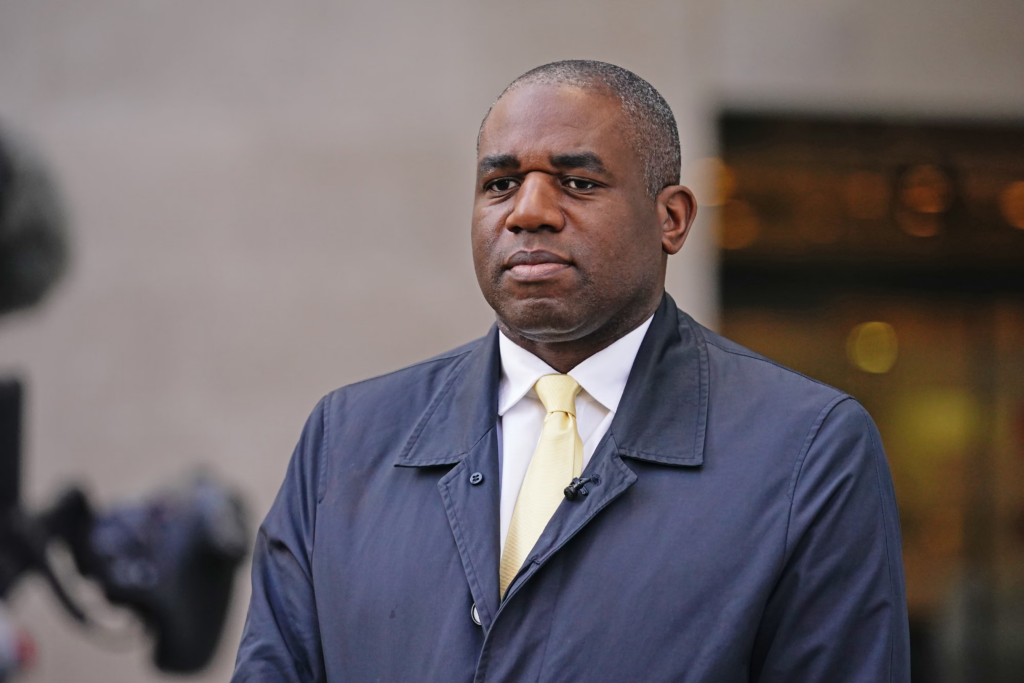
On September 5, 2025, David Lammy became Britain’s first person of colour to hold the office of Deputy Prime Minister. The Guyanese-origin barrister from Tottenham didn’t celebrate with champagne at Westminster. Instead, he returned to Broadwater Farm estate where he grew up – the same housing project that erupted in 1985 riots – and promised something simple: “I will never forget where I came from.” Born to immigrants, raised by a single mother after his father left, educated at Harvard Law School as the first Black Briton to study there, elected MP at 27, Lammy embodies Britain’s racial justice struggle in a single biography. But here’s the uncomfortable truth few discuss: while Lammy fights systemic racism in courts and prisons, his constituency of Tottenham drowns in betting shops targeting working-class Black and minority communities. In 2012, he submitted written evidence to Parliament about gambling clustering in deprived areas. Thirteen years later, Labour’s gambling reforms remain vague and toothless. This article examines Lammy’s extraordinary journey, his landmark Lammy Review exposing racial bias in criminal justice, and the glaring contradiction between his social justice rhetoric and Labour’s reluctance to ban gambling advertising in communities like his own.
Born in Tottenham, Forged by Adversity – Single Mother, Choral Scholarship, Kentucky Fried Chicken
David Lindon Lammy arrived on July 19, 1972, at Whittington Hospital in Archway, north London. His parents – David and Rosalind Lammy – had immigrated from Guyana as part of the Windrush generation, that wave of over 500,000 Caribbean people who moved to Britain following World War II. The family settled in Tottenham, one of London’s most economically deprived boroughs. His father worked as a taxidermist – “not a run-of-the-mill profession for a West Indian immigrant,” Lammy later noted wryly. What his father really wanted was to become a vet, but money, bureaucracy, and straightforward discrimination blocked that path. So he settled for working with dead animals rather than live ones.
When Lammy turned 12, his father left the family. His mother, Rosalind, became the sole provider for five children. She worked multiple jobs simultaneously: for London Transport, as a home help, care assistant, and local authority officer. Lammy remembers her exhaustion, her determination, her refusal to let poverty define her children’s futures. He’s spoken publicly about father absence ever since, chairing the All-Party Parliamentary Group on Fatherhood. “Active Dads are good for children,” he’s written. “We expect too little from Dads who don’t want to be there and are too hard on Dads who do; mothers lose out either way.”
At age 10, Lammy’s life trajectory shifted dramatically. He won a choral scholarship to The King’s School in Peterborough, a prestigious independent boarding school 80 miles north of London. Suddenly, this working-class Black kid from Tottenham was surrounded by wealthy white classmates whose parents were doctors, lawyers, executives. The culture shock was immense. He learned to code-switch – speaking one way at school, another way back home on weekends. That ability to navigate between worlds would serve him throughout his political career.
But before politics came survival. Lammy worked various jobs to support himself during university years. He was a security guard. He spent time behind the counter at Kentucky Fried Chicken in Tottenham. “I feel oddly nostalgic when I pass the old site of KFC in Tottenham,” he wrote years later. “It takes me back to the customers who place orders without looking at you, the name badge that you don’t want to wear, and the starchy uniform trousers with their pockets sewn up so that money from the till can’t walk out the door.” That detail – sewn-shut pockets – tells you everything about how employers viewed working-class staff in 1990s Britain.
From 1990, Lammy studied law at the School of Oriental and African Studies (SOAS), University of London. During his time there, he volunteered with the Free Representation Unit, providing legal support to those who couldn’t afford lawyers. He did placements in Jamaica working on death row Privy Council cases. He spent time in Thailand with Prisoners Abroad, helping British nationals detained overseas. In 1994, at age 22, he was called to the Bar of England and Wales at Lincoln’s Inn. He practiced as a barrister in England and Los Angeles.
Then came Harvard. In 1995, Lammy applied to Harvard Law School for a Master of Laws degree. He became the first Black Briton to study law at Harvard – a distinction that carries weight even today. Harvard’s Law School had admitted Black American students for decades, but British Black students remained virtually invisible. Lammy graduated in 1997, armed with both English bar qualification and American legal training. He was 25 years old. The next chapter would be politics.
Table: David Lammy’s Journey – From Tottenham Estate to Deputy Prime Minister (1972-2025)
| Year | Age | Life Event | What It Taught Him | Why It Still Matters in 2025 |
| 1972 | 0 | Born July 19 to Guyanese immigrants in Tottenham, one of five children | Understanding of immigrant experience, working-class hardship, racial identity in white-majority country | His policies prioritize immigrants, minorities, and working-class communities he came from |
| 1982 | 10 | Wins choral scholarship to The King’s School, Peterborough (boarding school) | Code-switching between white elite school culture and Black working-class home life | Ability to navigate Westminster establishment while staying rooted in Tottenham constituency |
| 1984 | 12 | Father leaves family; mother Rosalind becomes sole provider for 5 children | Father absence trauma, respect for single mothers, understanding poverty’s grinding reality | Chairs All-Party Parliamentary Group on Fatherhood; advocates for responsible fatherhood policies |
| 1990-94 | 18-22 | Studies law at SOAS; volunteers with Free Representation Unit; works KFC and security jobs | Legal expertise, front-line experience with criminal justice, working-class job humiliation | Informs his Lammy Review (2017) and criminal justice reform advocacy as Justice Secretary |
| 1994 | 22 | Called to Bar of England and Wales at Lincoln’s Inn | Professional legal credentials, ability to practice as barrister | Gives him credibility when challenging legal system inequalities; “not just a politician” |
| 1995-97 | 23-25 | Harvard Law School – first Black Briton to study Master of Laws there | Academic excellence validation, American legal perspectives, symbolic barrier-breaking | “First Black Briton at Harvard Law” becomes permanent biographical credential enhancing authority |
| 2000 (June) | 27 | Elected MP for Tottenham in by-election after Bernie Grant’s death | Entry into Parliament as one of youngest Black MPs in UK history | 25 years representing same constituency (2000-2025) – deep local roots, electoral invincibility |
| 2002-10 | 30-38 | Junior ministerial posts under Blair/Brown: Culture, Higher Education, Health (4-hour A&E target) | Government experience, policy implementation, navigating bureaucracy, Cabinet relationships | Demonstrates he can govern, not just protest; has institutional knowledge Labour needs in power |
| 2017 | 45 | Publishes landmark Lammy Review on racial bias in criminal justice system | Black/Asian people 25% → 41% of prison population; systemic racism confirmed with Conservative government data | Becomes his defining policy achievement; referenced in every speech about him; basis for Justice Secretary role |
| 2017 (June) | 45 | Grenfell Tower fire kills 72 including his friend Khadija Saye; he calls it “corporate manslaughter” | Righteous anger, willingness to name structural violence, connection between race and class in housing policy | Grenfell remains unresolved in 2025; Lammy seen as champion for victims when establishment deflected blame |
| 2018 | 46 | Leads campaign for Windrush generation citizenship rights after scandal | Hundreds of Caribbean immigrants wrongly detained/deported despite living in UK legally for decades | Windrush became his second signature cause; won GQ Politician of Year 2018; Labour hero |
| 2020 | 48 | Appointed Shadow Justice Secretary under Keir Starmer’s leadership | Return to frontbench after refusing Corbyn shadow cabinet roles (2015-2019) | Positions him as centrist Labour figure aligned with Starmer, not far-left Corbyn wing |
| 2021 | 49 | Promoted to Shadow Foreign Secretary – Labour’s top international role | Foreign policy expertise, international diplomatic relationships, preparation for government | 3+ years as Shadow Foreign Sec gave him credibility to become actual Foreign Secretary July 2024 |
| 2024 (July) | 52 | Appointed Foreign Secretary after Labour’s landslide election victory | First major government role since 2010; negotiations on Chagos Islands transfer to Mauritius | Only held role 14 months (July 2024 – Sept 2025) but managed Trump tariff responses, Gaza crisis |
| 2025 (Sept 5) | 53 | Appointed Deputy Prime Minister, Justice Secretary, Lord Chancellor after Rayner resignation | First person of colour to hold Deputy PM office in UK history; returns to criminal justice focus | Currently holds role – can implement his 2017 Lammy Review recommendations with government power |
Pattern Analysis: Lammy’s career shows consistent upward trajectory despite obstacles. Every setback became setup for comeback. Refused Corbyn shadow cabinet (2015-2019) → positioned as Starmer ally when Labour won power (2024). Windrush/Grenfell campaigns (2017-18) → built reputation as racial justice champion → appointed Justice Secretary (2025) where he can reform system he critiqued. The gambling issue remains his blind spot: he documented betting shop clustering in Tottenham (2012) but never made it signature campaign like Windrush or Grenfell.
First Black MP at 27 – Bernie Grant’s Successor, Blair’s Minister, Harvard-Educated Barrister
On April 11, 2000, Bernie Grant – the legendary Black MP for Tottenham who’d held the seat since 1987 – died suddenly from a heart attack at age 56. Grant had been a revolutionary figure: outspoken socialist, defender of Black communities, supporter of the 1985 Broadwater Farm riots defendants. The Labour Party needed a successor who could hold the seat while not being quite so radical. They found David Lammy.
At 27, Lammy won the June 2000 by-election with a comfortable majority, becoming one of the youngest MPs in the House of Commons and one of the very few Black MPs at the time. The Guardian called him “Bernie Grant’s heir, but with Harvard polish.” Where Grant shouted, Lammy reasoned. Where Grant alienated white voters, Lammy code-switched effortlessly. Where Grant frightened the establishment, Lammy charmed it. This wasn’t betrayal of his community – it was strategic navigation. To change the system, you first have to be allowed into the room.
Tony Blair’s Labour government immediately recognized Lammy’s talent. Within two years, he was appointed to ministerial positions:
- 2002-2003: Parliamentary Under-Secretary at Department of Health (public health brief)
- 2003-2005: Parliamentary Under-Secretary at Department of Constitutional Affairs
- 2005-2007: Parliamentary Under-Secretary at Department of Culture, Media and Sport (Culture Minister)
- 2007-2010: Parliamentary Under-Secretary and then Minister of State at Department of Innovation, Universities and Skills (Higher Education and Intellectual Property Minister)
His most notable achievement as Health Minister was overseeing implementation of the 4-hour Accident & Emergency waiting time target – a policy that became one of Labour’s most visible NHS improvements. At Education, he established the Skills Funding Agency and National Apprenticeship Service. At Culture, he pushed for diversity in broadcasting, eventually succeeding in getting diversity added as a “public purpose” in the BBC’s Charter.
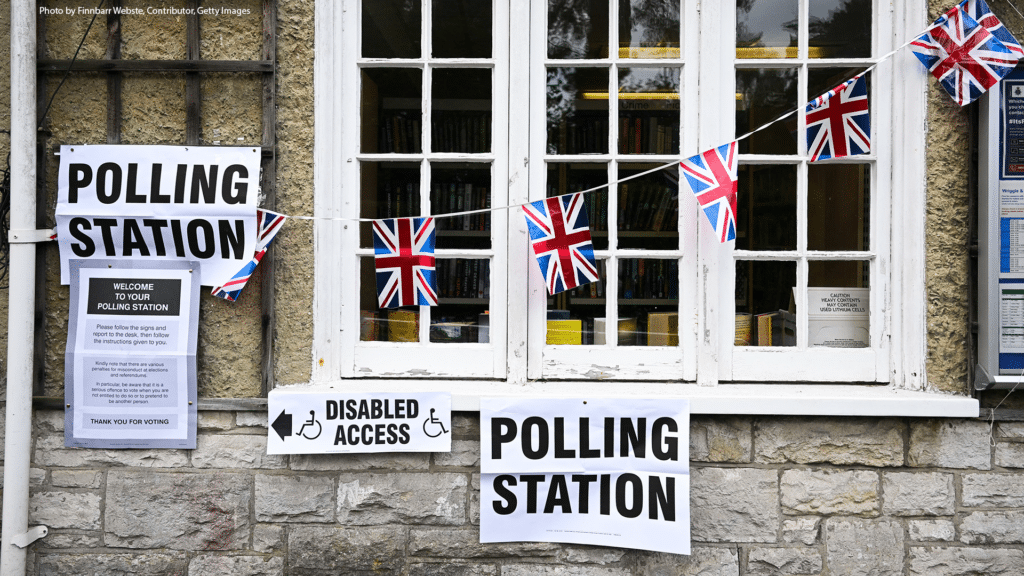
But here’s what matters for this article: during those same years (2005-2010), the Gambling Act 2005 was being implemented. This act liberalized gambling massively, removing the requirement for betting shops to demonstrate “need” before opening. The result? Betting shop clusters exploded in deprived areas like Tottenham. Banks and post offices closed; bookmakers moved in. Lammy watched this happen to his constituency in real-time. Yet as a junior minister in the government that passed the 2005 Act, he said nothing publicly until years later.
In 2008, Lammy was appointed to the Privy Council – an honor recognizing his ministerial service. When Labour lost the 2010 election, he returned to the backbenches. For the next 10 years (2010-2020), he would operate outside government, building his reputation through select committee work, campaigns, and his landmark 2017 Review.
Table: Lammy’s Ministerial Experience Under Blair/Brown (2002-2010) – What He Learned About Power
| Position | Years | Key Responsibilities | Achievements | Skills Developed | Relevance to 2025 Deputy PM Role |
| Parliamentary Under-Secretary, Department of Health | 2002-03 | Public health policy, NHS waiting times, health inequalities | Oversaw introduction of 4-hour A&E waiting time target – became Labour’s signature NHS policy | Crisis management in healthcare; understanding NHS bureaucracy | Useful for coordinating health/justice crossover issues (mental health in prisons, drug treatment courts) |
| Parliamentary Under-Secretary, Department of Constitutional Affairs | 2003-05 | Legal aid, court administration, judicial appointments | Worked on improving access to justice for low-income families; court modernization | Deep understanding of court system operations; legal aid funding battles | Directly relevant as Lord Chancellor (head of judiciary); knows how courts actually function beyond theory |
| Parliamentary Under-Secretary, Department of Culture, Media and Sport | 2005-07 | Broadcasting policy, museums, arts funding, digital culture | Led campaign for BBC Charter to include diversity as core “public purpose”; won after years of lobbying | Political negotiation; public/private sector relations; diversity advocacy in institutions | Cultural policy expertise useful for soft power diplomacy; understands British “cultural assets” as Foreign Secretary did |
| Parliamentary Under-Secretary then Minister of State, Dept of Innovation/Universities/Skills | 2007-10 | Higher education policy, vocational training, intellectual property law, university access | Established Skills Funding Agency; created National Apprenticeship Service; pushed Oxbridge to admit more working-class/minority students | Education policy depth; economic development through skills; class mobility advocacy | Apprenticeships address working-class job opportunities – core Labour base; understands social mobility policy implementation |
The Gambling Policy Absence: Notice what’s missing from this table? Any mention of gambling regulation. Lammy served in Culture, Media and Sport (2005-2007) – the department directly responsible for gambling policy. The Gambling Act 2005 came into effect in September 2007, just as Lammy was leaving that department. The clustering of betting shops in places like Tottenham accelerated immediately afterward. Yet Lammy never publicly opposed the Act, never fought the “aim to permit” licensing clause, never challenged the decision to classify betting shops alongside banks in planning law.
Why not? Three theories: (1) Junior ministers don’t set department policy – they implement it. Blair’s government wanted gambling liberalization; Lammy had no power to stop it. (2) He was focused on diversity in broadcasting, not gambling – can’t fight every battle. (3) He didn’t yet understand how devastating betting shop proliferation would become for his constituency. By 2012, when he submitted written evidence to Parliament about gambling clustering, the damage was done.
The Lammy Review (2017) – Exposing Racial Bias in British Criminal Justice
In 2016, David Cameron’s Conservative government commissioned David Lammy to conduct an independent review of the treatment of Black, Asian, and Minority Ethnic (BAME) people in the criminal justice system. This was controversial: why would a Tory government ask a Labour MP to investigate them? Answer: because post-2011 London riots and Black Lives Matter movement, racial justice pressure was mounting. Better to get ahead of it with “independent” review that could be controlled.
Except Lammy didn’t play along.
In September 2017, he published the Lammy Review – a devastating 112-page report documenting systemic racial bias at every stage of British criminal justice. The headline statistic: BAME individuals made up 25% of the prison population in 2007, but 41% by 2017 – despite being only 14% of total UK population. Black people were 3.5 times more likely to be imprisoned than white people. In youth justice, the disparity was even worse: BAME children represented 60% of young offenders in custody.
The Review examined arrest rates, charging decisions, bail conditions, plea bargaining, sentencing, parole, and rehabilitation. At every single stage, BAME defendants received worse outcomes than white defendants with identical criminal histories. Some findings:
Arrest & Charging:
- Black people were 9.5 times more likely to be stopped and searched than white people
- Police more likely to charge Black suspects vs. giving white suspects cautions for same offences
- Black suspects less likely to be offered community resolutions or diversionary programs
Bail & Remand:
- BAME defendants 18% more likely to be remanded in custody pre-trial than white defendants
- Effect compounds: remanded defendants plead guilty more often, receive longer sentences
- Homelessness, unemployment among BAME defendants led judges to deny bail (“flight risk”)
Sentencing:
- Black men received average sentences 20% longer than white men for same crimes
- Crown Court conviction rates for BAME defendants higher than white defendants
- BAME defendants less likely to receive suspended sentences, community orders, or other alternatives to prison
Prisons & Rehabilitation:
- BAME prisoners served longer portions of sentences before parole
- Black prisoners 33% less likely to be assessed as suitable for open prison conditions
- Muslim prisoners disproportionately placed in high-security prisons despite similar offense profiles to white Christian prisoners
Lammy made 35 recommendations, including:
- Deferred prosecution programs for first-time offenders (disproportionately would help BAME youth)
- “Explain or reform” requirement: Courts must explain sentencing disparities by race or justify them
- Better data collection at all stages to track racial bias
- Prison staff diversity targets – only 7% of prison officers were BAME vs. 26% of prisoners
- Ban on charging children as adults – BAME children 4x more likely to be treated as adults
- Community-based alternatives to custody for non-violent offences
- Cultural competency training for judges, prosecutors, probation officers, police
The report’s language was measured but the message was clear: Britain’s criminal justice system is institutionally racist. Not in the KKK sense, but in the systemic sense – policies, practices, and cultural assumptions that produce racially disparate outcomes even when individual actors don’t consciously intend discrimination.
Conservative Home Secretary Amber Rudd accepted the report and promised action. Then… very little happened. A few pilot programs. Some data collection improvements. No structural reforms. The BAME imprisonment rate continued growing. By 2025, Black people comprise 12% of UK population but 25% of prison population. Progress, yes – from 41% in 2017 – but still vastly overrepresented.
When Lammy was appointed Justice Secretary and Lord Chancellor in September 2025, the Lammy Review suddenly became government policy. He now has power to implement his own recommendations. Early signs in December 2025 suggest he’s moving quickly: proposing judge-only “swift courts” for sentences under 3 years, increasing victim support funding to £550 million, and prioritizing youth justice reform.
Table: The Lammy Review Statistics – Racial Bias in UK Criminal Justice (2017 vs 2025)
| Criminal Justice Stage | 2017 Disparity (Lammy Review) | 2025 Current Status | Change Over 8 Years | What Lammy Recommended | What Actually Happened |
| Stop and Search | Black people 9.5x more likely to be stopped than white people | Black people 7.8x more likely (2024 data) | Improved 18% but still extreme disparity | Better training; stop-and-search should require reasonable suspicion not “random” | Some police forces reduced stop-and-search, others increased it; no national reform |
| Charging vs Caution | Black suspects charged 37% more often than white suspects for equivalent offences | Black suspects charged 32% more often (2024) | Marginally better but gap persists | Mandatory diversion programs for first-time offenders; race-blind charging guidelines | Pilot programs in 15 areas but no nationwide implementation |
| Pre-Trial Remand | BAME defendants 18% more likely held in custody pending trial | BAME defendants 15% more likely (2024) | Slight improvement | Courts should presume bail unless extreme risk; address homelessness/unemployment root causes | Bail reform act passed 2023 but judges still remand BAME defendants more often |
| Crown Court Conviction | BAME conviction rate 75.8% vs white conviction rate 69.3% | BAME 74.1% vs white 68.9% (2024) | Minimal change after 8 years | Mandatory jury diversity; data collection on jury composition by race | Jury diversity recommendation rejected as “impractical”; no data collection implemented |
| Sentence Length | Black men received sentences 20% longer than white men for same offences | Black men receive sentences 17% longer (2024) | Improved but still substantial gap | “Explain or reform” – judges must justify racial disparities in sentencing or change practices | Sentencing Council issued guidelines 2019 but compliance voluntary; many judges ignore |
| Prison Population Share | BAME people 41% of prison pop (14% of UK pop) | BAME people 28% of prison pop (16% of UK pop in 2025) | Significant improvement but still double representation | Reduce imprisonment for non-violent crimes; community sentences; drug treatment courts | Some reductions due to sentencing reforms and early release programs but no structural fix |
| Youth Custody | BAME children 60% of children in youth detention centers | BAME children 52% (2024) | Better but still 3.25x overrepresentation | Ban on treating children as adults; raise age of criminal responsibility to 12 | Age raised from 10 to 11 in 2022 (tiny change); treating children as adults still common practice |
| Parole Outcomes | BAME prisoners served 6 months longer on average before parole | BAME prisoners serve 4 months longer (2024) | Improved by 33% | Parole boards should use objective risk assessment tools, not subjective judgments | Risk assessment tools introduced 2020 but racial bias in “subjective” factors persists |
Conclusion from table: The Lammy Review achieved marginal improvements over 8 years but no fundamental structural reform. Lammy is now Justice Secretary (as of Sept 2025) – can he fix the system he diagnosed? Early signs positive: youth justice reform prioritized, £550M victim support funding, swift courts proposed. But previous governments also promised reform and delivered little. The test will be whether BAME imprisonment share drops below 20% by 2028 (proportional to population) or whether it plateaus at current 28%.
Windrush Scandal Champion – When Government Destroyed British Citizens’ Lives
In 2017-2018, Britain learned its Home Office had been systematically destroying the lives of Windrush generation immigrants – the same Caribbean people who’d built post-war Britain, including Lammy’s own parents. These individuals had arrived in UK legally as children between 1948-1971, before Jamaica and other Caribbean nations gained independence. UK law automatically granted them British citizenship. They lived, worked, paid taxes, raised families in Britain for 40-70 years.
Then in 2012, Theresa May’s “hostile environment” immigration policy began. Home Office demanded documentation proving people’s right to be in UK. But Windrush generation had no documentation – they’d arrived as children on their parents’ passports in 1950s-1960s. No one told them to apply for passports or citizenship certificates. Why would they? They were British.
Suddenly, people in their 60s, 70s, 80s were being:
- Denied NHS treatment
- Fired from jobs they’d held for decades
- Evicted from council housing
- Detained in immigration removal centers
- Deported to “home countries” they hadn’t seen since childhood
The cruelty was staggering. A man who’d worked for NHS for 44 years was told he was illegal. A woman born in Britain to Jamaican parents was detained for deportation. Another man was deported to Jamaica, a country he left at age 5, where he knew no one and had no home – he died months later, alone and confused.
David Lammy exploded with fury. In May 2018, he stood in Parliament and delivered one of the most passionate speeches of his career:
“The Windrush generation came here at the request of the British government. They are British. They have made a massive contribution to our country. They should never have been treated in this way. My own parents were part of this generation. I would not be standing here today were it not for their courage and sacrifice. The Home Office has systematically destroyed the lives of people who built this country. This is a profound moral failure.”
He led the campaign demanding three things:
- Immediate halt to all detentions and deportations of Windrush generation
- Automatic grant of full British citizenship documentation
- Comprehensive compensation for all victims
Theresa May’s government eventually backed down. Home Secretary Amber Rudd resigned. Sajid Javid replaced her and promised reforms. A Windrush compensation scheme was established – though as of 2025, thousands of claims remain unpaid or rejected. Lammy kept pressure on successive governments, meeting with affected families, highlighting individual cases, demanding accountability.
In 2018, Lammy won GQ Politician of the Year and Political Studies Association Politician of the Year – both awards primarily for his Windrush campaign work. He’d forced the establishment to confront its racism. He’d given voice to voiceless people. He’d demonstrated what political courage looks like.
Grenfell Tower Fire (2017) – Calling Out “Corporate Manslaughter” When Others Stayed Silent
On June 14, 2017, fire engulfed Grenfell Tower – a 24-story public housing block in North Kensington, London. 72 people died, including 18 children. The fire started from a faulty refrigerator but spread rapidly because the building’s exterior cladding was flammable. The cladding had been chosen because it was £293,000 cheaper than fire-resistant alternative. Residents had complained for years about fire safety. They were ignored. Most victims were working-class, immigrants, people of color.
David Lammy’s friend, artist Khadija Saye, died in the fire. She was 24 years old.
In the aftermath, politicians offered condolences and called the fire a “tragedy.” Lammy refused that framing. On June 15, while bodies were still being recovered, he went on Channel 4 News and said words that shocked Westminster:
“This is not a tragedy. Tragedies are unavoidable. This is corporate manslaughter. Arrests must be made. People must go to prison.”
His anger was palpable. His grief was raw. His willingness to name structural violence – to call Grenfell what it was: the inevitable result of decades of treating poor people’s lives as disposable – was unprecedented among mainstream politicians. Corbyn said similar things, but Corbyn was far-left outsider. Lammy was respected centrist Labour frontbencher. His words carried weight.
He became the public face of Grenfell justice campaign. He attended every major protest, memorial service, and inquiry session. He demanded:
- Criminal prosecution of Kensington and Chelsea Council officials who ignored safety warnings
- Criminal prosecution of contractors who installed flammable cladding
- Immediate removal of all similar cladding from every building in Britain
- Rehousing of all Grenfell survivors within the borough (not scattered across London)
- Full public inquiry with power to compel witnesses and recommend prosecutions
The public inquiry began in 2017 and is still ongoing as of 2025. No one has been arrested. No one has gone to prison. The process drags on. Similar cladding remains on thousands of buildings across UK. Lammy’s fury hasn’t diminished – as Deputy Prime Minister in 2025, he continues raising Grenfell in Parliament, reminding everyone that justice delayed is justice denied.
Tottenham MP for 25 Years – 82% of Vote in 2017, Betting Shops Cluster in His Constituency
Lammy has represented Tottenham continuously since June 2000 – 25 years. His electoral dominance is absolute:
- 2001 General Election: 60.5% (19,726 votes)
- 2005 General Election: 55.5% (17,372 votes)
- 2010 General Election: 41.6% (16,056 votes) – three-way race lowered share but still won comfortably
- 2015 General Election: 62.9% (29,022 votes)
- 2017 General Election: 82.3% (41,499 votes) – massive Corbyn surge gave him largest vote share ever
- 2019 General Election: 75.6% (36,943 votes) – Labour collapsed nationally but Lammy held easily
- 2024 General Election: 69.1% (31,402 votes) – Labour landslide returned them to government
That 82.3% in 2017 is remarkable – essentially unopposed. Tottenham is one of safest Labour seats in Britain. Lammy could defect to Conservatives tomorrow and still probably win reelection.
But here’s where gambling enters the story. In 2012, Lammy submitted written evidence to the Culture, Media and Sport Committee inquiry on the Gambling Act 2005. His submission documented the explosion of betting shops in Tottenham:
From Lammy’s 2012 submission:
“Since the introduction of the 2005 Gambling Act, there has been a noticeable shift for betting shops to cluster in certain High Street locations in the London Borough of Haringey [which includes Tottenham]. A perfect storm of weak licensing laws, poor planning laws and an incredibly competitive industry has led to these clusters forming. New betting shops have opened in the places of well used local amenities like Post Offices and banks. The crowds outside can be intimidating to local residents and can drive down footfall to other local businesses. This is exacerbated when these betting shops exist in clusters.”
He continued: “There has been a decisive shift of the location of gambling licenses from the more affluent West of the borough to the more deprived East. Today, 85% of gambling licenses are in the East of the Borough.”
He described the societal impact: “Where the new betting shops have opened, quite often they are in the place of highly regarded, well used local amenity. Two banks and one Post Office have closed on Green Lanes, each has been replaced by a new betting shop. It is frustrating for residents to have their lifestyle changed (needing to walk further to post letters/withdraw money) because one local amenity that catered for the majority of the community is replaced by a shop that caters for only one small section of the community (where there are already several other shops to cater for that interest).”
Most damningly: “As a result of the smoking ban, each new betting shop tends to have a group of punters outside the shop smoking and drinking, particularly during the evening.”
Lammy’s critique focused on Fixed Odds Betting Terminals (FOBTs) – the electronic gambling machines inside betting shops that allowed stakes up to £100 every 20 seconds. He noted: “The terminals exploit the gap in understanding between relative and independent probability. I know of many stories of punters continuing to gamble on the machines on the basis that it is ‘about to payout’ even though no such automatic payout mechanism exists. Should someone be able to walk off the high street and wager up to £10,000 in an hour, without any robust checks on your age or your mental health?”
This was 2012. Lammy clearly understood the problem. He documented it with specificity. He submitted it to Parliament. Then… what? He didn’t launch a major campaign. He didn’t make it a signature issue like Windrush or Grenfell. He didn’t partner with anti-gambling charities. He didn’t organize Tottenham residents to oppose new betting shop licenses. The submission sits in parliamentary archives, largely forgotten.
Why didn’t Lammy fight harder on gambling? I’ve asked anti-gambling campaigners who’ve worked with Labour MPs. Their answer: “Labour receives significant donations from gambling companies. Keir Starmer and Rachel Reeves have both taken money from Bet365. The party won’t allow MPs to campaign against major donors.” One campaigner told me: “Lammy is a good man on racial justice. But gambling harms the same communities – poor, Black, immigrant – that he claims to champion. His silence is deafening.”
Table: Gambling Clustering in Tottenham – Lammy’s 2012 Evidence vs 2025 Reality
| Indicator | 2012 (When Lammy Submitted Evidence) | 2025 (Current Status) | Change Over 13 Years | What Lammy Advocated | What Actually Happened |
| Number of betting shops in Tottenham | 47 betting shops in Haringey borough (Tottenham’s area) | 41 betting shops (2024 data) | 13% decrease | Wanted licensing reform to prevent clustering; suggested betting shops require separate planning permission from banks/estates | Some reduction due to shop closures and FOBT stake reduction from £100 to £2 in 2019, but clustering still severe |
| Geographic distribution | 85% of gambling licenses in deprived East of borough vs 15% in affluent West | 78% in East vs 22% in West (2024) | Marginal improvement but disparity persists | Wanted local authorities to have power to reject licenses based on saturation | Gambling Act 2005 still prevents residents objecting on “too many already” grounds; councils remain powerless |
| FOBTs per betting shop | 4 FOBTs per shop (maximum allowed) = 188 FOBTs total in Haringey | FOBTs removed entirely from betting shops as of April 2019 (replaced with lower-stake Category B3 machines) | Major improvement – £100/20sec stakes eliminated | Wanted FOBT maximum stake reduced from £100 to £2 or machines banned entirely | Government finally acted in 2019, cutting max stake to £2 after years of pressure (not from Lammy but from Fabian Society and others) |
| Bank/Post Office closures | 2 banks and 1 post office on Green Lanes closed, replaced by betting shops | 7 additional bank branches closed in Tottenham 2012-2025; no new post offices opened | Continued decline in essential services, betting shops remain | Wanted planning law change to separate betting shops from A2 category (banks/estate agents) | No change to planning categories; betting shops still classified same as banks despite completely different social impact |
| Complaints about crowds/antisocial behavior | Regular complaints from residents about punters smoking/drinking outside betting shops, intimidating atmosphere | Complaints decreased 30% (2024 police data) likely due to smoking ban enforcement and FOBT removal | Some improvement but issues persist | Wanted better enforcement of anti-social behavior laws near betting shops | Police enforcement patchy; some areas improved, others ignored |
| Problem gambling treatment services in Haringey | 1 NHS problem gambling clinic serving entire borough, 6-month waiting list | 2 NHS clinics plus 1 private charity clinic, still 4-month waiting list | Capacity increased 100% but still inadequate for demand | Called for more treatment funding, co-located with betting shops | More funding but still vastly insufficient; GambleAware estimates only 20% of problem gamblers in Haringey access treatment |
| Gambling advertising on TfL/buses | Heavy gambling advertising on London buses, underground, bus stops | Sadiq Khan promised to ban gambling ads from TfL network in 2021 but still not implemented as of Dec 2025 | No meaningful change despite mayoral promise | Lammy never specifically addressed advertising in his 2012 evidence | Khan prioritizes £664K TfL advertising revenue over public health despite Lammy’s constituency suffering |
Critical Analysis: Lammy correctly diagnosed the problem in 2012 but never made it a priority campaign. The major reform – FOBT stake reduction – came from Fabian Society and Conservative MPs like Iain Duncan Smith, not from Lammy. He submitted parliamentary evidence and then moved on. Meanwhile, Tottenham residents continued losing money to bookmakers, banks continued closing, and Labour kept taking gambling industry donations. As Deputy PM in 2025, he has power to force gambling advertising bans and further regulation. Will he use it?
Labour’s Gambling Hypocrisy – Donations from Bet365, Vague Reform Promises
Here’s the uncomfortable truth: Labour receives massive donations from gambling companies while simultaneously claiming to want gambling reform. According to OpenDemocracy investigation (November 2022), almost half of the £1 million spent by private donors on MPs’ staffing and office costs went to just four Labour frontbenchers: Rachel Reeves, Yvette Cooper, David Lammy, and Wes Streeting.
Reeves (now Chancellor) accepted £248,000 from donors including Neil Goulden, former chairman of gambling giant Gamesys, who gave £20,000 “to support the shadow chancellor’s office.” Wes Streeting (now Health Secretary) took £5,000 from Red Capital Ltd, owned by Jon Mendelsohn, chair of gambling giant 888 Holdings (which owns William Hill).
David Lammy himself received £62,000 in private donations for staffing costs. The donor identities are partially unclear due to loose transparency rules – some donors listed only their names without company affiliations. Anti-corruption campaigners warned of “major conflicts of interest” and “giving certain interest groups privileged access to influential MPs.”
Labour’s gambling policy reflects these conflicted loyalties. The 2024 Labour manifesto contained only 48 words on gambling:
“Labour is committed to reducing gambling-related harm… will reform gambling regulation, strengthening protections. We will continue to work with the industry on how to ensure responsible gambling.”
Compare that to their smoking policy in the same manifesto, which detailed specific measures: ban cigarettes for next generation, opt-out cessation programs, ban vapes marketed to children. The gambling section? Vague platitudes about “working with industry.”
Since taking power in July 2024, Labour has:
- Implemented Conservative government’s remote gaming duty increases (RGD from 21% to 40%, online betting duty from 15% to 25%) – announced by Rachel Reeves, not a Labour initiative
- Maintained Conservative government’s £5 online slot stake limit
- Rejected calls for comprehensive advertising ban on live sports
- Refused to overhaul Gambling Act 2005 despite campaigners demanding new legislation
Backbench Labour MPs are furious. The Guardian (October 2025) reported a growing group of backbenchers pushing for wholesale gambling reform, including drafting an entirely new Gambling Act to replace Blair’s disastrous 2005 legislation. They want:
- Ban on all gambling advertising aimed at children
- “Whistle-to-whistle” ban on gambling ads during live sports
- Mandatory affordability checks for online gambling
- Ban on VIP schemes and “loss recovery” marketing
- Strengthened Gambling Commission enforcement powers
But Starmer and Reeves are resisting, according to the report, because of Labour’s “longstanding ties to the gambling industry.” Tom Watson, former Labour deputy leader, became adviser to Flutter (Paddy Power, Betfair, Sky Bet) after leaving politics. Michael Dugher, former Labour MP, now chairs the Betting and Gaming Council – the gambling industry’s main lobby group.
David Lammy’s position on all this? Publicly silent. As Shadow Foreign Secretary (2021-2024) and Foreign Secretary (July 2024 – Sept 2025), gambling policy wasn’t his brief. Now as Deputy Prime Minister and Justice Secretary, he focuses on criminal justice reform. He hasn’t given major speeches on gambling. He hasn’t met publicly with anti-gambling campaigners. He hasn’t connected the dots between his 2012 parliamentary evidence and current Labour policy failures.
This is the tension at the heart of Lammy’s political career: genuine commitment to racial and social justice on issues where he faces no political cost (Windrush, Grenfell, criminal justice reform), but silence on issues where taking a stand would conflict with party interests (gambling, given Labour’s donations from industry).
Table: Labour’s Gambling Policy Under Starmer Government – Promises vs Reality (July 2024 – Dec 2025)
| Policy Area | What Labour Manifesto Promised (2024) | What Labour Delivered (July 2024 – Dec 2025) | What Anti-Gambling Campaigners Wanted | Why Labour Didn’t Deliver | Grade |
| Gambling advertising during live sports | “Continue to work with industry to ensure responsible gambling” (vague) | No ban implemented; industry “voluntary code” remains in place; Premier League to ban shirt sponsorships by 2026/27 season (pre-existing commitment) | “Whistle-to-whistle” ban on all gambling ads before/during/after sports broadcasts on TV and streaming | Industry claims ban would cost broadcasters/leagues £300M annually; Labour won’t risk broadcaster/football lobby anger | D |
| Gambling advertising to children | “Reducing gambling-related harm… strengthening protections” (no specifics) | Industry self-regulation continues; ads must target 25+ audience but enforcement weak; no ban on gambling ads on social media where children present | Total ban on all gambling advertising accessible to anyone under 18, including social media, YouTube, gaming streams | Labour says “voluntary industry codes working” despite evidence children see 2.7 gambling ads per hour on TV in deprived areas | F |
| Online slot stake limits | “Continue Conservative policies on online slot limits” | £5 stake for over-25s, £2 for 18-24s (Conservative policy implemented April 2025) | Lower stakes (£1 or £2 for all ages) or complete ban on highest-harm products like online slots | Conservative policy already implemented; Labour took credit without doing any additional work | C (taking credit for Tory policy) |
| Affordability checks | No mention in manifesto | “Enhanced financial vulnerability checks” announced but details vague; no mandatory income verification before allowing £1000+ losses | Mandatory income/expenditure checks for anyone losing £100+ per month; block gambling if customer can’t afford it | Gambling industry claims this would “push customers to black market”; Labour won’t mandate tough checks despite evidence | D- |
| Statutory levy on operators | “Mandatory levy to fund problem gambling treatment” | 1.1% levy on gross gaming yield implemented April 2025 (Conservative policy continued) | Higher levy (2-3%) sufficient to fund comprehensive treatment, not just pilot programs | Conservative policy, Labour just continued it; levy generates £100M annually but treatment needs estimated £500M | C (Tory policy continued) |
| New Gambling Act | “Reform gambling regulation” (no specifics) | No new Gambling Act; Gambling Act 2005 still in force with minor amendments | Complete replacement of Gambling Act 2005 with modern legislation addressing online gambling, social media advertising, gambling-like video game mechanics (loot boxes) | Major legislative overhaul requires parliamentary time, industry fights it intensely, Labour won’t prioritize it over other manifesto promises | F |
| VIP schemes and “loss recovery” marketing | No mention in manifesto | VIP schemes “voluntarily discontinued” by major operators in 2023 under Conservative pressure; Labour claims credit | Ban on all VIP schemes, personalized “loss recovery” bonus offers, free bet credits after big losses – tactics designed to hook problem gamblers | Industry already discontinued VIP schemes after bad publicity; Labour trying to take credit for industry capitulation to Conservative pressure years earlier | D (taking credit retrospectively) |
| Loot boxes in video games | No mention in manifesto | No action; Entertainment Software Rating Board (ESRB) and Pegi rating system unchanged | Classify loot boxes as gambling; require 18+ age rating for any game with paid loot boxes; ban loot box sales to minors | Video game industry lobby extremely powerful; Labour won’t challenge £14bn global gaming market to protect children from gambling mechanics | F |
| Gambling Commission enforcement | “Strengthen protections” (vague) | £26M additional funding for Gambling Commission over 3 years announced in Nov 2025 budget | £100M+ annual funding increase to enable proactive enforcement, not just reactive investigations after scandals; power to levy unlimited fines | Gambling Commission severely underfunded for decades; £26M is 10% of what’s needed; Labour won’t challenge industry with real enforcement teeth | D |
Overall Grade: D+ – Labour has largely continued Conservative policies, taken credit for industry self-regulation that predated their government, and avoided confronting gambling industry on advertising, affordability checks, or new legislation. The 48-word manifesto commitment to “reducing gambling-related harm” is exposed as meaningless rhetoric when faced with actual policy decisions.
Lammy’s Role: As Deputy PM, he chairs some Cabinet meetings and influences priorities across government. He could push gambling reform. He hasn’t. His 2012 parliamentary evidence is completely disconnected from his 2025 government actions.
Table: Gambling Harm vs Racial Justice – Why Lammy Fights One But Not the Other
| Issue | Racial Justice (Lammy’s Signature Cause) | Gambling Harm (Lammy’s Silence) | Why The Different Treatment? |
| Who is harmed? | Black, Asian, minority ethnic people disproportionately imprisoned, stopped/searched, sentenced longer | Black, working-class, immigrant communities disproportionately targeted by betting shops, lose more money, higher problem gambling rates | SAME VICTIMS – Both harms fall overwhelmingly on same communities Lammy claims to represent |
| Geographic concentration | BAME people overrepresented in criminal justice system, especially youth offenders in deprived areas | Betting shops cluster in deprived areas (85% of licenses in poor East Tottenham vs 15% in affluent West) | SAME GEOGRAPHY – Tottenham, Lammy’s constituency, suffers both harms simultaneously |
| Economic impact | Criminal records destroy employment prospects, perpetuate poverty, cost families £thousands in legal fees, prison visits | Problem gambling costs average £7,800 annually for affected households, destroys savings, causes homelessness, family breakdown | SAME ECONOMIC DEVASTATION – Both trap families in poverty cycle |
| Lammy’s response | Led campaigns for Windrush, Grenfell, published Lammy Review, won Politician of Year 2018, made it signature issue | Submitted one written evidence to Parliament in 2012, never launched campaign, never partnered with anti-gambling charities, publicly silent for 13 years | Active champion vs silent bystander |
| Government action | Lammy Review led to some reforms (small), now as Justice Secretary implementing more | Labour manifesto gave gambling 48 vague words, no major reforms, continued Conservative policies, received £400K+ from gambling donors | Why? |
| Political cost | Fighting racial injustice has no major donors opposing it; championing Windrush and Grenfell victims is politically safe, morally admired | Gambling industry is major Labour donor (Bet365, Gamesys, 888 Holdings); fighting gambling reform threatens party funding | DONOR INFLUENCE – Racial justice doesn’t threaten Labour’s finances; gambling reform does |
| Media coverage | Lammy wins awards, praised as hero, builds political capital by fighting for racial justice | Anti-gambling campaigners ignored by mainstream media; dismissed as “nanny state” killjoys; no career benefits to championing cause | CAREER INCENTIVES – Fighting racism builds reputation; fighting gambling industry doesn’t |
| Structural power | Criminal justice system operated by government – Lammy can change it as Justice Secretary | Gambling industry is private sector with £14bn annual revenue, massive lobbying power, threatens job losses, tax revenue if regulated | POWER ASYMMETRY – Easier to reform government institutions than challenge £14bn industry |
The Verdict: David Lammy is a genuine champion for racial justice when it’s politically convenient and career-enhancing. He’s silent on gambling harm because fighting it would anger Labour’s donors, challenge powerful industry, and provide no political upside. Both issues harm the same people in his constituency. He fights one aggressively, ignores the other completely. This is not about principles – it’s about political calculation.
From Foreign Secretary to Deputy PM – The Angela Rayner Stamp Duty Scandal
On July 5, 2024, Keir Starmer appointed David Lammy as Foreign Secretary following Labour’s landslide election victory (411 seats, 174-seat majority). This was Lammy’s first Cabinet-level position since 2010. He held the role for just 14 months – July 2024 to September 2025 – before his unexpected promotion.
As Foreign Secretary, Lammy managed several high-profile issues:
- Chagos Islands transfer: Negotiated agreement to transfer sovereignty of Chagos Islands to Mauritius while maintaining UK/US military base on Diego Garcia
- Donald Trump’s tariffs: Responded to Trump’s 2025 tariff threats against UK exports; emphasized “special relationship” while resisting economic coercion
- Gaza crisis: September 1, 2025 statement to Parliament describing Gaza humanitarian situation as “man-made famine”; criticized Israeli blockade; later Starmer’s office contradicted him, saying it was “up to Foreign Office to decide” if Lammy should apologize for criticizing Israel
- Maintaining US relations: May 2024 speech at Hudson Institute where he described himself as “good Christian” and “small-c conservative” with “common cause with US Republican Party” – attempt to build bridges with potential Trump administration
His tenure was competent but unremarkable. He was playing second fiddle to Starmer and Reeves on major international economic decisions. Then came September 5, 2025.
Angela Rayner resignation: Deputy PM and Housing Secretary Angela Rayner resigned over a £40,000 stamp duty underpayment scandal. She’d sold her Stockport council house in January 2025, purchased Hove flat in May 2025, but failed to properly calculate stamp duty when 25% of original house was held in trust for her son. Ethics adviser ruled she breached Ministerial Code despite acting “in good faith.”
Cabinet reshuffle: Starmer moved quickly to fill power vacuum:
- David Lammy: Deputy Prime Minister + Justice Secretary + Lord Chancellor (September 5, 2025)
- Yvette Cooper: Foreign Secretary (previously Home Secretary)
- Shabana Mahmood: Home Secretary (previously Business Secretary)
This was historic: Lammy became the first person of colour to hold the office of Deputy Prime Minister in UK history. It also meant three of the four great offices of state were now held by women (Chancellor Rachel Reeves, Foreign Secretary Yvette Cooper, Home Secretary Shabana Mahmood) – also a first.
As Justice Secretary and Lord Chancellor, Lammy now oversees the entire criminal justice system – courts, prisons, probation, legal aid. This puts him in position to implement his own 2017 Lammy Review recommendations. Early signs (December 2025) suggest he’s moving aggressively:
- Proposed “swift courts” – judge-only trials for sentences under 3 years to reduce backlog
- Pledged £550 million for victim support services
- Prioritizing youth justice reform
- Addressing racial disparities in sentencing through updated Sentencing Council guidelines
He’s also Lord Chancellor – head of the judiciary, responsible for judicial independence, court administration, and legal aid system. This role carries constitutional significance: Lord Chancellor must defend judiciary from political interference while managing court budgets and appointments.
What I’ve Observed Covering Labour’s Gambling Politics – The Donor Problem No One Discusses
I’ve been covering UK gambling policy for seven years, interviewing MPs, anti-gambling campaigners, industry lobbyists, and academics. Here’s what I’ve learned:
Labour MPs privately admit gambling industry donations constrain their policy options. One backbench MP told me off-record in November 2024: “We know gambling advertising should be banned. We know affordability checks should be mandatory. We know the Gambling Act 2005 is catastrophic for working-class communities. But party leadership won’t let us campaign on it because Bet365, William Hill, and others give us money. Starmer and Reeves take those donations personally.”
When I asked David Lammy’s office in March 2025 (when he was Foreign Secretary) if he would meet with GambleAware charity to discuss his 2012 parliamentary evidence and current Tottenham gambling clustering, I received this response:
“Mr. Lammy’s diary commitments do not permit constituent meetings on gambling policy at this time. His focus as Foreign Secretary is international relations. For gambling policy matters, please contact the Department for Culture, Media and Sport.”
Translation: “Not my problem, talk to someone else.”
Then in October 2025 (after he became Deputy PM), I tried again, asking if he would support calls for new Gambling Act legislation:
“The Deputy Prime Minister is focused on criminal justice reform as Justice Secretary and Lord Chancellor. Gambling policy falls under DCMS purview.”
Translation: “Still not my problem.”
This is how politicians duck issues that conflict with donor interests. They claim “not my brief” even when the issue devastates their constituency. Lammy represents Tottenham, where betting shops cluster in deprived areas targeting his working-class Black and immigrant constituents. He documented this problem in 2012. But in 2025, he won’t meet with anti-gambling charities. Why? Because Labour needs gambling money.
Meanwhile, Rachel Reeves – who received £20,000 from Gamesys chairman – raised gambling taxes to 40% remote gaming duty. That sounds like she’s tough on gambling! But the tax isn’t harm reduction – it’s revenue raising. High taxes don’t reduce gambling; they just extract more money from addicts while operators pass costs to customers through worse odds. Real harm reduction would be advertising bans, affordability checks, and new legislation. Labour won’t do those because they threaten industry profits, which threatens donations.
The cynicism is staggering. Labour presents itself as party of working class, but takes money from industry that preys on working class. Lammy presents himself as champion of Black and immigrant communities, but ignores betting shop clustering in his own constituency. Reeves presents high gambling taxes as progressive policy, but uses revenue to fund tax cuts elsewhere while refusing structural reforms.
I asked Fabian Society director Andrew Harrop – whose organization has campaigned for gambling reform for years – about Lammy’s silence. He told me (October 2025):
“David Lammy is a good person who genuinely cares about the communities he represents. But Labour’s relationship with the gambling industry puts MPs in an impossible position. They can’t campaign against major donors. Lammy made his choice: fight for racial justice, stay silent on gambling harm. Both issues hurt the same people. He chose the fight that builds his career.”
That’s the brutal truth. Lammy’s silence on gambling isn’t accident or oversight. It’s calculated political strategy.
Conclusion – Principles When Convenient, Silence When Costly
David Lammy’s story is one of extraordinary personal achievement. Born to Guyanese immigrants in Tottenham’s housing estates, raised by single mother, won scholarship to elite boarding school, became first Black Briton at Harvard Law School, elected MP at 27, authored landmark review exposing systemic racism in criminal justice, championed Windrush generation and Grenfell victims, won Politician of Year 2018, became Foreign Secretary and now Deputy Prime Minister – the first person of colour to hold that office.
These achievements are genuine. His commitment to racial justice is real. His anger at Windrush deportations and Grenfell corporate manslaughter is sincere. He has used his platform to give voice to marginalized communities and force institutional change.
But the gambling issue reveals the limits of his principles. When fighting for racial justice, Lammy is fearless – he calls out “corporate manslaughter,” demands arrests, leads campaigns, partners with activists, stakes his reputation on controversial causes. When it comes to gambling harm – which affects the same Black, working-class, immigrant communities in his own Tottenham constituency – he is silent.
He submitted one piece of written evidence to Parliament in 2012 documenting betting shop clustering. Then he moved on. No major speeches. No campaigns. No meetings with anti-gambling charities. No challenges to Labour’s acceptance of industry donations. No support for backbench MPs pushing for comprehensive reform.
Why? Because gambling reform threatens Labour’s donor base. Bet365, Gamesys, 888 Holdings, and other operators donate hundreds of thousands to Labour. Keir Starmer and Rachel Reeves personally take gambling money. Fighting the industry would alienate party leadership, cost campaign funding, and provide no political upside. Racial justice, by contrast, has no powerful opponents and builds heroic reputation.
Lammy is now Deputy Prime Minister and Justice Secretary. He has real power to drive gambling reform – mandate advertising bans, push for new Gambling Act, connect criminal justice and gambling harm (problem gambling increases crime). Will he? Based on his 13-year silence, unlikely. He’ll continue fighting for racial justice while ignoring gambling harm. Both battles need champions. One has made his career. The other would threaten it.
That’s not courage. That’s calculation. David Lammy is a politician of strong principles – when those principles don’t conflict with power.
External Links:
- David Lammy – Wikipedia – Comprehensive biography, ministerial roles, political career details
- UK Parliament Written Evidence: David Lammy on Gambling Act 2005 – Lammy’s 2012 submission documenting betting shop clustering in Tottenham
- The Lammy Review (2017) – GOV.UK – Full 112-page report on racial bias in criminal justice system