The Greens Are Winning the Young Vote. Labour Doesn’t Know How to Get It Back
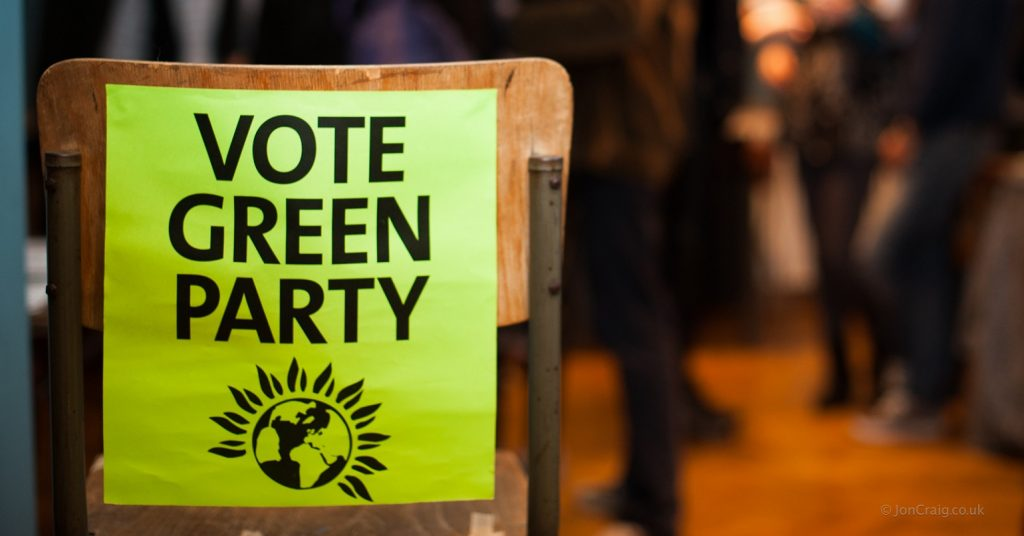
In July 2024, the Green Party won four seats and 6.7% of the national vote – its best general election result ever. Eighteen months later, the party polls at 14-15% nationally, its membership has soared past 180,000, and among voters aged 18 to 24, the Greens are the most popular party in Britain by a wide margin.
That last number is the one that should keep Labour strategists up at night: 38% of 18-24 year olds say they’d vote Green. Labour is second in that age group, trailing badly. Reform and the Conservatives barely register among the youngest voters – both sit between 9% and 12%.
This isn’t a protest vote. It’s a generational shift. And it has a name: Zack Polanski.
Best Online Casinos
Read only the latest news and play at the best online casinos – each one personally verified by us:

BetPortal
- Lucky Friday: 50% Friday Reload Bonus
- Wild Wednesday: 250 Free Spins
- Riskfree Weekend: 10% Cashback

Amunbet
- Lucky Amun Monday: 50% up to £450
- First Deposit Highroller Bonus: 250% up to £4,500 + 250 FS
- Pharaoh’s Wins Weekend: Up to £450

Fortunica
- 5,000+ games from 40+ providers
- Fast payouts available via Visa and Mastercard, e-wallets (PayPal, Skrill, Neteller), bank transfers, and cryptocurrencies

VegasNova
- Promo Code - WELCOME200
- Sports Welcome Bonus - 150% up to €200–$200

Highspin
- Tuesday Reload Bonus 50% Up To £250
- Secial Bonus - HIGHSPIN LOTTERY
- Weekly Cashback - Every Monday Up To £500

West Ace
- Crypto Casino Bonus - 200% up to 3,000 USDT
- Crypto Sports Bonus - 100% up to 200 USDT






The Polanski Effect
Polanski became Green Party leader in September 2025, replacing the co-leadership model the party had used for years. A former London Assembly member, he ran on a platform that was unapologetically left-wing and populist – wealth taxes, free public transport, a green jobs guarantee, and full opposition to the UK’s involvement in arms exports.
Since his election, Green membership has overtaken first the Liberal Democrats and then the Conservatives. The party now has more paying members than the official opposition. Polanski’s style – direct, social media-savvy, comfortable with confrontation – has resonated with younger voters who find Starmer wooden and Farage repellent.
Brookings described the surge as being “buoyed by Polanski’s populist left-wing agenda.” The party now regularly polls around 15% nationally. In London, the Greens have hit 23%, just two points behind Labour. Among under-30s nationally, the party has gained 19-21 percentage points since the 2024 election.
📊 Key Stat: Just 38% of people who voted Labour in 2024 still support the party. 15% have switched to the Greens – making the Greens the single biggest destination for former Labour voters. (Source: YouGov)
Why Young Voters Are Leaving Labour
The Green surge has a mirror image: Labour’s collapse among the young. In 2024, Labour still commanded a plurality of the youth vote, largely on the strength of “get the Tories out” sentiment. That glue has dissolved. YouGov found that 48% of Labour voters in 2024 said their main motivation was removing the Conservatives, not supporting Labour’s platform.
With the Tories gone from power, those voters are free to vote their actual preferences. And for millions of under-30s, those preferences are green.
The issues driving the shift are clear. Climate policy tops the list – but not in the abstract, technocratic way that Westminster discusses it. Young voters want action on the cost of living, housing, and public services, and they see environmental policy as connected to all three. They want cheaper energy from renewables, not subsidies for fossil fuels. They want insulated homes, not soaring heating bills. They want public transport that works, not car-dependent sprawl.
Labour’s record on these issues has disappointed. The party scaled back its green investment pledge before the 2024 election and has been cautious in government. Starmer’s focus on fiscal discipline and his visible discomfort with anything that smells of radicalism has alienated younger voters who want urgency, not prudence.
Gaza matters too. Polanski has been sharply critical of the UK’s arms exports to Israel. YouGov polling found that just 2% of Green voters think “tackling immigration” should be the government’s top priority – compared to 56% of Reform voters. The two parties’ electorates live in different moral universes, and the Greens’ stance on Palestine has become a tribal marker for young, progressive voters.
The Limits of the Surge
The Greens have a ceiling problem, and they know it. Survation polling from January 2026 found that 44% of the public don’t know enough about Polanski to say whether he’s doing well. Among the party’s natural base – 2024 Green voters – 72% rate him positively. But beyond that core, awareness drops off sharply.
The biggest barrier isn’t ideology. It’s viability. Half of voters who’d consider voting Green say their main reservation is that the party is “too small and would be a wasted vote.” Under first-past-the-post, they’re right – in most constituencies, a Green vote doesn’t elect anyone. The party’s support is spread thinly across the country rather than concentrated in winnable seats.
Geography is another challenge. The Green surge is heavily concentrated in cities, university towns, and London. Outside these areas, the party struggles to break through. Reform shows the opposite pattern – strong everywhere except London. The two populist insurgencies are carving Britain into distinct electoral territories, with Labour caught in between.
And then there’s Your Party – Jeremy Corbyn and Zarah Sultana’s new left-wing outfit, which is competing for the same young, progressive voters. Ipsos polling from 2025 suggested about a third of 16-34 year olds might consider voting for it. Your Party has since been plagued by scandals and MP defections, but its mere existence fractures the left further.
The Green surge is real. The question is whether a party that polls at 15% can turn that into seats under a system designed to shut out parties that poll at 15%.
What the Greens Need
Survation’s analysis found something striking: the gap between the Greens’ current vote share (11% in their poll) and the proportion of the public who say they’d “ever consider” voting Green (33%) is +22 points – a bigger ceiling gap than Reform (+10) or Labour (+12). The untapped potential is enormous. The problem is converting it.
The Gorton and Denton by-election on February 26 is the next test. The Greens are favourites to win, which would give the party its fifth MP and – more importantly – a proof-of-concept: that Green support can translate into seats, even under FPTP, when circumstances align. A win there would supercharge fundraising, media attention, and the argument that voting Green isn’t wasting your vote.
The May 2026 elections matter even more. Local council seats in England, the Scottish Parliament, and the Welsh Senedd (using proportional representation for the first time) all offer the Greens a chance to build an institutional base. In Wales, the Greens have surged into third place in some polls, ahead of both Labour and the Conservatives. A strong showing there would give the party real governing experience for the first time outside of local councils.
The Bigger Story
The Green surge isn’t just about one party. It’s about a generation of voters who have concluded that the two-party system doesn’t represent them and aren’t willing to hold their noses anymore.
Reform is doing the same thing on the right – pulling older, less educated, more culturally conservative voters away from the Conservatives. The Greens are doing it on the left – pulling younger, more educated, more culturally progressive voters away from Labour. Both insurgencies feed on the same underlying dynamic: a political system that promises representation and delivers something else.
For Labour, the challenge is existential. The party has spent a decade trying to be a broad church – a coalition that stretches from young climate activists to older working-class voters in post-industrial towns. That coalition is snapping in half. The Greens are taking one end. Reform is taking the other. What’s left in the middle may not be enough to win.
Polanski has 38% of the youngest voters in Britain. Starmer has 19% of the country. One of those numbers is going up. The other is going down. The next three years will decide which one matters more.
Sources: Statista/YouGov,Brookings,Survation