NHS Doctors Issue Urgent Vitamin D Overdose Warning: Four Key Symptoms as Hospitalization Cases Rise 42%
Published: January 23, 2026 | Health & Medicine
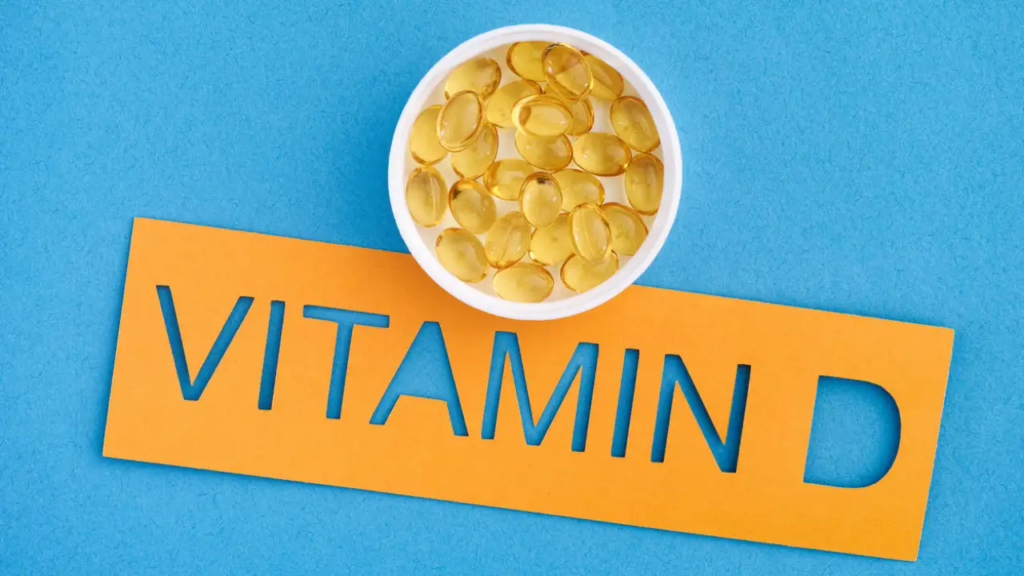
NHS medical professionals have issued an urgent public health warning about vitamin D supplement overdosing after a concerning spike in hospitalization cases related to hypervitaminosis D — a condition causing dangerously elevated blood calcium levels. With approximately 42% of UK adults now taking vitamin D supplements, particularly during the darker winter months when natural sunlight-driven production decreases, doctors warn that excessive intake can cause serious health complications including kidney damage, cognitive impairment, and cardiac problems. Health experts identify four critical warning signs that indicate overdose: persistent thirst and frequent urination, severe nausea and vomiting, unusual fatigue and muscle weakness, and confusion or “brain fog.” The warning comes as recent NHS England data reveals a troubling increase in emergency room visits and hospital admissions for vitamin D toxicity.
The Vitamin D Paradox: Essential Yet Dangerous in Excess
Vitamin D plays a crucial role in human health, regulating calcium and phosphate levels essential for maintaining healthy bones, teeth, and muscles. Government health authorities, including the NHS, recommend vitamin D supplementation during autumn and winter months (October through early March) when reduced sunlight limits the body’s natural production through skin exposure.
However, the paradox emerges from a well-intentioned public health message becoming distorted through excessive supplementation. The NHS recommends just 10 micrograms (400 IU) daily for most adults, with a safe upper limit of 100 micrograms (4,000 IU). Yet doctors report encountering patients taking 10 to 375 times the recommended dose, often combining multiple supplements without realizing the cumulative vitamin D content.
Dr. Sarah Mitchell, consultant endocrinologist at Guy’s and St Thomas’ NHS Foundation Trust, explains: “We’re seeing a disturbing pattern where people believe ‘more is better’ with vitamin D. The supplement industry’s marketing and influencer health advice create dangerous misconceptions. Vitamin D toxicity is real, serious, and increasingly common.”
| Category | NHS Recommendation | Safe Upper Limit | Toxic Level | Cases Observed |
| Adults (general) | 10 μg (400 IU) daily | 100 μg (4,000 IU) | Varies, typically >10,000 IU prolonged | Patients taking 50,000-250,000 IU daily |
| Children 1-10 years | 10 μg (400 IU) daily | 50 μg (2,000 IU) | Much lower threshold | Accidental overdoses reported |
| Infants <1 year | 8.5-10 μg (340-400 IU) | 25 μg (1,000 IU) | Very low threshold | Formulation errors dangerous |
| Blood Level Target | 30-60 ng/mL | Up to 100 ng/mL | >150 ng/mL | Patients with 265+ ng/mL recorded |
The Four Critical Warning Signs of Vitamin D Overdose
NHS doctors have identified four primary symptom clusters that indicate potential vitamin D toxicity. These symptoms typically develop gradually over weeks or months of excessive intake, making early recognition crucial for preventing serious complications.
1. Persistent Thirst and Frequent Urination (Polydipsia and Polyuria)
Excessive vitamin D raises calcium levels in the blood (hypercalcaemia), which triggers increased thirst as the body attempts to dilute calcium concentration. Simultaneously, the kidneys work harder to filter excess calcium, resulting in frequent urination — often every 30-60 minutes, including multiple nighttime bathroom visits disrupting sleep.
Dr. James Chen, nephrologist at Royal Free Hospital, notes: “Patients often dismiss these symptoms as diabetes or simply drinking too much water. However, when accompanied by vitamin D supplementation, it’s a red flag requiring immediate medical assessment.”
2. Severe Nausea, Vomiting, and Loss of Appetite
The gastrointestinal system responds acutely to hypercalcaemia, with many patients experiencing persistent nausea that doesn’t respond to typical anti-nausea remedies. Vomiting may occur after meals, and appetite typically diminishes significantly, leading to unintentional weight loss.
A middle-aged man documented in BMJ Case Reports experienced these exact symptoms after taking 150,000 IU of vitamin D daily (375 times the NHS recommendation) on advice from a nutritional therapist. He lost 28 pounds (12.7 kg) over three months before seeking medical help. Blood tests revealed vitamin D levels seven times higher than sufficiency requirements and dangerously elevated calcium.
3. Unusual Fatigue, Muscle Weakness, and Aches
Paradoxically, while vitamin D deficiency causes fatigue and muscle weakness, so does toxicity. Patients describe overwhelming tiredness that isn’t relieved by rest, muscle aches without physical exertion, and general malaise. The mechanism involves calcium deposits in muscle tissue and metabolic disruptions from hypercalcaemia.
Additional musculoskeletal symptoms include leg cramps, joint stiffness (arthralgia), and in severe cases, bone pain as the body’s calcium regulation system breaks down.
4. Cognitive Symptoms: Confusion, Brain Fog, and Mental Changes
High calcium levels directly affect brain function, producing symptoms ranging from subtle cognitive impairment (“brain fog”) to severe confusion, irritability, mood changes, and in extreme cases, psychosis or altered consciousness. Patients report difficulty concentrating, memory problems, and feeling mentally “off-balance.”
These neurological symptoms represent a medical emergency requiring immediate intervention, as they indicate calcium levels high enough to potentially cause cardiac arrhythmias or seizures.
| Body System | Early Symptoms | Advanced Symptoms | Emergency Signs |
| Renal/Urinary | Increased thirst, frequent urination | Kidney stones, decreased kidney function | Acute kidney injury, complete kidney failure |
| Gastrointestinal | Nausea, loss of appetite | Vomiting, constipation, abdominal pain | Pancreatitis, peptic ulcers |
| Musculoskeletal | Muscle weakness, aches | Severe muscle pain, joint stiffness | Bone fractures, severe pain |
| Neurological | Brain fog, mild confusion | Significant confusion, irritability, depression | Psychosis, coma, seizures |
| Cardiovascular | Slightly elevated blood pressure | Hypertension, irregular heartbeat | Dangerous arrhythmias, cardiac arrest risk |
| Other | Dry mouth, general malaise | Significant weight loss, dehydration | Multi-organ failure |
Why the Surge in Vitamin D Overdoses?
Multiple converging factors explain the concerning increase in vitamin D toxicity cases across the UK:
COVID-19 Legacy: During the pandemic, vitamin D gained attention as potentially protective against severe COVID-19. While research showed associations between deficiency and worse outcomes, many people misinterpreted this as “more vitamin D equals better immunity,” leading to excessive supplementation that continues years later.
Supplement Industry Marketing: High-dose vitamin D supplements (5,000 IU, 10,000 IU, even 50,000 IU capsules) are readily available online and in health stores without prescription. Marketing often emphasizes benefits while downplaying toxicity risks.
Social Media Misinformation: Influencers and alternative health advocates frequently recommend mega-doses of vitamin D, sometimes citing outdated medical literature or misunderstanding dosing guidelines. A viral post in early January 2026 claimed “vitamin D is a super immune vitamin” and recommended 2,000-5,000 units daily as a baseline, with some suggesting up to 50,000 IU.
Supplement Stacking: Many people take multiple supplements containing vitamin D without realizing cumulative intake. A typical regimen might include a multivitamin (400 IU), calcium+vitamin D tablets (1,000 IU), and a standalone vitamin D supplement (2,000 IU), totaling 3,400 IU daily before accounting for fortified foods.
Historical Dosing Confusion: A viral social media post in January 2026 referenced a 1970s pharmacology textbook suggesting “maintenance doses” of 50,000-250,000 IU daily — doses that would cause rapid toxicity under current understanding. This historical anomaly created dangerous confusion about safe levels.
The BMJ Case Report: A Cautionary Tale
A detailed case study published in BMJ Case Reports exemplifies the dangers of vitamin D megadosing. The middle-aged British man, following advice from a nutritional therapist for various health conditions, took a daily supplement cocktail that included:
– Vitamin D: 150,000 IU (375 times NHS recommendation) – Vitamin K2: 100 mg (333-1000 times requirement) – Vitamin C, B-complex, folate: Excessive amounts – Omega-3: 4,000 mg (8-20 times requirement) – Multiple other vitamins, minerals, and probiotics
Despite stopping all supplements when symptoms developed, his condition continued deteriorating. Hospital admission revealed:
– Vitamin D levels: Seven times sufficiency threshold – Calcium levels: Dangerously elevated (hypercalcaemia) – Kidney function: Significantly impaired (acute kidney injury) – Magnesium: Slightly elevated – Weight loss: 28 pounds in three months
Treatment required hospitalization, intravenous fluids, medications to lower calcium, and close monitoring. His kidney function may never fully recover, demonstrating that vitamin D toxicity can cause permanent organ damage.
Expert Guidance: Safe Vitamin D Use
NHS medical professionals emphasize the following evidence-based guidelines for safe vitamin D supplementation:
Who Should Supplement?
Everyone during autumn/winter: NHS recommends 10 μg (400 IU) daily between October and early March when sunlight doesn’t produce adequate vitamin D.
Year-round supplementation for: – People who don’t spend time outdoors – Those who always cover skin when outside – People with dark skin (melanin reduces vitamin D production) – Elderly or care home residents – People with conditions affecting vitamin D absorption
Children and infants: Follow age-specific NHS guidance strictly, as children are more vulnerable to toxicity.
How to Supplement Safely
| Guideline | Recommendation | Why It Matters |
| Stick to 10 μg (400 IU) | Don’t exceed unless doctor-advised | This dose is sufficient for health maintenance |
| Never exceed 100 μg (4,000 IU) | This is the safe upper limit | Above this risks toxicity over time |
| Check all supplement labels | Calculate total vitamin D intake | Avoid accidental doubling from multiple products |
| Sunlight exposure is safe | Cannot overdose from sun | Body self-regulates vitamin D from UV exposure |
| Test if concerned | Blood test measures vitamin D and calcium | Identifies deficiency or excess objectively |
| Medical supervision for high doses | Prescription-strength needs monitoring | Regular blood tests ensure safety |
When to Stop and Seek Help
NHS doctors advise immediately stopping vitamin D supplements and contacting healthcare providers if experiencing:
– Any combination of the four warning signs – Persistent nausea lasting more than a few days – Dramatic increase in thirst or urination – Sudden cognitive changes or confusion – Unexplained weight loss – Severe fatigue not relieved by rest
For urgent concerns, call NHS 111 for guidance. Severe symptoms (significant confusion, cardiac symptoms, inability to keep fluids down) warrant emergency room assessment.
Dietary Sources vs. Supplements
While vitamin D primarily comes from sunlight and supplements, some foods provide modest amounts:
Good sources: Oily fish (salmon, sardines, herring, mackerel), red meat, liver, egg yolks, fortified foods (some cereals, plant milks)
Important note: UK milk is generally NOT fortified with vitamin D unlike in some countries, so don’t rely on milk as a source.
A diversified diet provides vitamin D but rarely sufficient amounts during winter months, which is why supplementation is recommended — but only at safe doses.
The American Perspective: Different Guidelines
Notably, US recommendations differ slightly from NHS guidance. The US suggests 600 IU (15 μg) daily for most adults, rising to 800 IU (20 μg) for those over 70. This discrepancy sometimes confuses international audiences but both recommendations fall well within safe ranges and far below toxicity thresholds.
Some American functional medicine practitioners recommend higher doses (2,000-5,000 IU), creating confusion when their advice spreads via social media to UK audiences following NHS guidelines. Dr. Marc Siegel appeared on Fox News in January 2026 recommending “2,000-5,000 units daily” as protective against severe flu — advice that NHS doctors caution should be evaluated individually rather than adopted universally.
Long-term Effects of Vitamin D Toxicity
Even after stopping excessive supplementation and calcium levels normalizing, vitamin D toxicity can cause lasting damage:
Kidney disease: Calcium deposits in kidney tissue can cause permanent impairment or chronic kidney disease requiring ongoing management.
Cardiovascular effects: Calcium deposits in blood vessels (vascular calcification) increase heart disease and stroke risk.
Bone health paradox: Despite vitamin D’s role in bone health, toxicity can actually weaken bones over time.
Cognitive issues: Some patients report persistent concentration difficulties even after toxicity resolution.
Regulatory and Public Health Response
In response to rising vitamin D toxicity cases, health authorities are considering several measures:
Clearer labeling: Requiring prominent warnings on high-dose supplements (above 1,000 IU per dose) about toxicity risks.
Pharmacist counseling: Training pharmacists to counsel customers purchasing high-dose supplements.
Public awareness campaigns: NHS communications emphasizing “more isn’t better” and reinforcing the 10 μg daily recommendation.
Social media monitoring: Identifying and responding to misleading health claims about mega-dosing.
Updated patient education: GP surgeries receiving materials to discuss supplement safety during routine appointments.
Conclusion: The Balance Between Deficiency and Toxicity
Vitamin D occupies a unique position in public health — simultaneously a nutrient many people lack sufficient amounts of while also being a substance causing increasing toxicity cases. The solution lies in following evidence-based guidelines rather than maximalist approaches encouraged by supplement marketing and social media.
The NHS recommendation of 10 micrograms (400 IU) daily during autumn and winter represents the sweet spot: sufficient to prevent deficiency without risking toxicity. For the vast majority of people, this dose provides all the vitamin D benefits without any danger.
As Dr. Mitchell summarized: “Vitamin D is essential and NHS guidelines exist for good reason. But essential doesn’t mean ‘more is better.’ The current spike in toxicity cases demonstrates we need better public understanding of safe supplementation. When in doubt, follow NHS guidance or consult your GP — don’t take advice from unqualified sources online.”
With 42% of UK adults now taking vitamin D supplements, ensuring safe practices isn’t just individual responsibility but a public health imperative. Recognition of the four warning signs — persistent thirst and frequent urination, severe nausea and vomiting, unusual fatigue and muscle weakness, and confusion or brain fog — can prevent serious complications from becoming permanent damage.