The 5 Most Expensive Lies Casinos Let You Believe About Slot Machines
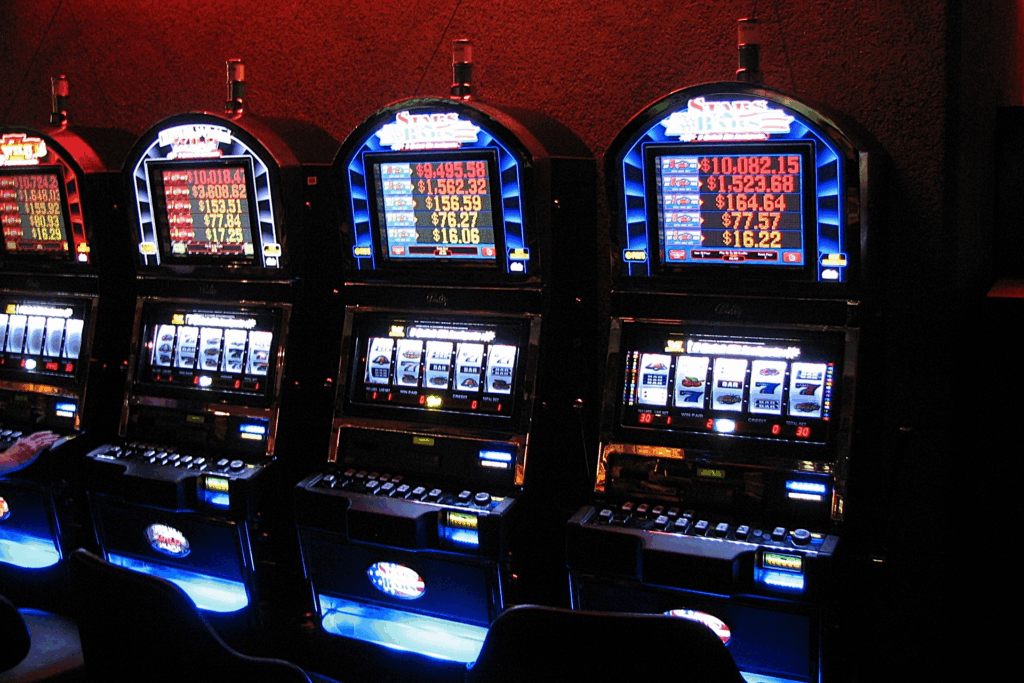
Walk into any casino and eavesdrop on conversations near the slot machines. You’ll hear the same stories repeated endlessly: “This machine is due to hit,” “I always play at 3am when they’re loose,” “Never use your player card or they’ll tighten the odds.”
Every single one is complete nonsense.
But here’s the thing — these aren’t just harmless superstitions people tell themselves for fun. These myths directly cause players to lose more money than they would through normal play. We’re talking tens of billions of dollars annually across the gambling industry.
I’ve watched someone sit at a “cold” machine for six hours convinced it was about to turn hot. Seen players refuse comp cards worth hundreds of dollars because they believed it would hurt their odds. Witnessed people betting triple their normal amount because they thought the machine was “due.”
Let’s tear apart the five most expensive myths and show you exactly how much they’re costing you.
Myth #1: Hot and Cold Machines Are Real
What People Believe:
You’ve probably heard it a thousand times: machines run in cycles. A slot that just paid out big has gone “cold” and won’t hit again for hours. Meanwhile, that machine in the corner hasn’t paid anyone all night — it’s “hot” and ready to blow.
Players build entire strategies around this. They watch machines, waiting for someone to give up after a long losing streak. They abandon games after hitting decent wins. They’ll even ask floor staff which machines are “running hot tonight.”
The Brutal Reality:
Every single spin is completely random. Full stop.
Modern slot machines use Random Number Generators that cycle through thousands of number combinations per second (The Conversation). When you press that button, the RNG doesn’t care what happened on the previous spin, the previous hundred spins, or whether the last player walked away happy or broke.
Think about it logically. If you flip a coin and get heads five times in a row, what are the odds of getting heads on flip six? Still 50/50. The coin doesn’t have a memory. It doesn’t think “wow, I’ve been landing on heads a lot, better switch to tails to even things out.”
Slots work exactly the same way.
What This Myth Costs You:
Let’s say you’re playing $1 per spin. You normally play 300 spins per hour for a 3-hour session. That’s $900 wagered.
But you believe in hot machines, so:
- You increase your bet to $1.50 when you think a machine is hot
- You play an extra hour chasing that “about to blow” feeling
- You jump between machines, losing track of your budget
Real Cost Comparison:
| Your Behavior | Standard Play | “Hot Machine” Play | Extra Cost |
| Bet per spin | $1.00 | $1.50 (chasing hot) | +50% |
| Session length | 3 hours | 4 hours (won’t leave “hot” machine) | +33% |
| Total wagered | $900 | $1,800 | +$900 |
| Expected loss (5% edge) | -$45 | -$90 | -$45 extra |
That’s one session. Monthly players following this pattern burn through an extra $500-600 annually just from hot/cold beliefs.
Multiply that across millions of players, and we’re looking at $4-5 billion in unnecessary losses every year.
How to Actually Pick Machines:
Forget temperature. Check the RTP. A machine with 96% return beats one with 94% return every single time, regardless of recent history.
Myth #2: Timing Your Spins Gives You an Edge
The Fantasy:
This one comes in multiple flavors:
- Pressing the button at precisely the right moment
- Waiting exactly 3 seconds between spins
- Using the stop button to “catch” winning combinations
- Spinning rapidly versus slowly
- Pulling the lever instead of pushing the button
I’ve seen people develop elaborate rituals. One guy used to count to seven between every spin. Another would only play during prime number seconds on the clock (3:03, 5:05, 7:07). A woman once told me she could “feel” when the machine was ready and would wait for that sensation before spinning.
The Cold, Hard Truth:
The result is determined the microsecond you press that button (Emory Wheel). The spinning reels you’re watching? Pure theater. Entertainment. The RNG already calculated your outcome before the first reel even started moving.
Pressing stop doesn’t change anything. It just reveals the predetermined result faster. You might as well try to influence a coin flip by catching it midair — the outcome was set the moment it left your thumb.
What Makes This Especially Dangerous:
Unlike the hot/cold myth that mainly wastes time, timing myths directly increase your loss rate by encouraging faster play.
The Velocity Problem:
| Playing Style | Spins Per Hour | Hourly Wager ($1/spin) | Expected Loss (5% edge) |
| Relaxed pace | 250 spins | $250 | -$12.50 |
| Normal speed | 400 spins | $400 | -$20 |
| Rapid timing attempts | 600+ spins | $600+ | -$30+ |
Players convinced timing matters often play 50-70% faster trying to hit that “perfect moment.” You’re not improving odds — you’re just losing money quicker.
The Scam Industry:
Worse, this myth spawned a parasitic industry selling “slot timing systems.” Products range from $50 ebooks to $300 video courses teaching “secret timing techniques.”
All complete fraud.
Anyone selling you a slot system is selling you bullshit. The $300 you spend on their course? That’s your first loss before you even reach the casino.
Annual Damage:
Conservative estimate: $3.5 billion. That includes both the snake oil products people buy and the accelerated losses from playing faster while chasing timing fantasies.
Myth #3: Casinos Loosen Slots During Off-Peak Hours
The Story:
This myth has remarkable persistence. Players genuinely believe casinos tighten machines when the floor is packed (weekends, evenings) and loosen them Tuesday at 4am to attract the sparse crowd.
Some versions claim real-time adjustment based on how many people are playing. Others insist new machines are set loose to build buzz, then tightened after a few weeks.
What Actually Happens:
Machines maintain the same RTP 24/7/365. Independent researchers compared weekend versus weekday slot performance across multiple Las Vegas casinos and found zero measurable difference (Easy Vegas).
Why This Myth Makes No Sense:
Even if casinos could easily toggle tightness (which modern systems technically allow), why would they bother?
Think it through. If they supposedly tighten machines to 92% on busy Saturday nights, they could just set everything to 92% permanently. Players can’t feel the difference due to variance. The house makes more money with tighter configurations regardless of traffic.
The reality? Each machine gets set to a specific RTP based on denomination, location, and operator strategy. That setting stays constant unless they do a major reconfiguration — which requires regulatory paperwork, machine downtime, and management approval.
Not something they’re doing hourly based on foot traffic.
The Regulatory Reality:
Nevada law actually prohibits dynamic odds adjustment. Machines must:
- Stay inactive minimum 4 minutes before configuration changes
- Display service messages during adjustments
- Document every change for regulators
You think casinos risk their licenses for marginal gains from hourly tinkering? Not a chance.
What This Costs:
This myth hurts more through wasted effort than direct losses:
- Extra trips to casino during “optimal” times
- Travel expenses for nonexistent advantages
- Reduced play during actually convenient hours
- General distrust that hurts enjoyment
Collectively, probably $300-400 million annually in wasted time and travel pursuing vapor.
Myth #4: Player Cards Make You Lose More
The Paranoia:
This might be the most frustrating myth because it costs players guaranteed value while providing zero benefit.
The theory: Insert your rewards card, and the casino tightens your odds. The machine “knows” you’re building comp points and prevents big wins to limit their rewards liability.
Variations include:
- “They only give you big wins when you’re NOT using the card”
- “Once you hit a certain comp level, they tighten all machines you play”
- “The card reader communicates with the RNG to control payouts”
The Truth:
Player cards cannot affect game outcomes. Period. They’re physically separate systems (GamblingSites.com).
The card reader tracks your play to calculate rewards. That’s it. It monitors bet amounts and time played. It has zero connection to the RNG determining whether you win or lose.
This is like believing your grocery store loyalty card makes the milk spoil faster.
What You’re Throwing Away:
Here’s what refusing the card actually costs you:
Annual Value for $50,000 Yearly Action:
| Benefit Type | Typical Value |
| Cash back (0.1-0.3%) | $50-150 |
| Free play credits | $400-800 |
| Hotel comps | $600-1,500 |
| Meal vouchers | $300-500 |
| Birthday/special promos | $200-400 |
| VIP event access | $100-300 |
| Total you’re rejecting | $1,650-3,650 |
That’s free money. Literally. You’re voluntarily leaving $1,500-3,500 on the table every year because of a myth.
Who Benefits from This Myth?
I genuinely wonder if casinos started this rumor themselves. Think about the incentive structure:
- Casino saves millions in unpaid comps
- Players still lose the same amount
- Casino reputation doesn’t suffer (players blame themselves)
It’s the perfect myth from a casino’s perspective. Convince customers to refuse free benefits while maintaining identical play patterns.
Industry-Wide Cost:
Across millions of players, this myth probably costs $3.5 billion annually in voluntarily forfeited rewards and benefits.
Just use the damn card.
Myth #5: Machines Become “Due” After Losing Streaks
The Gambler’s Fallacy:
This is the most psychologically powerful and financially devastating myth. Players genuinely believe slots must eventually pay to maintain advertised RTP, therefore extended losses make wins increasingly likely.
It manifests as:
- “I’ve lost $500 on this machine, it HAS to hit soon”
- “Nobody’s won on this slot all day, it’s ready to blow”
- “The progressive jackpot is at a record high, it’s definitely going to hit”
The Mathematical Reality:
Every spin has identical odds regardless of history (Cision). A machine could theoretically go years without hitting its jackpot. Or hit it three times in one afternoon. Both are possible, however unlikely.
RTP calculates across millions of spins. Your session of 500 plays represents meaningless sample size. The machine will reach its programmed percentage after 10-50 million spins. Your individual experience means nothing to those statistics.
Simple Example:
Imagine a slot with 1-in-1,000 jackpot odds.
On spin 999: What are your odds? 1-in-1,000 On spin 1,000: Still 1-in-1,000 On spin 5,000: Still 1-in-1,000
The machine doesn’t count. It doesn’t think “wow, I haven’t paid in a while.” Each spin is independent.
Why This Destroys Bankrolls:
This myth encourages the exact behavior casinos profit from most: extended play chasing losses.
The Damage Pattern:
| Stage | Player Thinking | Actual Result |
| Down $200 | “Getting close to a hit” | Continues losing |
| Down $400 | “Definitely due now” | Still losing |
| Down $600 | “Can’t stop, it’s about to hit” | Deeper losses |
| Down $900 | “Too invested to quit” | Approaching broke |
Research shows approximately 50% of slot revenue comes from the 3-4% of players with gambling problems (The Conversation). These vulnerable individuals disproportionately believe “due” myths, sustaining marathon sessions that generate outsized profits.
Real Consequences:
This isn’t just about money. The “due” fallacy contributes to genuine harm. People miss work, neglect families, borrow money they can’t repay — all because they’re convinced the next spin will be the one that pays back everything.
Annual Cost:
This single myth probably drives $15-20 billion in additional losses annually compared to disciplined play with predetermined limits.
The Real Numbers: How Much Are These Myths Costing?
Let’s add it up:
| Myth | Annual Industry Cost |
| Hot/Cold Machines | $4-5 billion |
| Timing Tricks | $3.5 billion |
| Time-Based Looseness | $400 million |
| Card Avoidance | $3.5 billion |
| “Due” Jackpots | $15-20 billion |
| Total Premium | $26.9-32.4 billion |
These aren’t the normal losses from house edge. This is the extra cost of believing myths — the premium paid through:
- Playing longer than planned
- Betting more than comfortable
- Refusing available value
- Chasing nonexistent patterns
Thirty billion dollars. Every year. Just from misconceptions.
What Actually Matters (And What Doesn’t)
Let’s be clear about what affects your outcomes:
Factors That Actually Matter:
✅ Machine RTP — The single most important variable you can control
✅ Volatility — High vs. low variance affects session experience
✅ Bankroll management — Set limits, enforce them
✅ Bet sizing — Stay proportional to your budget
✅ Game selection — Some titles are demonstrably better than others
Things That Don’t Matter At All:
❌ What time you play
❌ What day of the week
❌ Whether the previous player won or lost
❌ How fast or slow you spin
❌ Using or avoiding reward cards
❌ The machine’s physical location
❌ Pulling handle vs. pushing button
❌ The phase of the moon, your horoscope, or wearing lucky socks
How to Actually Protect Yourself
1. Understand RNG Technology
Truly internalize that every spin is random and independent. If you genuinely accept this, most myths automatically become obviously false.
2. Always Use Reward Cards
Free money is free money. Anyone telling you otherwise is either ignorant or actively trying to hurt you.
3. Check RTP Before Playing
Access game information screens. Look for machines disclosing 95%+ returns. Walk away from anything less or anything that won’t tell you.
4. Set Limits Before You Start
Decide your maximum loss before the first spin. When you hit that number, leave immediately. No exceptions. No “just one more spin.”
5. Recognize Your Own Cognitive Biases
When you catch yourself thinking “this machine is due” or “I can feel it’s ready,” stop. That’s your brain lying to you. It’s pattern-seeking machinery misfiring on random data.
6. Never Buy Systems
Any product claiming to beat slots is a scam. Every. Single. One. Save your money.
Why Casinos Don’t Correct These Myths
Notice something? Casinos rarely go out of their way to debunk these fallacies.
Why would they? These myths:
- Keep people playing longer
- Encourage higher bets
- Reduce comp program costs
- Generate revenue from preventable mistakes
Some jurisdictions require transparency. Others let players learn through expensive experience.
The industry isn’t your friend. It’s a business maximizing profit from information asymmetry. The gap between what they know and what you know translates directly to their revenue.
The Bottom Line
Slot machines are entertainment products with known costs. The house edge ensures casinos profit. That’s fine — it’s the business model you’re choosing to participate in.
What’s not fine: paying a 30-50% premium through myth-driven behavioral changes.
These five fallacies aren’t harmless folklore. They cost billions. They drive poor decisions. They exploit cognitive biases for profit.
The solution? Education. Understanding actual mechanics eliminates most myths automatically. Recognizing your own biases prevents the rest.
Casinos bank on you not knowing better. Prove them wrong.
Stop believing myths. Start playing informed. Your wallet will thank you.