UK Local Elections May 2026: Full Betting Preview
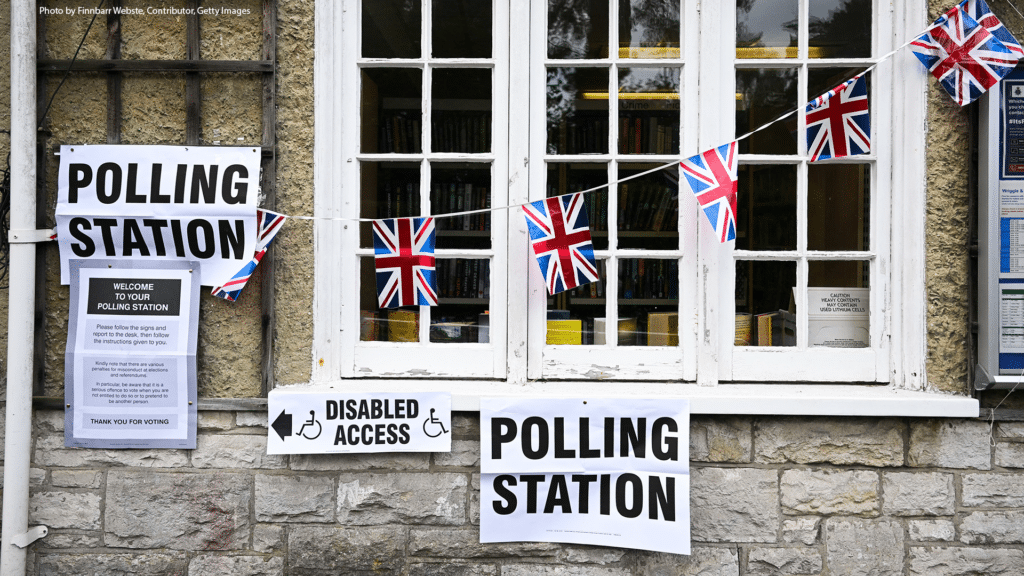
Nine weeks from now, 4,851 council seats across 134 English councils go to the vote. Reform UK are 3/10 favourites to win the most seats nationally. Labour sit at 5/1. The Conservatives are 6/1. Those prices reflect something significant: a betting market that believes the May 7 local elections will deliver the most dramatic realignment in English local government since the 1990s. For political bettors, this isn’t just a side event. Every leadership market, every general election price, and every exit date bet resolves differently depending on what happens on the night of May 7.
This is what you need to know before placing a position.
What’s Actually Being Voted On
The scale of this election is bigger than most people realise.
4,851 council seats across 134 councils are up for election on May 7. That includes all 32 London borough councils, 32 metropolitan boroughs across England’s major cities, 15 unitary authorities, two county councils and 25 district councils. The government had originally planned to delay elections in 30 areas undergoing local government reorganisation – a decision Reform challenged in the high court. On February 16, the government reversed course entirely, adding over 600 extra seats back into the ballot.
That U-turn itself shortened Starmer’s exit odds. It was framed as a government climbdown under legal pressure from the main opposition party. The political optics of a prime minister being forced to hold elections he tried to postpone handed Reform a free news cycle two months before polling day.
Turnout in local elections runs between 30% and 40%. That low base makes results more volatile than national polling suggests – small shifts in motivated voters can flip councils that look safe on paper.
The Odds and What They Mean
Reform at 3/10 is an implied probability of over 75% to win the most seats nationally. Nigel Farage has pledged to spend “every single penny in the bank account” – over £5 million – on a direct mail and social media campaign targeting the 4,348 seats originally expected to be contested. He called May 7 “the single most important event before the next general election.”
Labour at 5/1 and Conservatives at 6/1 are not competing for first place. They’re competing to limit the damage.
The seat projections from PollCheck’s ward-level modelling tell the underlying story in detail. Most of the seats up in 2026 were last contested in 2022, when Labour polled around 35% nationally. Labour now polls around 20%. The party is projected to lose heavily in northern metropolitan boroughs – Tameside, Stockport, Bolton, Oldham – all of which are currently Labour-controlled. In Greater Manchester alone, all 10 councils are up for election and Labour leads nine of them. Holding that position against Reform’s surge is the core challenge.
Reform, by contrast, were near-zero in local government in 2022. They are projected to take control of county councils in Essex, Norfolk and Suffolk – rural English heartlands where the party has never previously competed. That would be a genuine realignment, not just a protest vote.
📊 Key Stat: 37 – the number of councils projected to change control on May 7, according to PollCheck’s ward-level modelling based on current Westminster polling. (Source: PollCheck 2026 Local Election Projections)
“Reform are the party to beat in the 2026 UK Local Elections. The 3/10 price this far out from polling day shows just how strongly the market views their prospects.” – OLBG political betting analysis, February 17 2026
May 7 is the single biggest near-term catalyst for every UK political betting market. Before the night arrives, here’s where the deepest odds and most liquid local election markets are:
BetPortal Amunbet Fortunica VegasNova Highspin West Ace











Three Councils That Will Set the Narrative
The overall national seat count matters for the market. But three specific stories will dominate the television coverage on election night – and those stories move the national odds before the full count is in.
Greater Manchester. All 10 councils voting by thirds. Labour currently leads nine of them. A Reform wave through councils like Tameside and Oldham – traditional Labour strongholds – triggers the specific headline that damages Starmer most: “Labour loses its Northern heartlands.” That single narrative, landing around midnight, is what financial traders watch when they’re positioning on Starmer’s exit date.
Essex county councils. PollCheck projects Reform taking control of councils in Essex that have been Conservative for decades. If that projection holds, it means Reform isn’t just taking Labour votes in the North – it’s taking Conservative votes in the Home Counties simultaneously. Both parties losing in the same night to the same party is the worst possible result for the general election market and immediately shortens Reform’s chances of a national majority.
Inner London boroughs. The Greens are polling at 12-14% nationally under new leader Zack Polanski and are a genuine factor in urban Labour-held seats. A Green gain in inner London – Hackney, Islington, even Southwark – lands as a second story running parallel to the Reform surge. That double narrative of Labour losing left and right simultaneously is the one that’s hardest to survive as a sitting government.
How This Changes Every Other Market
The local election result on May 7 is not just a result. It’s a pricing event for every political market that follows.
Starmer exit date. Currently 4/6 to leave before September. A catastrophic night – Labour losing 400-plus seats, losing council control across the North – removes his last viable argument for staying. The before-September price moves to odds-on within hours of counting finishing. Several sitting MPs have privately indicated that a resignation framed around electoral defeat is cleaner than a coup. May 7 gives Starmer’s internal enemies a specific event to point at.
Angela Rayner leadership odds. At 9/4 she is already the frontrunner. If the succession becomes live in May or June, the contest opens immediately and her price shortens fast. Watch whether she makes any high-profile appearances in Greater Manchester councils on the night – a Deputy PM turned visible opposition figure while Starmer is blamed for the result is a textbook leadership-in-waiting move.
Badenoch exit odds. At 8/11 to leave in 2026, she needs a strong Conservative performance to buy time. If the party finishes third nationally – behind both Reform and Labour in total seat gains – the no-confidence letters start arriving. The threshold is 36 MPs. Reports suggest a dozen were already written before campaigning started.
General election winner. Reform at 15/8 and Labour at 13/8 are nearly even. A Reform landslide on May 7 shortens them in the general election market without Labour having done anything to improve their own position. A Reform underperformance – particularly if Restore Britain visibly splits the vote in several councils – would extend the drift that started in February and make Labour’s 13/8 look even more attractive.
The Counterargument – Local Elections Are Not General Elections
It’s worth stating the caution clearly because the betting market sometimes prices local results as if they’re direct previews of national votes. They aren’t.
Local turnout averaging 35% means a highly motivated minority drives the result. Reform’s base – older, more politically engaged, more likely to post on social media and actually turn up on a Thursday – performs above its national polling share in low-turnout environments. That’s partly why the market prices them so heavily. It’s also why general election projections built on local results tend to overstate Reform’s national share.
The Institute for Government noted that in Greater Manchester, elections are held by thirds, which naturally limits large political swings. A third of each council’s seats up means a Reform surge translates into fewer council flips than an all-up election would deliver. The seat projection headlines may be less dramatic than the vote share suggests.
And Reform’s existing councils have a record problem. Four of the five Reform-led local authorities have proposed 5% council tax rises – the maximum permitted – having failed to deliver the spending cuts they promised. That’s a gift to Labour and Conservative campaign leaflets in every council Reform currently holds.
What to Back and When
The market is telling you Reform wins most seats nationally at 3/10. That’s an 18-month trend of dominant polling, Farage’s personal commitment of £5 million, and a seat map that was last contested when Labour polled 15 points higher. At 3/10 there’s thin value for a bet placed today. The price is short for a reason.
The value is in the secondary markets that haven’t fully priced in the local election consequences yet.
Starmer before September at 4/6 – if May 7 lands as badly as the projections suggest, that resolves within weeks. Angela Rayner at 9/4 – she needs Starmer to go, and the local elections are the most likely trigger. Reform to win the most seats at the general election at 15/8 – a strong May result closes the gap further.
The seats are counted on the night of May 7. Most English councils report within a few hours of polls closing at 10pm. By midnight, the narrative is set. By breakfast on May 8, the leadership odds will have moved.
That’s nine weeks away. Everything you back before that night is bought at today’s prices.