Nigel Farage: The Brexit Architect Who Changed Britain – Biography, Controversies and Views on Betting Industry Regulation
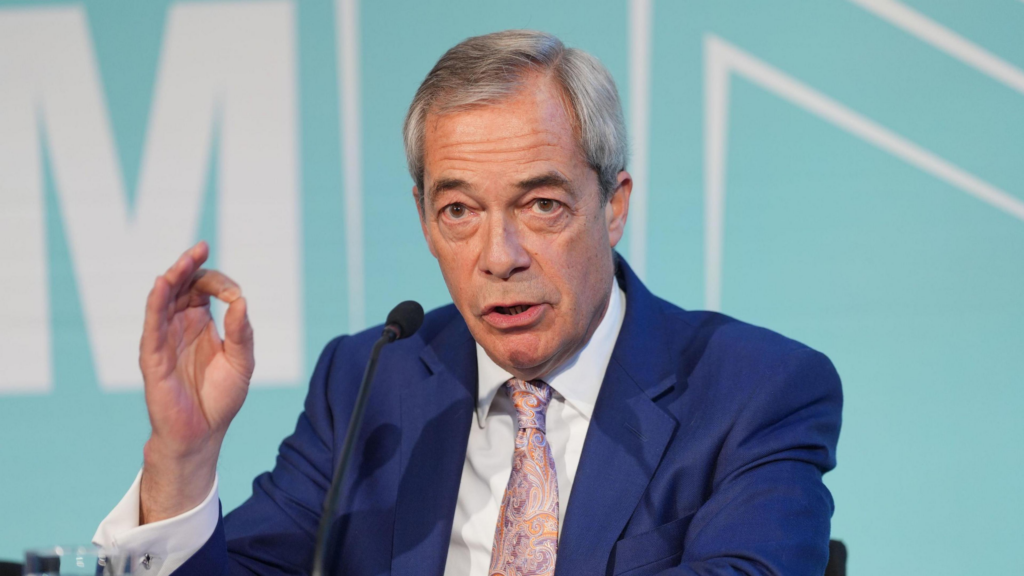
Think Nigel Farage is just another politician? Wrong. In December 2025, Reform UK leads national polls at 25–36%, with Farage ahead of Prime Minister Keir Starmer as voters’ preferred choice for the top job Al JazeeraIpsos. That’s a comeback story nobody saw coming after Brexit supposedly killed his career. The man who dragged Britain out of the EU now threatens to upend the entire political order – again.
Here’s what makes this relevant: bookmakers price Farage at evens to become Prime Minister before 2040. Meanwhile, his stance on betting regulation puts him squarely against tighter controls, calling them “anti-fun” puritanism. When Chancellor Rachel Reeves floated gambling tax hikes in November 2025, Farage warned it would “close hundreds, maybe thousands” of betting shops Left Foot Forward.
This matters beyond Westminster gossip. If Reform UK wins power – a genuine possibility given current trajectories – Britain’s £15 billion gambling sector faces a dramatically different regulatory future. No stake limits. No levy increases. Just “freedom of choice” pushed to its limit.
I’ll show you how a City commodities trader became Europe’s most divisive populist, what his actual gambling policies look like stripped of spin, and why betting markets now treat him as a serious contender. No fluff about “remarkable journeys” – just the timeline, the controversies, and the stakes.
From Dulwich to the Trading Floor: Early Years Nobody Talks About
Nigel Paul Farage arrived on 3 April 1964 in Farnborough, Kent. His father Guy worked as a stockbroker, his mother Barbara stayed home. Standard middle-class suburban childhood until it wasn’t – Guy Farage struggled with alcoholism and left when Nigel turned five. According to a 2012 BBC Radio 4 profile, the family split profoundly shaped Farage’s later self-reliance and outsider mentality Wikipedia.
He attended Dulwich College, an independent school in South London known for producing establishment figures. Farage wasn’t one of them. Teachers remember him as charismatic but rebellious – less interested in academia, more focused on school politics and debating. One former classmate alleged racist behaviour during those years, claims Farage has categorically denied.
After leaving Dulwich in 1982, Farage skipped university entirely. Instead, he walked straight into the City of London as a commodities trader. Started at the London Metal Exchange, handling deals on copper, lead, zinc. The work suited his temperament – high-pressure, confrontational, rewarding quick thinking over formal credentials. He’d spend twenty years in that world, making decent money but never becoming a titan.
Early Political Awakening
| Year | Event | Impact |
| 1978 | Joined Conservative Party (age 14) | Standard Tory youth membership |
| 1989 | Voted Green Party | Single-issue: their eurosceptic stance |
| 1992 | Left Conservatives over Maastricht Treaty | John Major’s European integration angered him |
| 1993 | Co-founded UKIP | Anti-federalist activism turned party building |
That 1992 break matters most. The Maastricht Treaty created the European Union and deepened Britain’s integration. For Farage, this wasn’t policy disagreement – it was betrayal of sovereignty. He quit the Tories and joined the Anti-Federalist League, which morphed into the UK Independence Party.
Think about the timing. This was peak “end of history” optimism, when everyone assumed the European project would roll forward unopposed. Opposing it marked you as a crank. Farage didn’t care. He’d found his mission.
The Long March Through Institutions: UKIP Years
Farage won his first European Parliament seat in 1999 for South East England. The role gave him a platform he weaponised brilliantly. While other MEPs filed reports and attended committees, Farage turned speeches into viral moments – decades before social media existed.
His routine: mock EU officials to their faces, get ejected from chambers, generate headlines. Called European Council President Herman Van Rompuy “damp rag” and someone with “the charisma of a bank clerk”. Told European Commission President José Manuel Barroso that he had “the moral right of a brothel keeper”. Parliamentary decorum this was not.
UKIP Leadership Periods:
- 2006–2009: First leadership stint. Took UKIP from fringe irritant to 16.5% in 2009 European elections – second place, ahead of Labour.
- Buckingham Gamble (2010): Challenged Speaker John Bercow in his own seat. Political suicide move backfired – Farage got just 17.4% and nearly died when a banner-towing plane he was in crashed on election day. Seriously injured but survived.
- 2010–2016: Returned as leader. Transformed UKIP into a national force. 2014 European elections: UKIP won, topping the poll with 26.6%. First time in over a century a party other than Labour or Conservatives won a UK-wide election.
The strategy worked because Farage understood something political scientists didn’t – immigration anxiety wasn’t going away. While Labour and Tories pretended concern over numbers made you racist, UKIP voters felt validated. By 2015, UKIP secured 3.8 million votes (12.6%) despite Britain’s electoral system giving them just one MP.
For detailed analysis of how political betting works, check out our UK Political Betting Guide 2025, which breaks down odds calculation and strategy.
Brexit: The Campaign That Rewrote Everything
The 2016 EU referendum wasn’t supposed to be close. David Cameron called it expecting easy victory. Polls showed Remain ahead. Betting markets priced Leave at 3-to-1 against.
Farage led the charge anyway. His approach differed from the official Vote Leave campaign run by Dominic Cummings – where they talked trade deals and sovereignty in abstract terms, Farage made it visceral. Immigration. Control. Identity.
The infamous “Breaking Point” poster showed a queue of Syrian refugees with text: “Breaking point: the EU has failed us all”. Critics from both sides called it xenophobic. Farage defended it as factual. The row dominated news cycles for days, which was precisely the point.
Referendum Night Timeline:
| Time | Event | Markets Reaction |
| 10pm | Polls close, early surveys show Remain win | Pound rises to $1.50 |
| 12:30am | Sunderland declares huge Leave vote | Pound drops sharply |
| 4:40am | Leave clearly ahead | Sterling crashes to $1.33 |
| 7am | Leave wins 52% to 48% | Biggest one-day fall since 1985 |
Farage addressed supporters before the final result: “Let June 23rd go down in history as our Independence Day!” Within hours, David Cameron resigned. Within days, Farage resigned as UKIP leader (again), saying his “political ambition has been achieved”.
Looking back, that resignation looks naive. Brexit had to be delivered, defended, potentially softened or hardened. Farage walked away from the battle he’d spent 25 years preparing for. Why? Some suggest exhaustion. Others point to his disinterest in governance versus campaigning. Either way, he left UKIP to decline into infighting and eventually far-right irrelevance.
The Wilderness Years: Media Career and False Starts
From 2017 to 2024, Farage operated outside Parliament. He hosted a radio show on LBC (2017–2020), appeared as a paid contributor on Fox News, and generally monetised his Brexit celebrity. Critics called it grifting. Supporters said he deserved to cash in after working for decades on MEP salaries.
In 2019, he couldn’t resist another roll of the dice. Theresa May’s government had negotiated a Brexit deal many Leavers hated – too soft, too compromised. Farage launched the Brexit Party to contest European elections (Britain was forced to participate due to Brexit delays). Result: Brexit Party won with 30.5%, humiliating both main parties. May resigned days later.
But the Brexit Party’s Westminster prospects remained unclear. In the December 2019 general election, Farage made a crucial decision – he stood down Brexit Party candidates in seats the Conservatives held, fearing a split vote would let Labour win. Boris Johnson’s Tories won a landslide. The Brexit Party got 2% and zero MPs.
By 2020, with Brexit delivered and COVID dominating politics, Farage renamed his party Reform UK and focused on lockdown scepticism. Membership dwindled. Relevance faded. Political obituaries were written.
Those obituaries aged poorly.
2024: The Comeback Nobody Expected
On 3 June 2024, Farage shocked Westminster by announcing he’d lead Reform UK into the July general election and stand in Clacton-on-Sea. His eighth attempt to become an MP. Bookmakers offered long odds.
Clacton made sense strategically – a declining Essex seaside town, 95% white, Brexit-voting, economically deprived. Farage’s message resonated: immigration was still too high, mainstream parties still ignored you, establishment politicians still lied.
He won with 46% of the vote. Not close – a 21-point victory margin. Reform UK also took four other seats: Lee Anderson in Ashfield, Richard Tice in Boston & Skegness, Rupert Lowe in Great Yarmouth, James McMurdock in South Basildon & East Thurrock.
More importantly, Reform UK secured 14.3% of the national vote – 4.1 million people. Under proportional representation, that would’ve been 90+ MPs. Under first-past-the-post, they got five. But the Conservative collapse (down to 121 MPs from 365) showed what happened when the right split.
Want to understand how Reform UK’s rise affected betting markets? Read our Betfred Politics guide for real-time odds tracking.
The Man Behind the Politics: Personal Life and Persona
Farage maintains a carefully curated public image – the “man of the people” who drinks pints in Working Men’s Clubs and smokes outside Westminster. Calculated authenticity.
Personal Details:
- Residences: Lives in Single Street, Bromley (hamlet in outer London). Also reportedly owns properties elsewhere.
- Marriages: First to Irish nurse Gráinne Hayes (1988–1997, two children). Second to German Kirsten Mehr (1999–present, two children).
- Health: Survived testicular cancer and the 2010 plane crash. Heavy smoker. Frequently pictured with pint glass.
- Wealth: Estimated net worth £4 million. MEP pensions, speaking fees, media contracts.
The irony of a eurosceptic leader married to a German isn’t lost on critics. Farage rarely discusses his family, keeping them out of the spotlight. His public persona is relentlessly political – few hobbies mentioned, no artistic interests revealed. Politics is the product.
Farage and Gambling: The “Save Our Bets” Alliance
This is where Farage’s worldview intersects with betting regulation, and it’s not subtle.
In November 2025, Chancellor Rachel Reeves prepared the Autumn Budget amid speculation about gambling tax increases. The industry panicked. Betfred warned all 1,300 shops could close. The Betting and Gaming Council mobilised. The Sun newspaper launched “Save Our Bets” – a full-throated defence of betting shops and punters’ freedom.
Farage jumped in immediately. In a speech to small businesses, he declared that bookmaker shops are “one of the things in the high street that does still survive” and provide social value as places where “lonely people” can “go in and meet people” Left Foot Forward. He acknowledged 2.7% of adults struggle with problem gambling but dismissed this as a “minute percentage” that doesn’t justify “masses of new regulation”.
Farage’s Core Gambling Arguments:
- Economic: Tax hikes will close shops, destroy jobs, push gambling to unregulated offshore operators or black market bookies.
- Social: Betting shops serve as community hubs, especially in working-class areas. Closure = further high street decline.
- Freedom: A Conservative position wrapped in populist language – government shouldn’t tell adults what they can’t do with their money.
- Class warfare: Regulations target working-class betting culture while ignoring middle-class financial speculation or stock market gambling.
Writing for The Sun, Farage framed it as Labour snobbery: “This is the modern puritanism of the middle-class Labour Party who believe working people cannot be trusted to have a bet or a pint without turning into addicts.”
He specifically defended arcades and seaside amusements in his Clacton constituency, where tourism and gaming venues are economically vital. Reference to “fun to millions” directly challenged Labour’s harm-reduction framework. In Farage’s view, 1.4 million problem gamblers don’t justify restricting 22 million weekly punters.
What Farage Opposes:
- ❌ Online gambling tax increases
- ❌ Stake limits on slots (£5 for adults 25+, £2 for 18-24)
- ❌ Mandatory affordability checks
- ❌ Statutory levy on operators (calls it “just another tax”)
- ❌ Restrictions on advertising (“nanny state overreach”)
- ❌ Local authority veto powers over new betting shops
The stance aligns perfectly with his broader ideology – anti-regulation, anti-“expertise”, pro-market, pro-individual choice. It’s also politically smart. Betting shops cluster in working-class Brexit-voting areas – Reform UK’s exact demographic.
Dawn Butler MP criticised Farage’s position as “deeply irresponsible”, noting that people in adult gaming centres “aren’t there to make friends – they’re often isolated, anxious and fixated on machines designed to keep them playing and losing” Left Foot Forward.
For betting enthusiasts interested in political markets, explore William Hill Political Betting for strategies and odds breakdowns.
The George Cottrell Scandal: When Gambling Hits Close to Home
In December 2025, High Court documents revealed explosive allegations about George Cottrell, a close Farage associate and Reform UK insider. Court filings claim Cottrell acted as a frontman for the Starlizard Betting Syndicate, allegedly run by Brighton FC owner Tony Bloom and generating around £600 million annually.
Allegations Summary:
- The Setup: High-stakes bettors often face account restrictions or bans when bookmakers identify them as consistently profitable. Solution: use “whales” or frontmen whose accounts place bets on behalf of the syndicate.
- Cottrell’s Role: Court documents allege he “gave control of his betting accounts to Mr Bloom and the Syndicate” without needing to physically place bets himself.
- The Deal: Cottrell allegedly received 33% of any winnings with losses covered by Bloom – a “risk-free” profit share arrangement.
- The Amounts: Ryan Dudfield, who brought the lawsuit, claims he’s owed £13.2 million from an alleged 7% profit-share entitlement.
Neither Cottrell nor Bloom has filed formal defences to the claims. The lawsuit remains ongoing. For Reform UK, the timing is terrible – just as the party tries to position itself as mainstream and Farage defends gambling industry interests, his inner circle faces allegations of exploiting loopholes in exactly the system he claims needs less regulation.
The irony isn’t subtle: Farage opposes regulations that prevent sharp bettors from being restricted, while his associate allegedly helped circumvent those very restrictions using syndicate arrangements. Critics pounced. Defenders noted no criminal wrongdoing is alleged – professional gambling syndicates are legal, even if ethically murky.
Reform UK’s Surge: Polling Data and 2025 Trajectory
The numbers tell a remarkable story. In July 2024, Labour won a landslide. Six months later, polls showed collapse.
Key Polling Milestones:
| Date | Reform UK | Labour | Conservatives | Source |
| July 2024 | 14% | 34% | 24% | Actual election result |
| January 2025 | 25% | 26% | 22% | YouGov |
| February 2025 | 25% | 24% | 21% | YouGov (first Reform lead) |
| October 2025 | 34% | 22% | – | Ipsos |
| November 2025 | 36% | – | – | Projected peak |
What changed? Labour’s winter fuel payment cuts angered pensioners. Employer national insurance hikes antagonised business. Persistent small-boat crossings undermined claims of immigration control. Meanwhile, Starmer’s approval plummeted to −49%, making him the most unpopular PM since records began.
Farage’s personal favourability also improved dramatically – from −30% in July 2024 to −16% by November 2025. Still underwater, but trending up while Starmer drowns. When Ipsos asked “Who would you prefer as Prime Minister?”, Farage (33%) beat Starmer (30%) for the first time.
One MRP projection suggests Reform UK would win 445 seats if an election were held in late 2025 – the largest majority in modern British history, surpassing even Tony Blair’s 1997 landslide.
Obviously, polls this far from an election (2029 is scheduled) require caution. Governments recover. Events intervene. But the trend is undeniable – Farage went from political has-been to kingmaker to potential Prime Minister in eighteen months.
Betting markets reflect this. Bookmakers price Farage at 7/4 (36.4% implied probability) to become PM before 2040. Reform UK trades as favourites to win most seats at the next election. These odds have tightened dramatically since summer 2024.
Curious about how betting apps work for political markets? Check our Betting Apps UK guide for safety and strategy tips.
Controversies: A Politician Built on Division
Farage doesn’t just attract controversy – he weaponises it. His career is a masterclass in calculated provocation. Some examples:
Immigration Rhetoric: The “Breaking Point” poster. Claims that Romanians make bad neighbours. Suggestions that Muslims don’t share British values. Each statement triggered outrage, dominated news cycles, and reinforced his outsider status.
NATO and Ukraine: In 2024, Farage claimed the West “provoked” Putin’s invasion of Ukraine by expanding NATO eastward. Even Conservative opponents called this pro-Kremlin apologism. Farage insisted he was simply stating historical fact.
Racism Allegations: In November 2025, a former Dulwich College classmate alleged Farage displayed racist behaviour during school years, including singing racist songs. Farage denied the claims, calling them politically motivated smears.
Anti-Semitism Concerns: Reform UK has struggled with candidate vetting. Several prospective MPs made antisemitic or Islamophobic comments before being dropped. Critics question whether Farage’s movement attracts extremists or simply fails to police them.
The Elon Musk Drama: In January 2025, Musk – previously supportive – publicly called for Farage to resign as Reform UK leader, tweeting “Farage doesn’t have what it takes”. The spat emerged after Farage distanced himself from Musk’s support for far-right activist Tommy Robinson. Days later, Farage called Musk a “heroic figure” and claimed they’d mended fences. Whether promised donations materialised remains unclear.
Fox News and Trump Alliance: Farage appeared regularly on Fox News, spoke at Trump rallies, and attended Trump’s election night party in November 2024. Critics accuse him of importing American-style culture war politics. Supporters see trans-Atlantic populist coalition-building.
Each controversy follows a pattern – Farage says something provocative, media erupts, opponents demand apologies, supporters rally around him. The cycle repeats endlessly. It’s exhausting for critics and energising for fans.
What Farage Actually Believes: Policy Platform Analysis
Strip away the personality and look at Reform UK’s policy platform:
Immigration:
- Net-zero migration target
- Freeze on “non-essential” immigration (deliberately undefined)
- Leave European Convention on Human Rights to enable deportations
- “Stop the boats” – turn back small boats crossing Channel
- Points-based system favouring high-skilled workers
Economy:
- Raise income tax threshold to £20,000
- Abolish inheritance tax (calls it “immoral”)
- Cut corporation tax to 15%
- Introduce “Britannia Card” for non-doms: pay £250,000 fee annually instead of wealth taxes
- Freeze council tax for two years
Energy:
- Climate scepticism – describes net-zero as “lunacy”
- Scrap subsidies for renewable energy
- Promote nuclear power and North Sea oil
- Windfall tax on renewable energy companies
Healthcare:
- Keep NHS free at point of use
- Tax relief for private health insurance
- Cut NHS bureaucracy
- Allow private sector competition
Gambling:
- Oppose tax increases on betting
- Resist stake limits and advertising restrictions
- Frame regulation as class warfare against working people
- Defend betting shops and seaside arcades
The platform mixes libertarian economics (low taxes, deregulation) with cultural conservatism (immigration restrictions, climate scepticism) and populist spending promises (NHS protection, tax thresholds). It’s internally contradictory – you can’t dramatically cut taxes while protecting NHS funding without huge borrowing or cuts elsewhere.
But policy coherence isn’t Reform UK’s selling point. Disruption is.
The Road Ahead: Can Reform UK Actually Win?
British electoral system makes Reform UK’s path brutal. First-past-the-post rewards geographically concentrated support. Reform UK polls well everywhere but wins almost nowhere. Under proportional representation, current polls would give them 200+ MPs. Under FPTP, they might get 20.
Scenarios:
- Reform Surge Fades: Starmer recovers, economy improves, Reform UK support softens back to 15–20%. Five to ten MPs max. Farage retires eventually. Party collapses or merges with Conservatives.
- Realignment: Reform UK consistently polls 25–30%. Conservatives forced to consider merger or electoral pact. Combined right-wing force challenges Labour. Farage becomes kingmaker even without PM role.
- Breakthrough: Starmer calls snap election during peak unpopularity. Reform UK hits 35–40% in campaign. Electoral system produces hung parliament or narrow Reform majority. Farage becomes PM.
Scenario 3 seems wildest but isn’t impossible. Italy’s Five Star Movement went from zero to government in eight years. France’s National Rally (formerly National Front) leads polls. Spain’s Vox burst onto scene. Populist insurgent parties can win when establishment parties collapse simultaneously.
Britain’s two-party system has proven remarkably resilient. But “resilient” and “invincible” aren’t synonyms. If both Labour and Conservatives remain discredited, a third option breaks through.
The betting markets take this seriously. Reform UK is favourites for next election with several bookmakers. That doesn’t mean it will happen – betting markets overreact to recent moves – but it shows the possibility commands real attention.
For those following political developments closely, UK Politics Podcasts offer expert analysis and insider perspectives on Reform UK’s chances.
Gambling Reform Under a Farage Government: What Changes?
If Farage does become Prime Minister, Britain’s gambling landscape shifts dramatically. Based on his public statements:
Likely Policies:
- ✅ Roll back online stake limits introduced under Labour
- ✅ Freeze or reduce gambling taxes (Gaming Duty, Remote Gaming Duty)
- ✅ Weaken enforcement of existing affordability checks
- ✅ Block any new advertising restrictions beyond current football kit ban
- ✅ Resist local authority powers to reject betting shop licences
- ✅ Scrap mandatory levy increases on operators
Unlikely Policies:
- ❌ Abolish Gambling Commission (too radical even for Farage)
- ❌ Remove age verification requirements (political suicide)
- ❌ End voluntary self-exclusion schemes (operators want them)
The approach would mirror his general governing philosophy – deregulation framed as personal freedom, market forces trusted over state intervention, harms acknowledged but deprioritised versus economic arguments.
Industry reaction would split. Bookmakers and casinos would welcome the reduced tax burden and regulatory relief. Addiction treatment services and harm prevention campaigners would sound alarm bells. Vulnerable customers would face worse protections.
For context: Labour’s 2024 manifesto promised to “reduce gambling-related harm” and strengthen protections. Starmer’s government approved £5 online slot stakes, confirmed statutory levy, and pledged local authority empowerment. A Farage government reverses this trajectory entirely.
The philosophical gap is stark – Labour sees gambling harms as market failure requiring intervention. Farage sees gambling regulation as nanny-state interference with working-class recreation. Neither position is obviously wrong; both reflect deeper values about state power versus individual freedom.
International Comparisons: Where Farage Fits Globally
Farage belongs to a specific political genus – right-wing populist nationalists who emerged after the 2008 financial crisis. His closest international parallels:
Donald Trump (USA): Obvious ally. Both use immigration as wedge issue, claim to represent “real” people against elites, thrive on media controversy. Farage attended Trump rallies and maintains direct access.
Marine Le Pen (France): Reform UK and National Rally share euroscepticism, immigration focus, economic protectionism. But Le Pen leads a genuine mass party with deep roots; Farage’s vehicles remain more personal.
Geert Wilders (Netherlands): Similar anti-Islam rhetoric, similar electoral breakthrough in 2023 after years of trying. Both benefit from establishment party failures.
Viktor Orbán (Hungary): Farage admires Orbán’s “illiberal democracy” model. Both emphasise national sovereignty over international institutions. Orbán has achieved what Farage attempts – turning insurgent movement into governing party.
Matteo Salvini (Italy): Immigration hardliner who led Lega Nord into coalition government. Less successful lately but pioneered many tactics Farage adopted.
The pattern holds – populist leaders who oppose immigration, distrust supranational organisations, frame politics as people versus elites, and use cultural issues to fracture traditional left-right alignments. Some win power (Orbán, briefly Trump). Some don’t (Le Pen, so far). Farage currently occupies ambiguous middle ground – not yet in government but closer than ever.
Conclusion: The Outsider Who Won’t Go Away
Nigel Farage has been written off repeatedly. After losing seven parliamentary elections. After Brexit “finished” his political purpose. After the Brexit Party fizzled. After Reform UK seemed like retirement hobby.
He keeps coming back. Not because he’s uniquely talented – he’s a decent communicator but hardly Churchill. Not because his policies cohere – they don’t. He succeeds because he understood something before mainstream parties did: a significant chunk of British voters don’t trust institutions, don’t want lectures about tolerance, don’t believe immigration enriches the country, and don’t feel represented by anyone in power.
For those voters, Farage remains the only option. Whether he gets a chance to govern depends on Labour’s ability to recover and Conservatives’ ability to reunite the right. Both look doubtful in late 2025.
On gambling specifically, Farage represents the anti-regulation pole – maximum freedom, minimum state interference, economic arguments trump harm reduction. That position resonates with the betting industry and punters who resent being treated like children. It horrifies addiction specialists who see daily wreckage from problem gambling.
If you care about British politics, you can’t ignore Farage. If you care about gambling regulation, you definitely can’t. The man who dragged Britain out of Europe might yet drag its betting sector back to light-touch 2005-era rules. Bookmakers hope so. Vulnerable gamblers should worry.
Check betting odds regularly – they’ll tell you before polls do if Farage’s moment arrives. Markets already price him as credible PM candidate. That alone marks how far he’s come from the UKIP protest vote days. Whether the journey ends in Number 10 or another failed attempt, one thing’s certain: Farage changes whatever he touches. Britain’s gambling landscape could be next.
Want to stay updated on political betting markets? Bookmark Skybet Political Betting for comprehensive coverage of election odds and strategies.