Rishi Sunak: Britain’s First Hindu Prime Minister – Family Wealth, Economic Policies and Gambling Tax Reforms
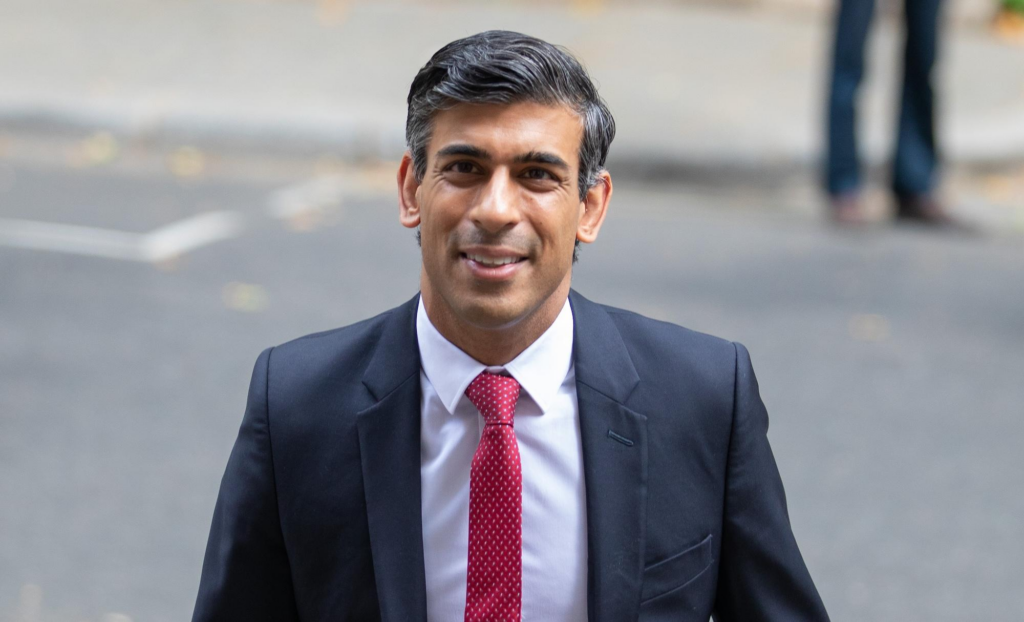
When Rishi Sunak walked through the doors of 10 Downing Street on October 25, 2022, he carried the weight of history on his shoulders – becoming Britain’s first British Asian prime minister, first Hindu leader, and youngest PM in over two centuries at age 42. He also carried something else: a personal fortune of £640 million that made him the wealthiest person ever to govern the United Kingdom.
Twenty months later, he walked out again after leading the Conservative Party to its worst electoral defeat in history, ending 14 years of Tory rule. His tenure would be remembered not for grand achievements but for a succession of broken promises, abandoned projects, and a gambling reform white paper that took three years and three prime ministers to finally see daylight.
This is the story of how Britain’s richest prime minister became one of its least successful – and what his approach to UK political betting regulation reveals about his governing philosophy.
From Southampton to Silicon Valley – The Making of a Millionaire Politician
Early Life and Elite Education
Rishi Sunak was born on May 12, 1980, in Southampton General Hospital to Punjabi parents of East African origin. His grandparents emigrated from Punjab, India, to East Africa, where his mother and father were born in Tanzania and Kenya respectively. In the 1960s, his parents migrated to Southampton, where his father became a GP for the National Health Service and his mother operated a small pharmacy.
Unlike many Conservative MPs from privileged backgrounds, Sunak’s parents were first-generation immigrants building middle-class lives through professional work. But Sunak’s educational trajectory followed the classic elite path. He attended Winchester College, one of England’s most prestigious and expensive public schools (annual fees now exceed £45,000), then studied Philosophy, Politics and Economics at Lincoln College, Oxford.
His American journey began with a Fulbright Scholarship to Stanford University, where he earned an MBA in 2006. More importantly, he met Akshata Murty, daughter of N.R. Narayana Murthy, the billionaire co-founder of Infosys. They married in 2009 in a two-day ceremony in Bangalore, joining two vastly different financial worlds.
Finance Career – Goldman to Hedge Funds
Sunak’s pre-political career established both his wealth and his pro-business credentials:
2001-2004: Analyst at Goldman Sachs in London, working during the dot-com boom and subsequent correction
2006-2009: Joined The Children’s Investment Fund Management (TCI), becoming a partner in September 2006 under Patrick Degorce. TCI was managing billions and known for aggressive activist investing
2009-2010: Moved to California to work with former TCI colleagues at Theleme Partners, a new hedge fund that launched in October 2010 with $700 million under management
2013-2015: Director at Catamaran Ventures, an investment firm owned by his father-in-law. This role would later raise eyebrows about potential conflicts of interest
When Sunak entered politics in 2015, he wasn’t a self-made millionaire – but he’d built solid finance credentials that would serve him well as Chancellor. His real wealth, however, came through marriage.
The £640 Million Question – Understanding the Sunak-Murty Fortune
Breaking Down Britain’s Richest Political Household
The Sunday Times Rich List 2025 valued the Sunak-Murty household at £640 million, down from £651 million in 2024 and a peak of £730 million in 2022. These fluctuations reflect market movements in a single asset that dominates their wealth – Murty’s 0.93% stake in Infosys.
Infosys Holdings:
- Market capitalisation: approximately £57 billion (as of mid-2025)
- Murty’s 0.93% stake: worth £530-590 million depending on share price
- Annual dividend income: approximately £7.5 million (2024)
- Cumulative dividends received: over £73 million across the years
Sunak’s Personal Wealth: While exact figures are murky, sources estimate Sunak’s personal contribution to the household wealth at approximately £50-80 million, derived from:
- Investment portfolio generating roughly £2.1 million annually (2022-23 data)
- Past hedge fund earnings and investments
- Property holdings in London, California, and North Yorkshire
Parliamentary Earnings: In stark contrast to his wealth, Sunak’s official government income was modest:
- MP salary: £84,144 base (as of 2024)
- Chancellor salary: £86,584 (2020-2022)
- Prime Minister salary: £172,153 (though he didn’t claim full entitlements)
For context, his 2021-22 reported earnings of just under £2 million were more than 50 times the average UK full-time salary – but this came overwhelmingly from investment returns, not his government role.
The Non-Dom Tax Scandal That Nearly Derailed His Career
In April 2022, while Sunak served as Chancellor during a brutal cost-of-living crisis, The Independent revealed that Murty held non-domiciled tax status. This obscure designation meant she paid no UK tax on her substantial overseas income, including Infosys dividends.
The backlash was immediate and visceral. Here was the Chancellor, raising National Insurance on working families, while his household legally avoided an estimated £20.6 million in UK taxes on his wife’s foreign earnings. Labour MP Nadia Whittome captured the public mood, noting that the couple’s £730 million fortune was “around twice the estimated wealth of King Charles III.”
Facing potential career implosion, Murty announced she would voluntarily pay UK tax on all worldwide income going forward – though she didn’t have to. The damage to Sunak’s reputation as a man in touch with ordinary Britons was permanent. A 2024 YouGov poll found 78% of the public – including 70% of 2019 Conservative voters – believed Sunak was “out of touch.”
Chancellor During COVID – The “Dishi Rishi” Era and Its Collapse
The Furlough Scheme and Early Popularity
When Boris Johnson appointed Sunak Chancellor of the Exchequer in February 2020, few knew what was coming. Within weeks, COVID-19 forced Britain into lockdown, and Sunak responded with the most interventionist economic policy in peacetime British history.
His Coronavirus Job Retention Scheme (furlough) paid 80% of workers’ wages up to £2,500 monthly, ultimately supporting 11.7 million jobs and costing £70 billion. The “Eat Out to Help Out” scheme subsidised restaurant meals in August 2020 – though critics later argued it accelerated COVID transmission.
Public approval soared. Sunak cultivated a slick media image – branded Instagram posts, expensive suits, and a photogenic family. The nickname “Dishi Rishi” trended on social media. By mid-2021, his approval ratings peaked around +19 net favourability, higher than Johnson himself.
The Cost of Living Crisis and Plummeting Popularity
By early 2022, reality intruded. Inflation surged to levels not seen in four decades, driven by energy prices, supply chain chaos, and massive pandemic spending. Sunak’s Spring Statement 2022 offered limited relief:
- Fuel duty cut by 5p per litre (widely seen as inadequate)
- VAT removed from energy-saving equipment
- National Insurance threshold raised (while still implementing an NI increase)
The measures felt insufficient as families chose between heating and eating. His approval ratings crashed from +19 to -29 net favourability between January and May 2022 – a 48-point collapse in four months. The non-dom scandal compounded his “out of touch” image.
In July 2022, Sunak resigned as Chancellor alongside Health Secretary Sajid Javid, triggering the cascade of resignations that forced Johnson’s exit. His resignation letter criticised Johnson’s ethics, but many saw it as positioning for a leadership bid.
The First Leadership Campaign – Defeat to Liz Truss
Sunak immediately launched his campaign to succeed Johnson, positioning himself as the responsible, economically competent choice. He warned against “fairy tales” about tax cuts without fiscal responsibility – a clear shot at rival candidate Liz Truss, who promised massive unfunded tax cuts.
Conservative MPs largely backed Sunak. He topped every parliamentary round, defeating seven rivals to reach the final two. But the crucial vote came from Conservative Party members – about 160,000 grassroots activists who skew older, wealthier, and more ideologically right-wing than MPs.
Truss won decisively: 57.4% to 42.6%. Members bought her promise of tax cuts and growth, dismissing Sunak’s warnings as pessimism. Some observers noted undertones of racism in member comments about Sunak’s heritage, though this was debated.
For Sunak, it seemed like game over. He returned to the backbenches while Truss assembled her government, bringing in loyal supporters and freezing out Sunak allies.
The 49-Day Disaster and Sunak’s Coronation
What happened next shocked British politics. On September 23, 2022, Truss’s Chancellor Kwasi Kwarteng unveiled a “mini-Budget” featuring £45 billion in unfunded tax cuts. Financial markets panicked. The pound crashed to near-parity with the dollar. Mortgage rates spiked. The Bank of England was forced to intervene to prevent pension fund collapse.
Within days, Truss was forced to reverse nearly all the tax cuts and sack Kwarteng, replacing him with Jeremy Hunt. But her authority was shattered. On October 20, after just 49 days – the shortest premiership in British history – Truss resigned.
The Conservative Party couldn’t face another drawn-out contest. Boris Johnson briefly considered standing but withdrew when he couldn’t secure enough MP nominations. Sunak’s rivals collapsed. On October 24, 2022, he was declared leader unopposed.
The man who’d been rejected by members just seven weeks earlier would become Prime Minister anyway – selected by MPs desperate to avoid another catastrophic contest. It was hardly a mandate, and Sunak knew it.
Prime Minister – Twenty Months of Broken Promises
The Five Pledges That Defined (and Doomed) His Premiership
On January 4, 2023, Sunak stood before the cameras and laid out five specific priorities – effectively a report card by which voters could judge him:
- Halve inflation from 10.7% (current rate) by year-end
- Grow the economy and get Britain moving again
- Reduce national debt as a share of GDP
- Cut NHS waiting lists from record highs
- Stop the boats – illegal Channel crossings by small boats
These weren’t visionary goals or transformative policies – they were damage control pledges that essentially promised to fix immediate crises. Even achieving them wouldn’t inspire, but failing would be catastrophic.
By July 2024, when voters went to the polls, Sunak could claim partial success on only one: inflation had fallen to 2.0% by May 2024. But this owed more to global energy price normalization than government policy, and it came too late to save household finances battered by two years of high prices.
On the other four pledges, his government failed comprehensively.
The Economic Record – Recession, Stagnation, and False Promises
The Recession of Late 2023: In February 2024, the Office for National Statistics delivered devastating news: the UK economy had shrunk by 0.3% in Q4 2023, meeting the technical definition of recession. Growth for all of 2023 was a paltry 0.1% – essentially flat.
The economy recovered somewhat in early 2024, growing 0.7% in Q1, but stalled again by April. Sunak could fairly argue he inherited an economy already heading for trouble after Truss’s chaos and years of Brexit uncertainty. But his pledge to “grow the economy” looked hollow when growth remained anaemic throughout his tenure.
Debt Rising, Not Falling: Rather than falling, national debt reached 97.7% of GDP by March 2024 – up from 95.3% when he took office. Interest payments on government debt consumed ever-larger shares of the budget, limiting options for tax cuts or spending increases. His promise to reduce debt was quietly abandoned.
NHS Waiting Lists at Record Highs: NHS waiting lists stood at 7.6 million when Sunak became PM. By May 2024, they’d reached 7.57 million – marginally better but still near record levels. His pledge to “cut” them was technically met only by statistical flatness, not meaningful improvement. Junior doctors went on the longest strike in NHS history during his tenure, further disrupting care.
The Rwanda Debacle – £240 Million Spent, Zero Deportations
No policy better encapsulated Sunak’s premiership than the Rwanda asylum plan. The scheme, inherited from Johnson but aggressively pursued by Sunak, would deport asylum seekers who arrived via illegal Channel crossings to Rwanda for processing. The theory: remove the incentive for dangerous crossings, “break the business model” of people smugglers.
The problems were immediate and mounting:
Legal Challenges: The UK Supreme Court ruled the policy unlawful in November 2023, finding Rwanda wasn’t a safe third country. Sunak responded by negotiating a new treaty with Rwanda and passing emergency legislation declaring Rwanda safe – essentially trying to legislate away judicial concerns.
Massive Costs: By mid-2024, the UK had paid Rwanda approximately £240 million under the agreement. Not a single asylum seeker had been deported. Additional costs for detention, legal fees, and administration ran into hundreds of millions more.
The Opposite Effect: Channel crossings surged. The EU’s Frontex agency reported a 56% increase in UK-bound crossings in Q1 2024 compared to Q1 2023. Rather than deterring migrants, the threat of Rwanda deportation appeared to accelerate attempts before implementation.
Political Fracture: Right-wing MPs wanted the policy toughened, calling for the UK to leave the European Convention on Human Rights. Centrist MPs worried about international law and Britain’s reputation. The policy united neither his party nor the country.
On July 4, 2024, no asylum seeker had ever been sent to Rwanda under the policy. It became a symbol of Sunak’s entire premiership – big promises, minimal delivery, massive spending, poor results.
Gambling Reform – Three Years, Three PMs, One Overdue White Paper
The Review That Refused to Die
Few policy areas better illustrated the chaos of Conservative governance from 2020-2023 than gambling reform. The Gambling Act 2005 was created when smartphones barely existed and online gambling was nascent. By 2020, online gambling generated over 40% of the industry’s £14 billion annual revenue, and problem gambling was rising.
In December 2020, Boris Johnson’s government launched a comprehensive review of gambling regulation. The target: publication by Spring 2021. What followed was a masterclass in political delay and dysfunction:
Timeline of Delay:
- Spring 2021: First target missed due to pandemic disruption
- July 2022: Johnson promised publication before his departure – then resigned
- September 2022: Liz Truss’s 49-day premiership sidelined the review entirely
- October 2022: Sunak takes office, inherits the delayed white paper
- February 2023: New Culture Secretary Lucy Frazer announced, promises April publication
- April 27, 2023: White Paper finally published – 29 months after review began
The delay involved four Culture Secretaries, six gambling ministers, and three prime ministers. The industry accused the government of indecision. Reformers accused gambling lobbying of blocking progress. The reality: British politics was too chaotic to focus on anything consistently.
What the White Paper Proposed
When “High Stakes: Gambling Reform for the Digital Age” finally appeared, it ran 336 pages and contained 62 specific policy proposals spanning six key areas. Major measures included:
1. Financial Affordability Checks: The most controversial proposal required operators to conduct “financial risk checks” on customers showing signs of harmful play. For stakes exceeding certain thresholds, operators could demand proof of income, bank statements, or other financial documentation.
Industry analysis suggested one in five online accounts could face checks. The Betting and Gaming Council warned this would drive 250,000 British bettors to unlicensed black market sites – a claim supported by data showing 250,000 Britons used illegal sites during the 2022 World Cup, up 212% from 80,000 the previous year.
2. Online Slot Stake Limits: The white paper proposed maximum stakes of £2-15 per spin on online slots, bringing them closer to the £2 limit on fixed-odds betting terminals in physical bookmakers. VIP gamblers who regularly bet £100+ per spin would be severely impacted.
3. Statutory Gambling Levy: The current voluntary system, where operators donate to gambling harm research and treatment, would become mandatory. All operators would pay a percentage of gross gambling revenue (exact rate to be determined via consultation) to fund independent research, public health campaigns, and treatment services.
4. Marketing and Advertising Restrictions: Tighter controls on when and where gambling ads could appear, particularly during sports broadcasts. Whistle-to-whistle advertising bans during live football. Restrictions on gambling sponsorship of sports teams.
5. Direct Marketing Controls: Customers would need to opt-in by product type (casino, betting, bingo) and communication channel (email, SMS, post). The rules came into force January 17, 2025, requiring re-confirmation of preferences at next login.
6. Enhanced Powers for Gambling Commission: Greater enforcement powers, faster sanctions for rule breaches, and mandatory reporting of “key events” like financial difficulties or compliance failures.
Sunak’s Stance – Constituency Interests and Pragmatic Caution
Unlike culture warriors who saw gambling reform as a moral crusade, Sunak approached it with characteristic caution shaped by constituency realities and economic pragmatism.
The Catterick Factor: Sunak’s Richmond and Northallerton constituency includes Catterick Racecourse, one of Britain’s key horse racing venues. Horse racing depends heavily on betting revenue – tracks earn from betting shop partnerships, online operator sponsorships, and on-course betting. The sport warned that harsh affordability checks could devastate revenues.
Racing industry representatives met with government officials in December 2022, outlining how the sport had already lost £40 million due to betting restrictions and expressing fears the white paper could be existential. Sunak was sympathetic – he understood racing’s importance to rural constituencies like his own.
Affordability Checks Concerns: Even before becoming PM, Sunak had raised questions about affordability checks. His concerns centred on practical implementation and unintended consequences:
- How would operators verify income for self-employed or cash-based workers?
- Would checks based on location or job title constitute illegal discrimination?
- Would intrusive checks actually drive problem gamblers to unregulated black market sites?
- Could legitimate high-income recreational gamblers be unfairly targeted?
When Michael Dugher, CEO of the Betting and Gaming Council, lobbied Sunak’s team after his appointment, he found a more receptive audience than with previous ministers. Sunak wasn’t anti-regulation, but he wanted “sensible, proportionate and carefully targeted” reforms – Dugher’s exact words, not coincidentally.
The Lucy Frazer Appointment: In February 2023, Sunak appointed Lucy Frazer as Secretary of State for Culture, Media and Sport – the fourth person to hold the role during the review. Frazer, a barrister and former Financial Secretary to the Treasury, brought legal precision and economic literacy to gambling policy.
Her April 2023 white paper introduction struck Sunak’s preferred tone: “At the heart of our review is making sure that we have the balance right between consumer freedoms and choice on the one hand, and protection from harm on the other.”
This wasn’t the language of prohibition or heavy-handed intervention. It was careful, balanced, and designed to avoid alienating either industry or reformers completely.
Table 1: Rishi Sunak’s Career Trajectory and Wealth Accumulation
| Phase | Years | Role | Annual Earnings | Key Wealth Building | Notable Events |
| Goldman Sachs Analyst | 2001-2004 | Investment banking | £50-80K base + bonus | Initial capital accumulation | Learned corporate finance, built City network |
| TCI Hedge Fund Partner | 2006-2009 | Partner at Children’s Investment Fund | £200K-500K+ | Hedge fund partnership stake | Worked under Patrick Degorce, gained activist investing experience |
| Theleme Partners | 2009-2010 | Co-founder/partner | Unknown, likely £500K+ | Early investor in $700M fund | California move, Stanford MBA networking |
| Catamaran Ventures | 2013-2015 | Director | Unknown | Access to Murty family investment network | Father-in-law’s company, conflict of interest concerns later |
| Backbench MP | 2015-2018 | Richmond (Yorks) MP | £74K | Investment portfolio growth | Selected as safe Conservative seat, minimal political profile |
| Junior Minister | 2018-2020 | Local Government Under-Secretary, Chief Secretary to Treasury | £86-96K | Investment portfolio | Built Treasury reputation, supported Brexit |
| Chancellor | 2020-2022 | Chancellor of the Exchequer | £86K + £2M investment income | Portfolio dividends, Infosys stake appreciation | Furlough scheme, non-dom scandal, cost of living crisis |
| Prime Minister | 2022-2024 | Prime Minister | £172K + investment income | Wealth declined £730M → £640M (Infosys share price) | Shortest post-war PM tenure after Truss, historic election defeat |
| Post-PM | 2024-present | MP + Goldman Sachs senior advisor + speaking | £84K MP + £505K speaking fees (3 events in 2 months) | Goldman salary donated to charity, speaking circuit profitable | Stanford/Oxford fellowships unpaid, focusing on legacy rehabilitation |
Key Insight: Sunak’s political salary was always a rounding error in his household finances. His wealth came from marrying into India’s tech aristocracy, not from politics or even his successful finance career. This created an inescapable perception problem when governing during a cost-of-living crisis.
Table 2: The Five Pledges – Promises vs Reality
| Pledge | Target | Starting Point (Oct 2022) | End Point (July 2024) | Status | Why It Failed |
| Halve inflation | Reduce from 10.7% to ~5% by end-2023 | 10.7% (Oct 2022) | 2.0% (May 2024) | ✓ ACHIEVED (though target moved) | Actually exceeded target eventually, but due to global energy price normalization rather than government policy. Too late to help household budgets battered by 2022-23 price rises. |
| Grow the economy | Positive GDP growth throughout tenure | 0.1% growth in 2023 | Economy grew 0.7% in Q1 2024, flat in April | ✗ FAILED | Recession in Q4 2023, growth minimal. Brexit uncertainty, Truss chaos hangover, global headwinds. Sunak lacked any distinctive growth strategy. |
| Reduce national debt | Lower debt-to-GDP ratio | 95.3% of GDP | 97.7% of GDP (March 2024) | ✗ FAILED | Debt rose, not fell. High interest payments on previous borrowing, cost-of-living support measures, lack of growth meant tax revenues disappointed. Quietly abandoned as target. |
| Cut NHS waiting lists | Reduce from 7.6 million | 7.6 million | 7.57 million (May 2024) | ~ TECHNICALLY MET (marginally) | Waiting lists stayed flat, not fell meaningfully. Junior doctors strikes disrupted services throughout 2023-24. Funding increases insufficient to clear backlog from COVID. Political claim, not real improvement. |
| Stop the boats | Halt illegal Channel crossings | ~45,000 crossings in 2022 | Up 56% in Q1 2024 vs Q1 2023 | ✗ FAILED CATASTROPHICALLY | Rwanda policy never implemented (£240M spent, zero deportations). Crossings surged, not fell. Right-wing voters defected to Reform UK. Policy divided party and delivered opposite of intended result. |
Analysis: Sunak set himself up for failure by making specific, measurable pledges on issues partly beyond his control. Even the one “success” (inflation) came too late and owed little to government action. The broken promises reinforced the narrative of Conservative incompetence that dominated the 2024 election.
Table 3: Gambling White Paper Journey – A Timeline of Dysfunction
| Date | Government/PM | Event | Significance |
| December 2020 | Boris Johnson | Gambling Act review announced, target Spring 2021 | Initial momentum, broad support for modernizing 2005 legislation |
| Spring 2021 | Boris Johnson / Oliver Dowden (Culture Sec) | First deadline missed | COVID prioritization, internal debates over scope |
| November 2021 | Boris Johnson / Nadine Dorries (Culture Sec) | Consultations continue, new target mid-2022 | Industry lobbying intensifies, reformers grow impatient |
| July 2022 | Boris Johnson resigns | Johnson promises white paper before departure, breaks promise | Government crisis prioritized over policy delivery |
| September 2022 | Liz Truss / Michelle Donelan (Culture Sec) | Review sidelined entirely | Truss’s 49-day chaos, no capacity for gambling policy |
| October 2022 | Rishi Sunak / Michelle Donelan | Sunak takes office, commits to publication “in coming months” | Credibility at stake after multiple delays |
| February 2023 | Rishi Sunak / Lucy Frazer (Culture Sec) | Frazer appointed, fourth Culture Secretary, promises April | Industry frustration peaks, calls for “end to uncertainty” |
| April 27, 2023 | Rishi Sunak / Lucy Frazer | White Paper finally published (336 pages, 62 proposals) | 29 months after review began, survived 3 PMs, 4 Culture Secretaries, 6 gambling ministers |
| July 2023 | Rishi Sunak | First consultations open (affordability checks, online design, marketing) | Implementation begins, but general election timing uncertain |
| August 2024 | Keir Starmer (Labour) | First regulations due to come into force | Sunak’s defeat means Labour inherits implementation |
Key Lesson: The white paper’s 29-month journey wasn’t primarily about gambling policy complexity – it was about government dysfunction. Three leadership changes, party civil war, and political chaos made consistent policymaking impossible. Sunak finally delivered it, but the delay itself became the story.
Table 4: Sunak’s Gambling Reform Stance Compared to Predecessors
| Prime Minister | Tenure | Gambling Approach | Key Actions | Constituency Influence | Outcome |
| Tony Blair (Labour) | 1997-2007 | Liberalisation | Passed Gambling Act 2005 allowing online gambling, super-casinos (blocked by successors) | Traditional Labour strongholds with bookies, modernization agenda | Created framework that became outdated by smartphone era |
| Gordon Brown (Labour) | 2007-2010 | Damage control | Blocked super-casinos, tightened advertising after public backlash | Scottish Presbyterian background, moral concerns | Prevented full liberalization Blair envisioned |
| David Cameron (Conservative) | 2010-2016 | Light-touch regulation | Reduced maximum stake on FOBTs from £100 to £50 (announced 2018, too late for him) | Constituency pressure minimal, free-market ideology | Avoided heavy intervention despite growing problem gambling evidence |
| Theresa May (Conservative) | 2016-2019 | Toughening stance | FOBT stake cut to £2 (implemented 2019), first serious restrictions | Concerns about high street decline, problem gambling visibility | Industry opposed but accepted, set precedent for tougher regulation |
| Boris Johnson (Conservative) | 2019-2022 | Review without delivery | Launched comprehensive review December 2020, broke promise to publish by July 2022 | Uxbridge constituency, London-centric, no racing interests | Started process but never delivered, left mess for successor |
| Liz Truss (Conservative) | Sept-Oct 2022 | Absent | 49 days, no capacity for gambling policy | N/A | Gambling policy comatose during her tenure |
| Rishi Sunak (Conservative) | 2022-2024 | Pragmatic balance | Published white paper April 2023, began consultations, implementation started under Labour | Richmond & Northallerton includes Catterick Racecourse, racing industry sympathies | Delivered policy but election defeat meant Labour would implement it |
Pattern Recognition: Conservative PMs from Cameron onwards talked tough on gambling but delivered slowly, if at all. Labour’s Blair-era liberalization created the current mess. Sunak was the first to actually publish comprehensive reforms, but only because delay had become politically untenable. His racing constituency made him sympathetic to industry concerns.
Table 5: Post-PM Revenue Streams and Wealth Management
| Income Source | Amount | Frequency | Notes | Comparison to Predecessors |
| MP Salary | £84,144/year | Ongoing | Base parliamentary salary, Richmond & Northallerton | Standard for all MPs, insignificant to Sunak’s finances |
| Goldman Sachs Senior Advisor | Undisclosed (£500K-1M estimated) | Ongoing salary | Rejoined July 2025, salary donated to The Richmond Project charity | Unprecedented for serving MP to return to finance, Blair waited until leaving parliament |
| Speaking Fees | £505,661 ($668K) | April-May 2024 (3 events) | Washington Speakers Bureau, clients include Bain Capital | Similar trajectory to Cameron (£120K per speech) but faster monetization |
| Stanford Fellowship | Unpaid | Visiting fellowship | Hoover Institution think tank, Stanford Graduate School of Business | Prestige positioning, not income |
| Oxford Fellowship | Unpaid | Unpaid role | Blavatnik School of Government | Academic credibility, not income |
| Infosys Dividends (wife) | ~£7.5 million/year | Annual dividends | Akshata Murty’s 0.93% stake, taxed in UK since 2022 | Orders of magnitude larger than his personal earnings |
| Investment Portfolio Returns | ~£2.1 million/year | Ongoing | Personal investments separate from Murty’s holdings | Built during finance career |
| Book Deal | Not announced yet | Potential | Prime ministerial memoir standard practice | May (£1.9M), Cameron (£800K), Johnson (£2M advance) typical ranges |
Financial Reality: Sunak’s post-PM “work” is as much about reputation rehabilitation and networking as income generation. His household earns more from Murty’s passive Infosys dividends than he could from decades of speaking fees. The Goldman role’s donated salary signals he doesn’t need the money – which may actually hurt his political brand further.
Table 6: 2024 Election Catastrophe – Anatomy of Historic Defeat
| Metric | Conservative (Sunak) | Labour (Starmer) | Change from 2019 | Historical Context |
| Seats Won | 121 | 411 | -250 Tory seats | Worst Conservative result since 1906 |
| Vote Share | 23.7% | 33.7% | -19.9pp Tory drop | Third-worst Tory vote share in 200+ years |
| Seats Lost | 250+ | N/A | Losses across all regions | Decimation of “Red Wall” gains from 2019 |
| Sunak’s Margin | Won Richmond & Northallerton by 23,059 (51.4%) | N/A | Down from 27,210 (47.2%) in 2019 | First sitting PM to nearly lose own seat since 1906 |
| Cabinet Casualties | 12 Cabinet ministers lost seats | N/A | Including Defence Sec, multiple junior ministers | Unprecedented carnage in senior ranks |
| Reform UK Damage | Vote-splitting cost 50+ Tory seats | N/A | Reform won 14% nationally, 5 seats | Farage’s party absorbed right-wing voters |
| Lib Dem Gains | Lost 64 seats to Lib Dems | N/A | Including traditional Tory shires | Southern England rebellion against Conservatives |
| Youth Vote Collapse | 18-24 age group: 5% Tory support | 18-24 age group: 52% Labour | -19pp Tory from 2019 | Generational realignment against Conservatives |
Campaign Disasters:
- D-Day Departure: Left 80th anniversary commemorations early to film TV interview, massive backlash
- Betting Scandal: Multiple Conservative candidates and officials investigated for betting on election date before it was announced
- National Service Pledge: Promised mandatory national service for 18-year-olds, widely mocked and immediately backtracked
- Rain-Soaked Launch: Announced election standing in pouring rain without umbrella outside Downing Street, metaphor for entire campaign
Post-Election Analysis: This wasn’t just a defeat – it was a potential extinction event. The Conservative Party faced questions about whether it could ever recover. Sunak led the party through its worst campaign “of their lifetime” according to senior Conservatives, cementing his legacy as a well-meaning but ineffective leader who failed at the only task that ultimately mattered: winning elections.
Life After Number 10 – Goldman, Speaking Fees, and Legacy Management
Sunak officially stepped down as PM on July 5, 2024, after Keir Starmer’s Labour landslide. He remained Conservative leader through November 2024, forming a shadow cabinet while the leadership election to replace him played out. Kemi Badenoch ultimately succeeded him, and Sunak transitioned to the backbenches.
Unlike some former PMs who retreat from public life, Sunak moved quickly to monetize his profile and rehabilitate his reputation:
The Goldman Return (July 2025): In a move that raised eyebrows, Sunak rejoined Goldman Sachs as a senior advisor – returning to the firm where he’d started his finance career two decades earlier. The role involves advising clients on macroeconomic and geopolitical issues while contributing to Goldman’s “culture of ongoing learning.”
CEO David Solomon welcomed him back, but the optics were uncomfortable. A sitting MP returning to investment banking while still in parliament looked like the revolving door between politics and finance that fuels public cynicism. Sunak promised to donate his Goldman salary to The Richmond Project, a charity he and Murty established to improve UK numeracy skills – but critics noted his wife serves as a trustee, and the charity hasn’t yet published financial accounts showing where the money goes.
Speaking Circuit Success: Between April and May 2024 – less than two months after leaving office – Sunak earned £505,661 ($668,000) for just three speaking engagements through the Washington Speakers Bureau. One client was Bain Capital, the private equity giant. This puts him on track to earn £3-4 million annually from speeches alone if he maintains this pace.
For comparison, David Cameron earned approximately £120,000 per speech after leaving office, while Tony Blair built a complex consultancy and speaking operation worth tens of millions. Sunak is following the well-trodden path of cashing in on prime ministerial cachet, though his existing wealth means this is more about status than financial necessity.
Academic Fellowships: Sunak accepted unpaid positions at his alma maters – a visiting fellowship at Stanford’s Hoover Institution and an unpaid role at Oxford’s Blavatnik School of Government. These provide intellectual credibility and networking opportunities without the taint of direct payment.
The Memoir Question: Prime ministerial memoirs are lucrative. Theresa May received £1.9 million for her book “The Abuse of Power.” Boris Johnson got approximately £2 million in advances for “Unleashed.” David Cameron earned £800,000. Sunak will inevitably write his own account, likely focusing on navigating the Truss chaos, managing the cost-of-living crisis, and his perspective on why Conservative voters abandoned the party.
What Does Sunak’s Gambling Policy Tell Us About His Political Philosophy?
Examining Sunak’s approach to gambling regulation reveals three core aspects of his political philosophy that explain both his successes and failures as Prime Minister:
1. Technocratic Problem-Solving Over Ideological Vision
Sunak approached gambling reform the way he approached most issues – as a technocratic puzzle requiring data-driven analysis and balanced solutions. His white paper contained 62 specific proposals spanning 336 pages, each backed by evidence and consultation.
This contrasts sharply with ideologues like Kemi Badenoch, who might frame gambling as a personal freedom issue, or left-wing reformers who’d see it primarily through a harm reduction lens. Sunak saw trade-offs: consumer choice versus protection from harm, industry revenues versus problem gambling costs, enforceability versus intrusion.
The problem? Technocracy without vision doesn’t inspire. Voters wanted leadership during a crisis – bold action, clear values, emotional connection. Sunak offered competent management. When economic conditions didn’t dramatically improve, his technocratic approach felt like rearranging deck chairs on the Titanic.
2. Constituency Interests and Pragmatic Politics
Sunak’s sympathy for horse racing’s concerns about affordability checks wasn’t accidental – Catterick Racecourse sits in his constituency. He understood that harsh gambling restrictions could devastate rural racing venues that employ local people and support local economies.
This constituency-first pragmatism extended beyond gambling. His reluctance to impose more aggressive climate policies partly reflected rural Conservative constituencies dependent on cars and traditional industries. His defence of North Sea oil and gas reflected Scottish and North England constituencies reliant on those jobs.
This is practical politics – representing your voters’ interests. But it reinforced the perception that Sunak governed for specific interests rather than national vision. The wealthiest PM in history protecting Catterick Racecourse while NHS waiting lists hit record highs wasn’t a great look.
3. Fear of Unintended Consequences and Policy Caution
Sunak’s concerns about affordability checks driving bettors to black market sites reflected a consistent pattern: he worried intensely about unintended consequences and often chose caution over boldness as a result.
This served him well as Chancellor during COVID, when careful furlough scheme design prevented mass unemployment. But as PM, it made him look indecisive. He watered down climate policies because he feared voter backlash. He delayed calling elections because he feared defeat. He compromised on Rwanda because he feared party splits.
His gambling white paper embodied this caution – long on consultation, light on radical reform. It aimed to protect the vulnerable without “spoiling the enjoyment of the overwhelming majority who bet safely and responsibly” (as the Betting and Gaming Council put it). This pleased neither hardcore reformers nor pure libertarians, which may have been the point – but also ensured no one felt inspired by his leadership.
The Verdict – History Will Not Be Kind
When historians assess Rishi Sunak’s 20-month premiership, the judgement will likely be harsh but nuanced. He inherited an impossible situation – a divided party, a battered economy, a cynical electorate, and the toxic legacy of Johnson’s scandals and Truss’s chaos. No Conservative could have won the 2024 election after 14 years of Tory government marred by Brexit division, COVID deaths, austerity, and multiple crises.
But Sunak made it worse through his own missteps:
The Wealth Problem: His £640 million fortune was always going to be a problem during a cost-of-living crisis. But he compounded it by wearing £490 Prada loafers to building sites, losing his £180 wireless earphones at a gym, and asking a homeless man in a shelter if he “worked in business” – displaying a tin ear for how ordinary Britons lived.
The Trust Problem: Despite promises of “integrity, professionalism and accountability,” his government was plagued by lobbying scandals, donor controversies, and the betting scandal that marred his final campaign. He failed to establish the ethical contrast with Johnson he’d promised.
The Vision Problem: Sunak never articulated what he wanted to do with power beyond managing crises. His five pledges were all defensive – halving inflation, stopping boats, cutting waiting lists. Where was the vision for Britain’s future? What did he believe? Why did he want to be Prime Minister beyond being good at the job?
The Authenticity Problem: Moments like his Elon Musk interview, where he appeared to fawn over the billionaire, or his awkward attempts to connect with working-class voters, reinforced the sense of someone playing a role rather than being himself.
Yet there are counterpoints:
Economic Stabilization: The economy did stabilize after Truss’s chaos. Inflation fell dramatically. A recession was avoided in 2024 (barely). He left Labour a better economic situation than he inherited.
International Standing: Britain’s support for Ukraine remained strong under Sunak. The Windsor Framework improved EU relations. His government wasn’t internationally embarrassing the way Johnson’s or Truss’s often were.
Policy Delivery: He did eventually publish the long-delayed gambling white paper. He did pass significant climate legislation (even if he later watered it down). His smoking ban could save thousands of lives.
Impossible Task: Leading a party 14 years into power, exhausted and divided, with multiple legacy crises and facing an energized opposition – this was always likely to end in defeat.
Conclusion – The Richest PM Who Couldn’t Buy Success
Rishi Sunak’s story is ultimately one of capability without purpose, competence without vision, and wealth without connection. He was the ultimate technocrat in an era demanding bold leadership. He was the wealthiest PM ever during Britain’s worst cost-of-living crisis in generations. He was the supposed “heir to Thatcher” who ended up overseeing the Conservative Party’s worst defeat since 1906.
His approach to gambling reform encapsulates his entire premiership: carefully balanced, evidence-based, pragmatic, cautious, and ultimately insufficient to inspire anyone. The white paper took 29 months and three PMs to deliver – and by the time Sunak published it, voters cared far more about whether they could afford heating and groceries than about online slot stake limits.
For those interested in how to become a political consultant in the UK, Sunak’s tenure offers lessons in what not to do: never assume technical competence alone will win elections, never run for office unless you can articulate why you want power beyond being good at governing, and never underestimate how much your wealth and background matter when voters are struggling.
As Sunak rebuilds his post-political career at Goldman Sachs and on the speaking circuit, his £640 million net worth ensures he’ll live comfortably regardless of his political legacy. But money can’t buy historical redemption. He’ll be remembered – if remembered at all – as the brief interlude between Johnson’s immorality, Truss’s incompetence, and Starmer’s Labour restoration.
The wealthiest man ever to govern Britain left office as one of its least successful prime ministers. That might be the most expensive political failure in British history.
External Links and Further Reading
- Wikipedia: Rishi Sunak – Comprehensive biography and political career
- House of Commons Library: Gambling White Paper – Official parliamentary research on gambling reform
- UK Parliament: Premiership of Rishi Sunak – Detailed account of his time as Prime Minister
For more UK political insights, explore political journalists in the UK, learn about offshore betting regulations, or read about Curacao gambling licensing.