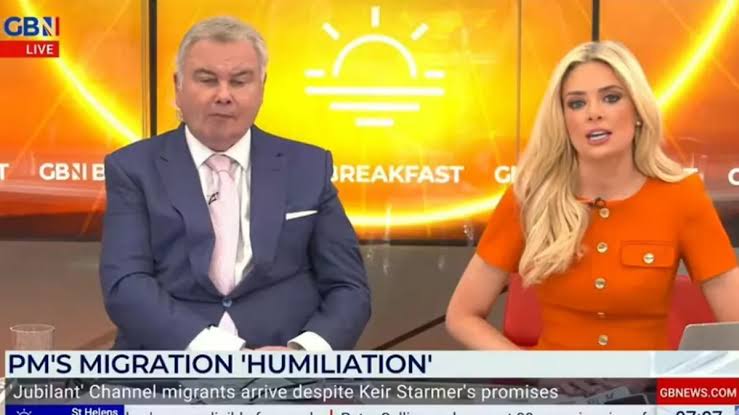
Nearly 3,000 Arrests. One Court Ruling. And Britain’s Biggest Free Speech Fight in Years
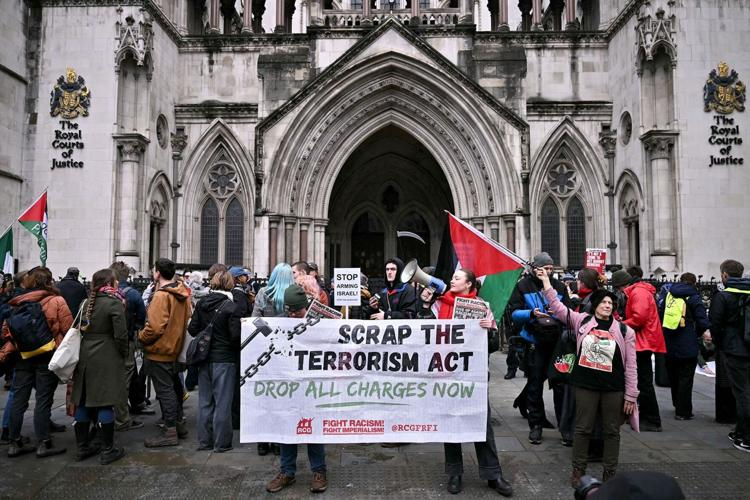
Three judges needed 46 pages to explain what civil liberties groups had been saying for months: banning Palestine Action as a terrorist group was unlawful. On Friday, February 13, the UK High Court struck down the government’s proscription of the protest group, calling it “disproportionate” and a major interference with the right to free speech and peaceful assembly.
The ruling doesn’t end the story. It opens a new one. The ban stays in place while the government appeals. Nearly 3,000 people arrested since last summer are stuck in legal limbo. And the question at the center of the case – how far can a government go in using anti-terror laws against domestic protest groups – is now heading for a higher court.
Best Online Casinos
Read only the latest news and play at the best online casinos – each one personally verified by us:

BetPortal
- Lucky Friday: 50% Friday Reload Bonus
- Wild Wednesday: 250 Free Spins
- Riskfree Weekend: 10% Cashback

Amunbet
- Lucky Amun Monday: 50% up to £450
- First Deposit Highroller Bonus: 250% up to £4,500 + 250 FS
- Pharaoh’s Wins Weekend: Up to £450

Fortunica
- 5,000+ games from 40+ providers
- Fast payouts available via Visa and Mastercard, e-wallets (PayPal, Skrill, Neteller), bank transfers, and cryptocurrencies
VegasNova
- Promo Code - WELCOME200
- Sports Welcome Bonus - 150% up to €200–$200

Highspin
- Tuesday Reload Bonus 50% Up To £250
- Secial Bonus - HIGHSPIN LOTTERY
- Weekly Cashback - Every Monday Up To £500

West Ace
- Crypto Casino Bonus - 200% up to 3,000 USDT
- Crypto Sports Bonus - 100% up to 200 USDT





What Happened
Palestine Action was founded in 2020 with one goal: disrupt the operations of weapons companies connected to Israel, mainly Elbit Systems, Israel’s biggest arms maker. The group’s tactics were always confrontational – break-ins at factories, spray-painting buildings, blockading supply chains. It called this “direct action.” The government called it terrorism.
Last July, after activists broke into RAF Brize Norton – the UK’s largest airbase – and spray-painted two military aircraft, Home Secretary Yvette Cooper banned Palestine Action under the Terrorism Act 2000. That put the group in the same legal category as al-Qaeda and ISIS. Membership or support became a criminal offence carrying up to 14 years in prison.
What followed was a crackdown unlike anything seen in recent British protest history. Police arrested 2,787 people across the country, according to the campaign group Defend Our Juries. The vast majority weren’t breaking into airbases. They were holding signs at vigils that read “I oppose genocide, I support Palestine Action.” Many of those arrested were older – the average age was 57, compared to 30 for other protest-related arrests.
📊 Key Stat: Almost 700 people have been charged under the Terrorism Act for expressing support for Palestine Action. None have been convicted yet. (Source: NPR)
What the Court Said
Judge Victoria Sharp, sitting with two other justices, found that Cooper had breached her own policies in making the ban. The court acknowledged that Palestine Action promotes its cause through criminality. It even agreed that a small number of the group’s actions amounted to terrorism. But it said the ban was overkill – there were other legal tools to go after criminal acts without slapping a blanket terror label on the whole organisation.
The ruling landed on two grounds. First, the proscription was inconsistent with the Home Secretary’s own published policy on when to ban organisations. Second, it caused a “very significant interference” with fundamental rights – free speech, assembly, and association.
The group’s co-founder, Huda Ammori, celebrated outside the Royal Courts of Justice as supporters cheered and waved Palestinian flags. For the first time since the ban, police did not arrest anyone for displaying pro-Palestine Action signs, though the Met said it would “gather evidence” for possible future enforcement.
The ruling asks a question Britain will be arguing about for years: where does protest end and terrorism begin – and who gets to draw that line?
The Government Fights Back
New Home Secretary Shabana Mahmood said she was “disappointed” and would appeal. A hearing to decide whether the appeal has grounds is set for February 20 – just a week after the ruling.
The government’s position hasn’t shifted: Palestine Action’s activities damaged national security, and the proscription was a legitimate response to an escalating threat. Lawyers for the government argued that protesters who defied the ban were deliberately flouting the law, and that the terror designation served to cut off the group’s funding and public support.
There’s a political angle too. Lifting the ban would be a gift to Reform UK, which has hammered Labour on security issues. Keeping it in place – even after a court called it unlawful – lets the government look tough. It’s a lose-lose situation for Starmer, piled on top of every other crisis hitting Downing Street this month.
What’s at Stake
If the ruling stands and the ban is formally quashed, the legal fallout could be enormous. Former government lawyer Tim Crosland told Novara Media that police forces could face thousands of claims for unlawful arrest. Every one of those 2,787 arrests was made under a law the High Court has now said shouldn’t have existed.
Activists charged with criminal damage for break-ins and factory raids won’t be affected – those charges stand separately from the proscription. But the hundreds charged simply for holding signs or speaking at Zoom calls could see their cases collapse.
The appeal hearing on February 20 is the next marker. If the government wins the right to appeal, this drags on for months, possibly into 2027. If it loses, the ban falls and the lawsuits begin. Either way, the ruling has already changed the game – the next time a government considers using terrorism laws against a protest group, it’ll have this 46-page judgment staring back at it.