Ten Years After Brexit, Britain Is Quietly Walking Back Toward Europe
Keir Starmer stood at the Munich Security Conference on Saturday and said something no British Prime Minister has said since 2016: the UK needs “deeper economic integration” with the European Union. Not hinted at it. Not hedged it behind three layers of caveats. Said it, plainly, to a room full of world leaders.
The exact words: “We must look at where we could move closer to the single market in other sectors as well, where that would work for both sides.” He called the current post-Brexit setup “not fit for purpose.” Coming from a PM who spent two years insisting he wouldn’t rejoin the single market or customs union, this was a gear change.
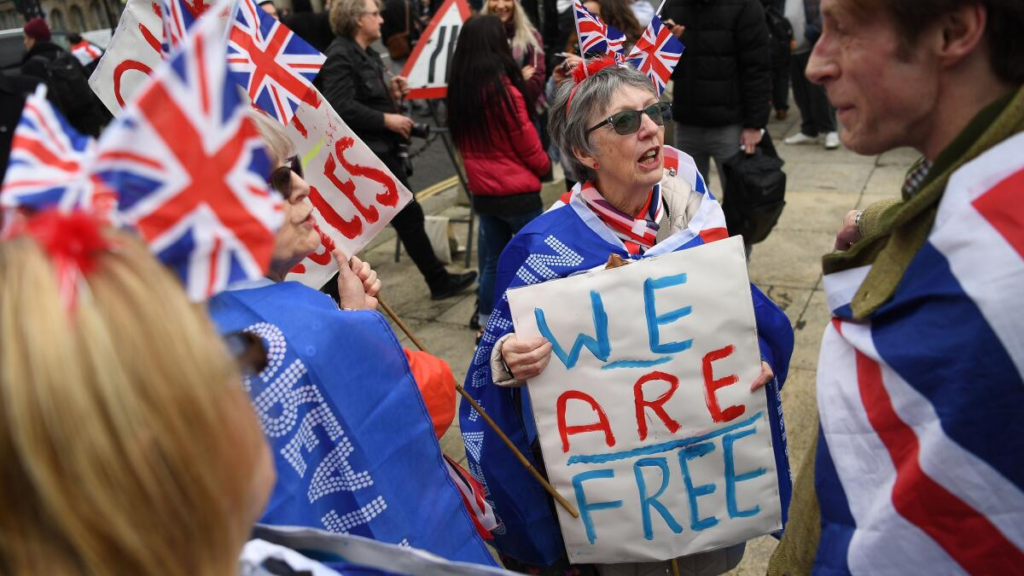
The 10th anniversary of the Brexit referendum lands this summer. And the politics around Europe in Britain have flipped. A decade ago, 52% voted to leave. Now, 56% of Britons say leaving was wrong. Just 32% still think it was right, according to polling cited by the New Statesman. The question isn’t whether Britain wants to get closer to Europe. It’s how far and how fast – and what it’ll cost.
Best Online Casinos
Read only the latest news and play at the best online casinos – each one personally verified by us:

BetPortal
- Lucky Friday: 50% Friday Reload Bonus
- Wild Wednesday: 250 Free Spins
- Riskfree Weekend: 10% Cashback

Amunbet
- Lucky Amun Monday: 50% up to £450
- First Deposit Highroller Bonus: 250% up to £4,500 + 250 FS
- Pharaoh’s Wins Weekend: Up to £450

Fortunica
- 5,000+ games from 40+ providers
- Fast payouts available via Visa and Mastercard, e-wallets (PayPal, Skrill, Neteller), bank transfers, and cryptocurrencies
VegasNova
- Promo Code - WELCOME200
- Sports Welcome Bonus - 150% up to €200–$200

West Ace
- Crypto Casino Bonus - 200% up to 3,000 USDT
- Crypto Sports Bonus - 100% up to 200 USDT

Highspin
- Tuesday Reload Bonus 50% Up To £250
- Secial Bonus - HIGHSPIN LOTTERY
- Weekly Cashback - Every Monday Up To £500






What Starmer Is Actually Proposing
The PM has been edging toward this for weeks. In a BBC interview in January, he said Britain should pursue closer alignment with the single market on a “sector-by-sector, issue-by-issue” basis. He pointed to deals already done on food, agriculture, and energy. He wants more – possibly in chemicals, medicines, professional qualifications, and manufactured goods.
But he’s drawing a line. No customs union. No freedom of movement. He wants the economic upside of being closer to Europe’s market without accepting the political trade-offs that come with it. Think of it as a Swiss-style approach – aligning with EU rules in specific areas in exchange for smoother trade, without being a full member of anything.
His Health Secretary, Wes Streeting, and Deputy PM David Lammy have both gone further publicly, floating the idea of a full customs union. Thirteen Labour MPs backed a Lib Dem proposal for one in a Commons vote last month. The pressure is coming from inside the house.
📊 Key Stat: The Office for Budget Responsibility estimates that leaving the EU single market has reduced the UK’s overall trade intensity by roughly 15%. The Institute for Fiscal Studies says rejoining it fully could add 4% to GDP. (Source: European Movement UK)
Why Now
Three forces are pushing this. First, the economy. The UK grew just 0.1% in the final quarter of 2025. Businesses – especially small exporters – are drowning in post-Brexit paperwork and border checks. The EU accounts for 41% of UK exports, and that share hasn’t been replaced by trade deals with the US, India, or anyone else.
Second, geopolitics. With Trump back in the White House and making noise about Greenland, NATO spending, and pulling back from European commitments, Starmer is pivoting toward Brussels as a security partner. His Munich speech tied economic and defence integration together – arguing that a richer, more connected Europe is also a safer one.
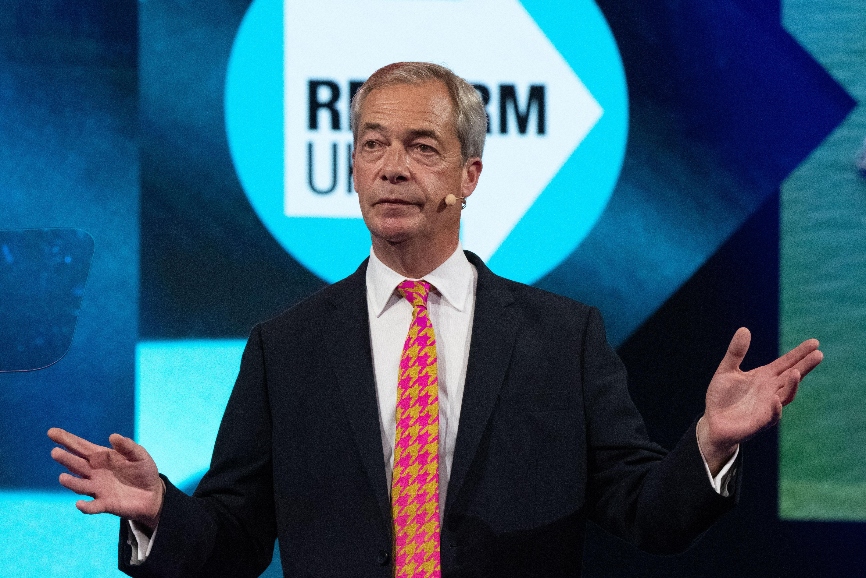
Third, domestic politics. Reform UK has built its brand on anti-EU rhetoric, but Starmer’s Labour is bleeding voters in the other direction – to the Greens, Lib Dems, and pro-European backbenchers who want to go much further. If he doesn’t get ahead of the European question, a future leadership challenger will.
The EU is also sending signals. Trade Commissioner Valdis Dombrovskis told the BBC after meetings with Rachel Reeves in Downing Street that Brussels is “ready to engage” on a customs union. Spain’s PM Pedro Sánchez has publicly backed the UK rejoining the EU altogether. But Brussels has also been clear: the UK can’t cherry-pick single market access without accepting the “four freedoms,” including free movement of people. That’s the wall Starmer keeps running into.
Britain spent a decade arguing about whether to leave Europe. It may spend the next decade arguing about how to come back – one sector at a time.
The Pushback
The Conservatives call it a “Brexit betrayal.” Shadow Foreign Secretary Priti Patel says Starmer is “surrendering our freedom to cut regulation and strike our own trade deals.” Reform UK sees any move toward Europe as campaign ammunition – proof that the establishment never accepted the referendum result.
There’s a harder problem too. The EU might not play along. Joël Reland of the UK in a Changing Europe think tank has warned that sector-by-sector deals are “unlikely to be on offer from Brussels.” The EU has always insisted on package deals, not pick-and-mix. If Starmer wants better access for UK chemicals or medicine exports, Brussels will likely demand concessions on free movement, financial contributions, or both.
And the EU is reportedly already planning for a future where Reform wins power. Euronews reported that Brussels is negotiating a so-called “Farage clause” – a mechanism to protect the EU if a future UK government tears up any deal Starmer negotiates.
What to Watch
The next UK-EU summit hasn’t been scheduled yet, but it’s expected sometime in 2026. That’s the likely launch pad for new negotiations on sector-specific alignment. Before that, the February 20 appeal hearing on the Palestine Action ban and the Gorton and Denton by-election on February 26 will test whether Starmer can hold his government together long enough to get there.
The bigger question hangs over everything: can Starmer sell “closer to Europe” to a country where Reform UK leads the polls? He’s betting that voters care more about food prices and trade than about sovereignty slogans. The next general election – due by August 2029 – will be the final answer.