Podcast Recap #1: Green Leader Polanski Stumbles on Economics in Rest Is Politics Interview
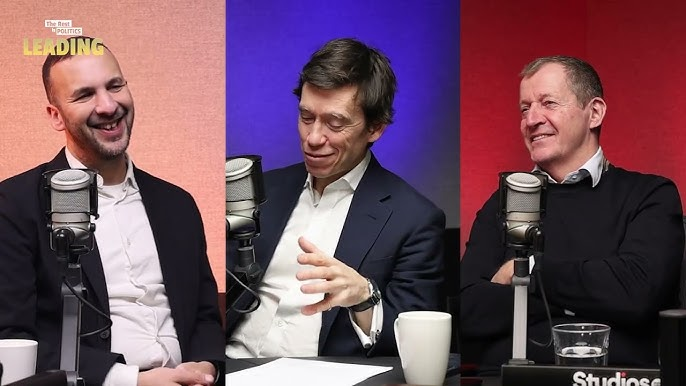
Zack Polanski is the most talked-about party leader in Britain right now. The Greens poll at 15%. Membership has blown past 180,000. Among voters under 25, his party leads every other by double digits. He’s been called the left’s answer to Nigel Farage — a populist who makes politics feel urgent again.
Then he sat down with Alastair Campbell and Rory Stewart on The Rest Is Politics: Leading, and things got complicated.
The interview, released in early February 2026 to an audience of over 200,000 listeners per episode, was widely anticipated. It was Polanski’s biggest national media moment since becoming leader last September — a chance to prove the Greens aren’t just a protest vote, but a party with answers.
The reaction was mixed. And “mixed” is being generous.
🎧 Podcast: The Rest Is Politics: Leading — Zack Polanski interview (February 2026). Available on Spotify and Apple Podcasts.

BetPortal
- Lucky Friday: 50% Friday Reload Bonus
- Wild Wednesday: 250 Free Spins
- Riskfree Weekend: 10% Cashback

Amunbet
- Lucky Amun Monday: 50% up to £450
- First Deposit Highroller Bonus: 250% up to £4,500 + 250 FS
- Pharaoh’s Wins Weekend: Up to £450

Fortunica
- 5,000+ games from 40+ providers
- Fast payouts available via Visa and Mastercard, e-wallets (PayPal, Skrill, Neteller), bank transfers, and cryptocurrencies

VegasNova
- Promo Code - WELCOME200
- Sports Welcome Bonus - 150% up to €200–$200

Highspin
- Tuesday Reload Bonus 50% Up To £250
- Secial Bonus - HIGHSPIN LOTTERY
- Weekly Cashback - Every Monday Up To £500

West Ace
- Crypto Casino Bonus - 200% up to 3,000 USDT
- Crypto Sports Bonus - 100% up to 200 USDT






What Went Right
Polanski came across as likeable. That’s not nothing. In a political landscape dominated by Starmer’s woodenness, Farage’s combativeness, and Badenoch’s confrontational edge, Polanski’s warmth is a genuine asset. He spoke passionately about climate, housing, and arms exports. He connected the cost-of-living crisis to environmental policy in a way that felt natural rather than forced.
Some listeners praised him for bringing Green priorities into a mainstream political conversation — on a podcast hosted by two establishment figures (a former Tory cabinet minister and Tony Blair’s communications chief) who tend to treat smaller parties as curiosities rather than contenders.
For Green supporters, the mere fact that their leader was being interviewed at length on Britain’s most popular politics podcast was a win. It signals that the Greens are being taken seriously, even by Westminster insiders who’ve spent their careers inside the two-party system.
What Went Wrong
Economics. That’s where it fell apart.
When Stewart and Campbell pressed Polanski on debt, deficits, and how the Greens would fund their programme, multiple commentators said he struggled to give clear answers. The Telegraph called him an “economically illiterate populist.” Critics on social media said he relied on “emotive language” instead of substance — slogans where numbers were needed.
The Mancunion, the University of Manchester’s student newspaper, reported that Polanski’s discussion of the economy drew “significant ridicule.” The paper noted that while he succeeds in coming across as a “nice guy,” critics argued that niceness alone isn’t sufficient for someone who wants to run the country.
This matters because the Greens’ biggest barrier to growth isn’t ideology — it’s credibility. Survation polling shows that half of voters open to voting Green say their main hesitation is the party being “too small and a wasted vote.” The second biggest concern? Lack of governing experience. An interview where the leader can’t hold his own on fiscal policy feeds directly into that weakness.
📊 Key Stat: 44% of the public say they don’t know enough about Polanski to judge whether he’s doing well or badly. Among the Greens’ own 2024 voters, 72% rate him positively — but beyond that base, awareness drops off fast. (Source: Survation)
The Bigger Question
The backlash also exposed a class fault line. Some defenders of Polanski pushed back against the podcast itself, arguing that Stewart (Eton, Oxford) and Campbell (close to Blair’s inner circle for decades) represent a “middle-class cult” of insider politics that younger voters are rejecting. Economist James Meadway intervened to challenge what he called a “falsehood” from Stewart about debt, arguing the hosts were out of their depth on their own terrain.
This is the paradox Polanski faces. His brand works because he’s not a Westminster creature. He’s a former London Assembly member, not an ex-cabinet minister. He talks like a normal person, not a policy robot. That’s why young voters love him. But the moment he enters spaces where Westminster rules apply — detailed policy interviews, economic cross-examination, hostile questioning — the lack of traditional political experience becomes visible.
It’s the same problem Reform UK has from the other direction. Farage is brilliant at rallies and TV clips. But when Reform’s policies get scrutinised in detail, the numbers often don’t add up. Populist energy gets you poll numbers. It doesn’t survive a hostile interview on fiscal multipliers.
What It Means for the Greens
One podcast interview won’t sink a party that’s polling at 15% and growing. But it does highlight where Polanski and the Greens need to sharpen up before the next general election.
The Gorton and Denton by-election on February 26 is the immediate test. If the Greens win — as betting markets suggest they will — the policy scrutiny will only intensify. Every shadow cabinet appearance, every radio interview, every podcast will become an audition for government. Polanski needs to be ready for that.
The Greens have proposed a 1% wealth tax on assets above £10 million, 2% above £1 billion, an end to interest payments on Bank of England reserves, and a green jobs guarantee. These are substantive policies. The challenge is explaining them under pressure, with numbers, in plain language, to sceptical interviewers — not just to friendly rallies.
Campbell and Stewart aren’t going anywhere. Neither is the scrutiny. The question is whether Polanski can turn his obvious charisma into something that survives a 48-minute grilling. The polls say the Greens are a serious party. The next interview needs to prove it.
The Green surge is built on energy and authenticity. But at some point, voters want to know you can do the maths. That moment is coming faster than Polanski might like.
Sources: The Mancunion, Survation, Brookings
