How to Bet on UK Politics in 2026: Beginner’s Guide
Political betting in the UK has never been more active. The next PM market has generated over £1.4 million in trading volume on Polymarket alone since February 5 – and that’s one platform that isn’t even available to UK residents through normal channels. On licensed UK bookmakers, political markets now rival football in terms of daily odds movement and media coverage. If you follow the news and you’re not betting on it yet, this guide explains exactly how to start – from how the odds work to which markets are worth your money right now.
What Political Betting Actually Is
It works the same way as betting on sport. You pick an outcome, you put money on it at given odds, and you win or lose based on what happens. The difference is the subject matter – instead of backing Arsenal to beat Spurs, you’re backing Angela Rayner to become the next Labour leader.
The markets available in 2026 cover almost every political event worth following. General election winner. Next prime minister. Party leader replacement markets. Date of the next election. Individual by-elections. Even specific specials like “will Keir Starmer still be PM on July 1st” – a market that’s currently very active given the exit date odds.
One technical term worth knowing early: ante-post market. This means a bet placed on an event that happens months or years from now. Political betting is mostly ante-post – you’re betting on things that resolve at the next election, or when a specific leader steps down. The upside is that early prices are often better. The downside is your money is tied up until the event resolves.
How Odds Work – A Quick Explainer
UK political betting uses fractional odds. A price of 9/4 means: for every £4 you bet, you win £9 profit. Your total return is £13 (profit plus your stake back).
A price of 1/4 means the opposite – for every £4 you risk, you only win £1. That’s what a heavy favourite looks like. Starmer’s 2026 exit date is currently priced around 1/3 to 2/5 at most bookmakers. Those short prices reflect the market’s confidence – roughly 70-75% probability – that he leaves this year.
The implied probability formula is simple: divide the bottom number by both numbers added together. For 9/4: 4 divided by 13 = 31% implied probability. For 1/3: 3 divided by 4 = 75%. Every price you see in a political market translates directly to a percentage chance. Learning to think in probabilities rather than prices separates punters who make money from those who don’t.
📊 Key Stat: £180 million – the total wagered on UK political betting markets during the 2024 general election cycle, a record for any single electoral event in British history. (Source: UK Gambling Commission annual data)
“Political betting is a medium to long-term activity. A price may look short today – but a week is a long time in politics, and the value shifts fast when something breaks.” – Albion Betting Sites political guide
You follow Westminster already. The platforms below are where the deepest UK political markets sit in 2026 – and where you can back your first position:
BetPortal Amunbet Fortunica VegasNova Highspin West Ace











The Five Main Market Types
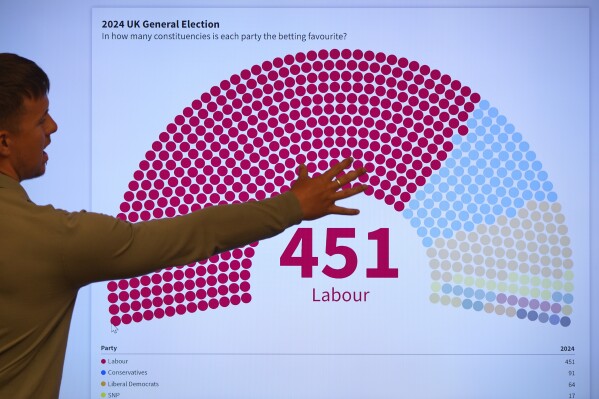
1. General election winner – most seats The headline market. Which party wins the most seats at the next general election? Currently Labour at 13/8, Reform UK at 15/8, Conservatives much longer. This market moves slowly most of the time – and then lurches dramatically when something breaks, like a new party launching or a poll shock. It’s the right market for a long-term position.
2. Next prime minister Who holds the job after the current occupant? Angela Rayner leads at 9/4 to 11/4, Wes Streeting next, Nigel Farage at 11/1. This market moves fast during political crises and is where most of the short-term trading action sits. High-volume, high-volatility. The 78% betting surge toward Rayner in a single weekend in February is the kind of move this market produces regularly.
3. Leadership exit date markets When does a specific leader leave? Starmer’s 2026 exit is currently 1/3 to 2/5. These markets are unusual because they price when rather than if – so you can back the year, or in some cases a specific window like “before September 2026” at 4/6.
4. Local elections and by-elections Shorter-term, faster-resolving markets. Reform at 3/10 to win the May 7 local elections is the current headline price. By-election markets are often very liquid in the final week before polling, when internal party polling leaks into the market through the odds. The Gorton and Denton result last week moved national markets noticeably – the Greens winning that seat shortened Labour’s general election odds overnight.
5. Specials and prop bets Sky Bet now runs Request A Bet for political markets. Coral’s Build Your Bet function takes specific political requests. These include things like “Boris Johnson to join Reform UK AND a general election to be called in 2026” – a prop bet that was generating real money earlier this year. Specials carry wider margins than headline markets but offer odds you won’t find anywhere else.
Where Political Betting Differs from Sports Betting
Three things catch out bettors who come from a sports background.
Information is the edge. In football, you’re betting against thousands of people who’ve watched the same matches and read the same stats. In political betting, a punter who reads the Financial Times, follows political journalists on social media and understands how Labour’s electoral college works in a leadership vote genuinely has an edge over the casual market participant. The 2017 UK general election is the classic example – Labour surged from 100/1 to 11/4 to win most seats within weeks of the snap election being called, and people who understood Corbyn’s grassroots support made serious money.
Markets overreact to short-term noise. Political betting markets move on headlines. The Mandelson scandal drove Starmer’s exit odds from 8/11 to 1/2 in a single afternoon. Many of those bets were placed by people reacting emotionally to a news story rather than assessing the probability calmly. If you can stay cool when everyone else is piling in, the prices you find in a market spike are sometimes excellent value.
Long markets have wider margins. A bookmaker pricing the 2029 general election winner in March 2026 is carrying enormous uncertainty. They build that into the margin – meaning the odds you see are further from “true probability” than they would be for a football match happening on Saturday. Exchange betting through platforms like Betfair or Smarkets tends to have tighter margins on political markets because the price is set by punters rather than the bookmaker.
Three Mistakes Beginners Make
The first is treating political betting like a sports accumulator – piling multiple uncertain political outcomes into a parlay bet. Each leg multiplies the variance. A four-leg political accumulator is almost impossible to land regardless of how good your individual calls are.
The second is ignoring first-past-the-post maths. A party can lead national polling by 10 points and still win fewer seats than its opponent, depending on where those votes are distributed. Reform at 27-31% in national polls could win a majority – or fall well short – depending purely on geography and tactical voting patterns. The general election winner market prices this complexity in. The naive reading of poll numbers doesn’t.
The third is backing heavy favourites without understanding what you’re actually pricing. Starmer’s 2026 exit at 1/3 means you risk £3 to win £1. That’s fine if you’re highly confident – but the 25% chance the market assigns to him staying means one in four times you lose your stake. Short-priced political bets require larger stakes to generate meaningful returns and deserve more scrutiny than their “obvious” nature suggests.
What to Back Right Now
Three markets are worth your attention in March 2026.
The May 7 local elections at Reform 3/10 is a high-confidence short-term market resolving in nine weeks. Farage spent £5 million on the campaign and has the polling lead. It’s a short price for a reason – but nine-week resolution is fast for a political bet.
Angela Rayner at 9/4 for next Labour leader is the medium-term play. If Starmer’s exit date market is right – and the market gives it 70-75% probability – then this resolves sometime this year. Rayner is the frontrunner. At 9/4 that’s reasonable value for the implied probability.
The general election winner is the long-term bet for anyone who wants to sit on a position for two to three years. Labour at 13/8 and Reform at 15/8 are almost evenly matched right now. Restore Britain splitting the right-wing vote helps Labour. Starmer’s replacement by a stronger leader helps Labour. Both of those things look likely based on current markets.
Pick the one that matches how long you’re willing to wait – and start there.