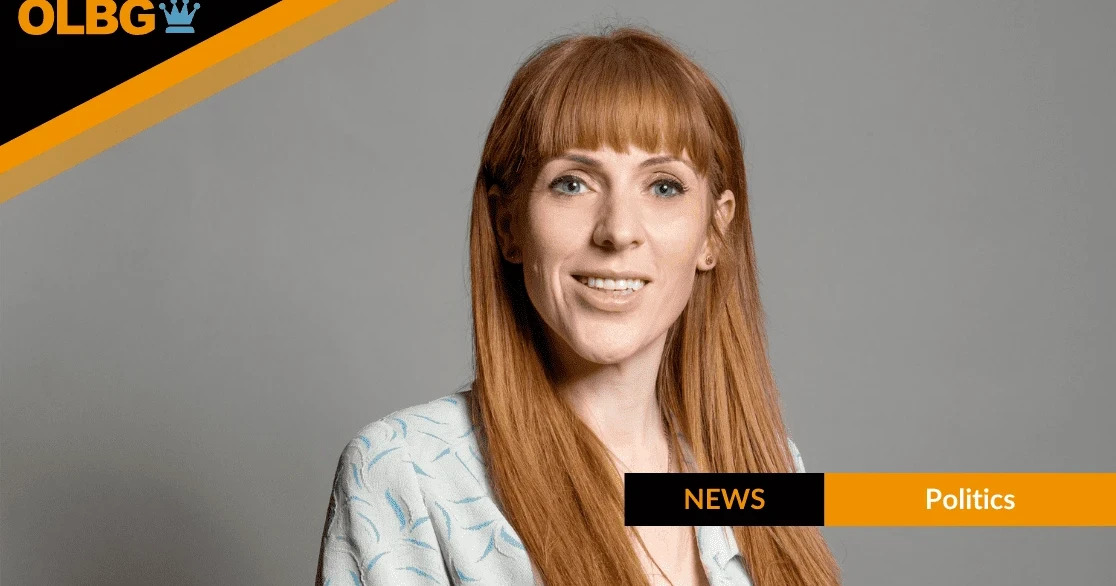
Angela Rayner Next PM Odds: What the Markets Know
Six weeks ago Angela Rayner was 7/1 to become the next Labour leader. Today she sits at 9/4 with Star Sports, 11/4 with Betfred, and leads every major UK bookmaker’s next PM market. On Oddschecker, 78% of all bets placed on the Labour succession race backed her in a single weekend in early February. The market didn’t drift toward Rayner gradually. It snapped – and when betting markets snap that fast, there’s usually a reason worth understanding.
From Sacked Cabinet Minister to Frontrunner in Eight Months
The speed of Rayner’s market rise looks strange until you map the timeline.
She left cabinet in July 2025 after breaching the ministerial code over an underpaid stamp duty bill on a property in Hove. A fairly mundane property tax dispute ended a front-bench career that had taken her from care worker to Deputy Prime Minister. Most wrote it off as a political death sentence.
Then Starmer’s government started collapsing around her. The Mandelson scandal broke in February 2026. The chief of staff resigned. Three communications directors went in quick succession. Starmer’s approval ratings hit the floor. And suddenly the party needed a figure with genuine grassroots credibility – someone who could hold a room in a working-class constituency, talk to unions and sound like they meant it, and carry no fingerprints from the decisions that were sinking the government.
Rayner fitted every point of that checklist. Being outside cabinet when everything went wrong turned from a liability into an asset almost overnight.
Starmer made it explicit. He said publicly he wanted to bring Rayner back to the front line “at the right point.” That single comment – four days before Oddschecker recorded the 78% betting surge – was all the signal the market needed.
Every Number That Matters Right Now
The market picture across platforms as of early March 2026:
Next Labour leader:
- Angela Rayner – 5/2 to 9/4 depending on platform, clear favourite everywhere
- Wes Streeting – 3/1, drifted from previous favourite position
- Ed Miliband – 11/2, shorter than most expected
- Yvette Cooper – 13/2
- Shabana Mahmood – 8/1
- Andy Burnham – 13/2
Next PM after Starmer:
- Angela Rayner – 11/4 (Betfred), 15/8 (William Hill)
- Wes Streeting – 11/4 to 11/2 depending on bookmaker
- Nigel Farage – 11/1
Polymarket prediction market – $1.4 million in trading volume since launching on February 5 – has Rayner at 20% implied probability to be the next PM specifically in 2026, second only to “no change in 2026” at 31%. That’s a crowdsourced bet pool from an international market with no particular tribal loyalty to any British party. The 20% is a clean read of probability, not sentiment.
📊 Key Stat: 78% – the share of bets placed on the next Labour leader market that backed Angela Rayner in a single weekend in early February 2026, driving her odds from 4/1 to 13/8 in 48 hours. (Source: Oddschecker)
“A whopping 78% of bets backed Rayner to succeed Keir Starmer as her odds were slashed from 4/1 to 13/8 over the weekend.” – Chris Rogers, Oddschecker spokesman
The Labour succession race is generating more betting action than any UK political market since the 2019 election. If you want to back a position on the next PM, the Labour leadership contest, or Starmer’s exit date
Why Rayner and Not Streeting
The Wes Streeting question is worth addressing directly, because three months ago he was the overwhelming favourite. Several things have moved against him since.
First, his majority. Streeting holds Ilford North by a margin thin enough that a decent Reform performance at the next election could wipe it out. A Labour leader who might not even hold their own seat is a hard sell to the parliamentary party.
Second, optics. Streeting has been loudly associated with the Blairite moderniser wing that Starmer represented. If the party decides Starmer’s approach was the problem – too cautious, too metropolitan, too focused on not frightening the centre – then picking Streeting is picking more of the same.
Third, he publicly dismissed coup rumours as “unhelpful.” That’s the right thing to say as a sitting cabinet minister. But it also boxes him in. Rayner made no such statements. She stayed visible and warm without ever appearing disloyal – a harder political trick to pull off than it looks.
The Rayner case is built on three things the market values right now: union backing, grassroots support, and clean hands on everything that’s gone wrong since summer 2025.
The William Hill framing captures it well. Their analysts described her as “the continuity choice with a sharper edge” – a leader who represents the party’s instincts rather than a departure from them, but who projects more fight than Starmer ever did.
The Counterargument – And It’s a Real One
Rayner’s path to Number 10 is not straightforward, and the 9/4 price reflects genuine uncertainty rather than a market that’s already called it.
The stamp duty episode hasn’t gone away. It was judged a breach of the ministerial code – not a criminal matter, but a finding of conduct unbecoming a minister. Opposition parties will use it every single time her name is mentioned. Whether that registers with voters the same way it registers with Westminster journalists is an open question, but it’s a line of attack that will run throughout any leadership campaign.
There’s also an electability argument against her. Rayner polls well with Labour members and union delegations. She polls worse in the English marginal seats that Labour needs to hold against Reform. A leader who excites the base but worries the swing voter is not a new problem for Labour – it’s been their defining problem for most of the last forty years.
Brookings Institution analysis from February 2026 noted the broader challenge: any Labour successor inherits a polling deficit against Reform, a split left-of-centre vote with the Greens rising, and an economy that is flatter than the government promised. Whoever wins the Labour leadership contest wins a difficult job, not an easy one.
What Decides This – and When
The May 7 local elections are the first hard trigger. A bad night for Labour – Reform taking councils in the Midlands and North, Greens holding gains in urban seats – removes the argument that Starmer is still viable. MPs who’ve been briefing against him privately start going on record. The window between a bad May result and a formal leadership challenge is measured in weeks, not months.
The Gorton and Denton by-election last week – which the Greens won – already shifted one market. William Hill shortened Labour’s general election odds from 13/2 to 4/1 overnight, citing the Green performance as evidence the anti-Reform tactical voting coalition is forming. That’s good for Labour’s prospects in a general election. It doesn’t make Starmer personally more secure.
Watch Rayner’s public profile between now and May. A deputy prime minister – or former deputy prime minister – who stays in the conversation without triggering a coup narrative is quietly building a transition argument. Every interview, every platform appearance, every set-piece speech between now and the local elections is a leadership pitch with plausible deniability.
The before-September 2026 departure market sits at 4/6 for Starmer. If it resolves yes, the Labour leadership contest opens within days. At 9/4, Rayner is the market’s call on who wins it.