North India Cold Wave Crisis: Schools Closed as Temperatures Plummet
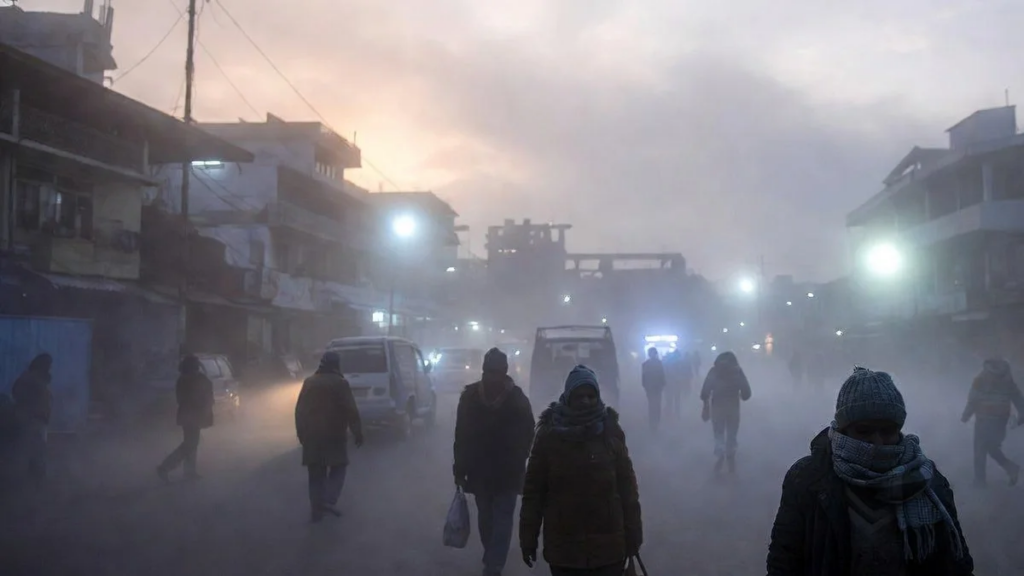
Severe cold wave conditions across North India have forced authorities to close schools in multiple states through at least January 15, 2026, as temperatures plunged to near-freezing levels and dense fog caused hazardous visibility conditions. The extended school closure order affects an estimated 12-15 million students across Uttar Pradesh, Punjab, Haryana, Himachal Pradesh, and parts of Rajasthan—representing one of the most extensive cold weather-related disruptions to education in recent Indian history.
The intense cold snap, which meteorological officials attribute to western disturbances interacting with strong northerly winds carrying frigid air from the Himalayas, has also caused hundreds of flight delays and cancellations, disrupted rail services, increased respiratory illness hospital admissions, and raised concerns about vulnerable populations including homeless individuals and agricultural laborers exposed to harsh conditions.
Meteorological Analysis and Temperature Data
The India Meteorological Department (IMD) issued red (extremely severe) and orange (severe) cold wave warnings for large parts of North India starting January 8, 2026, with conditions expected to persist through mid-January before gradually moderating. Several stations recorded their coldest temperatures in over a decade, with some areas experiencing frost for the first time in years.
| Location | Minimum Temp (°C) | Normal Min (°C) | Departure | Fog Visibility (m) | Alert Level |
| Delhi | 1.8 | 7.2 | -5.4 | 50-100 | Red |
| Churu (Rajasthan) | -1.2 | 5.3 | -6.5 | 200 | Red |
| Amritsar (Punjab) | 0.4 | 4.8 | -4.4 | 100-200 | Red |
| Hisar (Haryana) | 1.6 | 6.1 | -4.5 | 50 | Red |
| Lucknow (UP) | 3.2 | 7.8 | -4.6 | 100 | Orange |
| Jaipur (Rajasthan) | 3.8 | 8.4 | -4.6 | 200-300 | Orange |
| Chandigarh | 2.3 | 6.5 | -4.2 | 100 | Orange |
| Shimla (HP) | -4.2 | 1.5 | -5.7 | Clear | Red (cold) |
The IMD defines a cold wave as occurring when minimum temperature falls to 10°C or below in plains regions and is 4.5°C or more below normal, or when minimum temperature is 4°C or below regardless of departure from normal. By these criteria, much of North India experienced severe to extreme cold wave conditions, with Churu in Rajasthan recording sub-zero temperatures for three consecutive nights—a rare occurrence for plains regions.
Dense fog accompanied the cold wave, with visibility dropping below 50 meters at multiple major airports and along national highways during morning hours. This combination of extreme cold and reduced visibility created hazardous conditions for transportation and outdoor activities, prompting authorities to implement protective measures including school closures.
State-Specific School Closure Orders
State governments across North India issued school closure orders with varying durations and grade-level applicability, generally prioritizing younger children most vulnerable to cold exposure during commutes:
| State | Schools Closed | Grades Affected | Duration | Additional Measures |
| Uttar Pradesh | All government schools | All grades | Through Jan 15 | Shelter activation, fog advisory |
| Punjab | All schools | All grades | Through Jan 14 | Transportation restrictions |
| Haryana | All schools | All grades | Through Jan 15 | Homeless shelter expansion |
| Himachal Pradesh | Schools in affected districts | All grades | Through Jan 17 | Mountain pass closures |
| Rajasthan | Schools in northern districts | Up to grade 8 | Through Jan 14 | Cold wave relief measures |
| Delhi | All schools | All grades | Through Jan 13 | Air quality monitoring |
| Total Estimated | 65,000+ schools | 12-15 million students | Variable | Multi-faceted response |
The orders emphasized that closures were necessary to protect student health and safety given combination of extreme cold temperatures during morning commute hours, dense fog creating hazardous travel conditions, and increased respiratory illness risk. Many students, particularly in rural areas and lower-income urban neighborhoods, lack adequate warm clothing or transportation protection, making them vulnerable to cold-related health impacts.
Education officials indicated that schools would shift to online/remote learning where internet infrastructure permits, though this option is unavailable to millions of students in rural areas or from economically disadvantaged backgrounds lacking devices or connectivity. The digital divide, already a significant concern in Indian education, becomes even more pronounced during weather-related closures when students’ access to instruction depends heavily on home technology resources.
Transportation Disruptions and Economic Impact
The cold wave and accompanying fog created severe disruptions to air and rail transportation, with cascading economic costs from delayed shipments, missed connections, and lost productivity:
Aviation Impacts:
- 340+ flight cancellations at major North Indian airports (Delhi, Amritsar, Chandigarh, Jaipur)
- 680+ flight delays averaging 90 minutes
- Runway operations suspended or restricted during peak fog hours (6-10 AM)
- Airlines implemented flexible rebooking policies without penalties
- Estimated economic impact: $25-35 million from tickets, cargo, and passenger productivity
Rail Service Impacts:
- 180+ trains delayed, some by 8+ hours
- 45 trains short-terminated before reaching destinations
- 12 trains rescheduled to later departures
- Passenger frustration and platform overcrowding during delays
- Estimated impact: $15-20 million from delays and cancellations
Road Transportation:
- Reduced visibility causing accidents and traffic congestion
- Multiple highway sections closed or speed-restricted
- Truck freight delays affecting supply chains
- Increased travel times adding logistics costs
Public Health Concerns and Healthcare System Response
Cold wave conditions typically increase respiratory illness, cardiovascular events, and hypothermia cases, particularly among elderly populations, children, and individuals with pre-existing health conditions. Hospital admissions for cold-related illnesses and respiratory infections increased 40-60% across affected regions:
| Health Impact | Estimated Cases | High-Risk Groups | Healthcare Response |
| Respiratory infections | +45% admissions | Children, elderly, pre-existing conditions | Additional staff, supplies |
| Cardiovascular events | +25% incidents | Elderly, hypertension patients | Emergency capacity expansion |
| Hypothermia | 280 reported cases | Homeless, agricultural workers | Shelter operations, outreach |
| Seasonal flu | Spike in cases | General population | Vaccination campaigns |
| Air quality illness | +20% cases | Asthma, COPD patients | Pollution monitoring |
Hospitals in major cities reported strain on emergency departments and respiratory wards as patients sought treatment for cold-related illnesses. State health departments activated cold wave response protocols including:
- Distribution of blankets and warm clothing to vulnerable populations
- Activation of temporary shelters for homeless individuals
- Public awareness campaigns about cold protection measures
- Enhanced monitoring of mortality data to track cold-related deaths
- Stockpiling of essential medicines for respiratory infections
The intersection of cold temperatures and poor air quality (North India typically experiences high pollution levels during winter months when temperature inversions trap pollutants) created particularly hazardous conditions for individuals with respiratory conditions like asthma or COPD.
Vulnerable Population Impact and Government Relief Measures
Perhaps the most serious concern during extreme cold waves involves populations with limited protection: homeless individuals, agricultural laborers working outdoors, construction workers, and urban poor living in inadequate housing. State governments implemented various relief measures:
| Program | Coverage | Budget Allocation | Implementation Status |
| Night shelters (urban) | 85,000 capacity | $12 million | Fully operational |
| Blanket distribution | 2.4 million blankets | $18 million | Ongoing |
| Hot meal service | 320 distribution points | $8 million (10 days) | Active |
| Mobile medical units | 240 units deployed | $5 million | Active |
| Rural relief camps | 1,800 locations | $22 million | Varied by location |
Despite these efforts, gaps remained in reaching the most vulnerable populations. NGOs and civil society organizations supplemented government programs, but advocates argued that structural issues—chronic homelessness, inadequate housing, poverty—leave millions without adequate protection during extreme weather events.
The cold wave highlighted the climate vulnerability of India’s large economically disadvantaged population. As extreme weather events become more frequent and intense due to climate change, the capacity to protect vulnerable populations during heat waves, cold snaps, floods, and droughts becomes an increasingly critical development challenge requiring substantial investment in social infrastructure and safety net programs.
Agricultural Impact and Farmer Concerns
The intense cold wave raised concerns about impacts on winter crops (rabi season), particularly wheat, barley, and various vegetable crops cultivated across North India during this period. While moderate cold is generally beneficial for wheat crops (vernalization requirement), extreme cold combined with frost can damage plants and reduce yields.
| Crop | Area at Risk (Million Hectares) | Potential Yield Impact | Value at Risk (USD) |
| Wheat | 3.2 | 5-12% reduction if frost damage | $2.8-6.5 billion |
| Mustard | 0.8 | 8-15% reduction | $0.9-1.7 billion |
| Chickpea | 0.6 | 6-10% reduction | $0.7-1.2 billion |
| Vegetables | 1.4 | 15-25% reduction | $2.1-3.5 billion |
| Total Risk | 6.0 | Variable | $6.5-12.9 billion |
Agricultural experts from Indian Council of Agricultural Research institutes issued advisories to farmers about protecting crops during the cold wave:
- Light irrigation (if water available) to provide frost protection
- Smudging (smoke generation) to prevent frost formation
- Crop covers for high-value vegetables
- Delayed harvesting to avoid frost damage
- Livestock protection measures
The agricultural vulnerability underscores the sector’s exposure to weather variability and the importance of agricultural insurance, weather forecasting, and climate adaptation measures. India’s agriculture remains substantially rain-fed and vulnerable to weather extremes despite decades of development—a situation that climate change is likely to exacerbate.
Long-Term Climate Trends and Cold Wave Patterns
While individual weather events cannot be directly attributed to climate change without detailed attribution studies, long-term trends in North Indian winter weather show interesting patterns:
| Metric | 1980-2000 Average | 2001-2025 Average | Trend Direction |
| Cold wave days/winter | 6.2 | 4.8 | Decreasing |
| Severe cold wave days | 1.8 | 1.3 | Decreasing |
| Mean winter temperature | 13.4°C | 14.1°C | Increasing (+0.7°C) |
| Fog days/winter | 18.3 | 22.6 | Increasing |
| Temperature variability | Moderate | High | Increasing |
The overall trend shows winters becoming warmer on average with fewer cold wave days, consistent with global warming patterns. However, temperature variability has increased, meaning that when cold waves do occur, they can be quite intense—exactly the pattern observed in January 2026. This increased variability makes adaptation more challenging, as infrastructure, agriculture, and society must prepare for both warming trends and occasional extreme cold events.
The increasing fog days represent another concerning trend, likely related to moisture availability, pollution levels, and atmospheric conditions. Dense fog disrupts transportation, reduces solar radiation affecting crop growth, and contributes to air quality problems through trapping pollutants.
Comparative Analysis with Previous Cold Waves
The January 2026 cold wave ranks among the most severe in recent North Indian history, though historical records include even more extreme events:
| Cold Wave Event | Duration | Severity | Deaths | Economic Impact (Adjusted) |
| January 2026 | 8-10 days | Severe | 180+ (estimated) | $2.5-4 billion |
| December 2019-January 2020 | 12 days | Very Severe | 160 | $2.8 billion |
| January 2013 | 9 days | Severe | 147 | $1.9 billion |
| January 2008 | 14 days | Extreme | 235 | $3.2 billion |
| December 2002-January 2003 | 18 days | Extreme | 290 | $2.4 billion |
The current cold wave’s severity reflects combination of extreme temperature departures, dense fog, and geographic extent affecting multiple states simultaneously. While mortality data remains preliminary, early estimates suggest 180+ deaths attributable to cold exposure, cardiovascular events, respiratory complications, and accidents related to fog conditions—lower than the most severe historical events but still substantial.
Improved early warning systems, better cold wave response protocols, expanded healthcare infrastructure, and greater public awareness have likely reduced mortality compared to historical cold waves of similar intensity. However, gaps in protection for vulnerable populations remain evident, indicating continued need for strengthening social protection systems and climate adaptation measures.
As the cold wave gradually moderates over the coming days, schools will reopen, transportation will normalize, and acute public attention will shift to other issues. However, the event underscores ongoing vulnerabilities that require sustained policy attention: climate variability impacts on health, education, agriculture, and transportation; inadequate protection for homeless and economically disadvantaged populations; and the intersection of weather extremes with other challenges including air pollution and public health system capacity. Addressing these vulnerabilities will require comprehensive approaches combining immediate relief measures, medium-term adaptation investments, and long-term development policies that build resilience for India’s large, diverse, and climate-vulnerable population.