Rubio Brought Roses. Starmer Brought a Speech. And Nobody Knows If Either Meant Anything
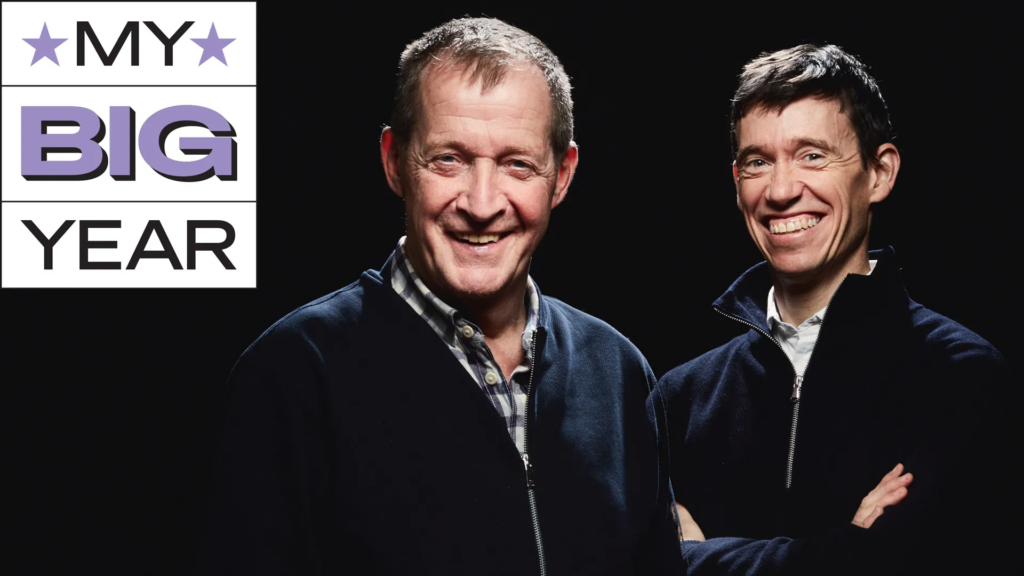
🎧 Episode: The Rest Is Politics #501 — “Is Starmer Too Soft on Trump? Inside the Munich Security Conference” (16 February 2026, ~55 mins). Available on Spotify and Apple Podcasts.
This episode was recorded live — or at least on location — from the Munich Security Conference, the annual gathering where Western leaders, defence officials, and foreign policy nerds descend on the Bayerischer Hof hotel to discuss who’s threatening whom and what to do about it. Alastair Campbell and Rory Stewart were both in the room, giving the episode an energy that studio recordings don’t usually have.
The big story: US Secretary of State Marco Rubio gave the keynote on February 14, exactly one year after Vice President JD Vance used the same stage to lecture Europeans about their “retreat from shared values.” Vance’s speech was hostile, aggressive, confrontational. Rubio’s was the opposite — warm, emotional, full of references to shared heritage and Western civilisation. He called America “a child of Europe.” He got a standing ovation.
The question at the heart of the episode: was Rubio’s charm offensive real, or just the same demands wrapped in nicer paper?
What Campbell and Stewart Discussed
Rubio vs Vance — same message, different packaging. Both hosts agreed that Rubio’s speech was a calculated tonal shift from Vance’s Munich appearance last year. But they diverged on what it means. Campbell argued that European leaders were too eager to be reassured — that the underlying Trump agenda (pull back from multilateralism, force Europe to spend more on defence, bully allies on trade) hadn’t changed. He pointed to the fact that Rubio repeated Vance’s warnings about “mass migration” and the “climate cult” — just with better manners.
Stewart was more nuanced. He acknowledged the substance hadn’t shifted much, but argued that tone matters in diplomacy. The difference between Vance saying “you’re all failing” and Rubio saying “we want to work with you” creates real space for negotiation, even if the demands are identical. Stewart drew on his own experience as a former Foreign Office minister to argue that diplomats can work with warm words, even insincere ones. They can’t work with hostility.
📊 Context: Belgian Defence Minister Theo Francken told reporters after the speech that Rubio and Vance’s content was “pretty much the same” — but Rubio delivered it “in a very diplomatic way.” France’s Benjamin Haddad was blunter, warning Europe not to “cling to some love words” and “push the snooze button.” (Source: Foreign Policy,CNBC)
Is Starmer too soft on Trump? This was the main UK-focused debate. Starmer’s Munich speech called Europe “a sleeping giant” and pushed for “deeper economic integration” with the EU, including closer alignment with the single market. He said Britain was “not the Britain of the Brexit years anymore.” He committed to Article 5. He talked about deploying the UK carrier strike group to the Arctic.
Campbell’s position: Starmer is playing a smart long game. By positioning Britain as a bridge between the US and Europe, he’s carving out a role that neither Brussels nor Washington can fill. The EU pivot is overdue and popular with voters. And he’s doing it while Trump is distracted by Iran, Greenland, and internal chaos.
Stewart pushed back. His argument: Starmer’s speech was fine on paper, but lacked the boldness the moment demands. Europe is at a genuine inflection point — Russia is threatening NATO’s eastern flank, Trump is openly questioning the alliance, and European defence spending is still woefully inadequate. Starmer’s language about “closer alignment” and “sector-by-sector” integration with the EU is too incremental for a crisis that demands big moves. Stewart suggested Starmer is “trying to buy time” when the world isn’t offering any.
The core tension: Campbell sees Starmer as cautious-but-correct, playing within his constraints. Stewart sees those constraints as self-imposed, and argues the PM needs to think bigger — or risk being irrelevant when the decisions that matter are made without him.
Europe’s response — united or performative? Both hosts discussed the broader European reaction. EU Commission President Ursula von der Leyen called Rubio’s speech “very reassuring” but noted that “some in the administration have a harsher tone.” NATO Secretary General Mark Rutte backed Trump’s negotiating approach with Russia. EU foreign policy chief Kaja Kallas rejected Rubio’s “woke Europe” framing and said the continent was “pulling up our boots, revving up our engines.”
Stewart was impressed by Kallas, calling her one of the few European leaders willing to push back on Washington publicly. Campbell was more cynical, arguing that Munich is a “performance space” — leaders say the right things over canapes, then go home and do nothing.
The ungovernable Britain question. The episode also circled back to the domestic crisis — the Epstein-Mandelson fallout, McSweeney’s resignation as chief of staff, and whether Starmer’s government is simply too damaged to execute the foreign policy pivot it’s announcing. This connects directly to the previous episode (#499, “Is It Game Over for Starmer?”), which asked whether the PM’s departure was now a question of “when, not if.”
Campbell was defensive on this point — he’s a Labour loyalist, a personal friend of Mandelson’s (though one who’s publicly agonised over the Epstein revelations), and he clearly wants the government to survive. But even he conceded that Starmer’s domestic authority is draining away at the exact moment he needs it most for the international stage.
Stewart, with the luxury of not being Labour, was more direct: a prime minister who can’t hold his own party together can’t credibly lead a European security alliance. The Munich speech was good. But speeches don’t matter if the government that delivers them might not exist in six months.
Why This Episode Matters
This is one of those episodes where the podcast format genuinely adds something you can’t get from a news article. Campbell and Stewart were physically at the conference. They’d spoken to delegates, sat through the speeches, picked up corridor gossip. The discussion has a texture — personal observations, real-time reactions, disagreements that feel genuine rather than performative — that a studio show can’t replicate.
It also captures a moment. Munich 2026 may turn out to be the conference where Europe decided to grow up — or the one where it decided to keep hoping America would come back. The Rubio-Vance contrast perfectly illustrates the two impulses fighting for control of US foreign policy. And Starmer’s speech, landing in the middle of his worst domestic crisis, shows the impossible juggling act facing a PM who’s trying to reset Britain’s place in the world while his own party is falling apart around him.
If you only listen to one Rest Is Politics episode this month, it should probably be #499 (“Is It Game Over for Starmer?”) for the domestic crisis. But if you want the foreign policy picture — and how the two crises feed into each other — #501 is essential.
Next in the series: We’re covering the latest from The News Agents and Pod Save the UK as the Gorton and Denton by-election enters its final week. Stay tuned.
Sources: CNN, Foreign Policy, NPR, ITV News
