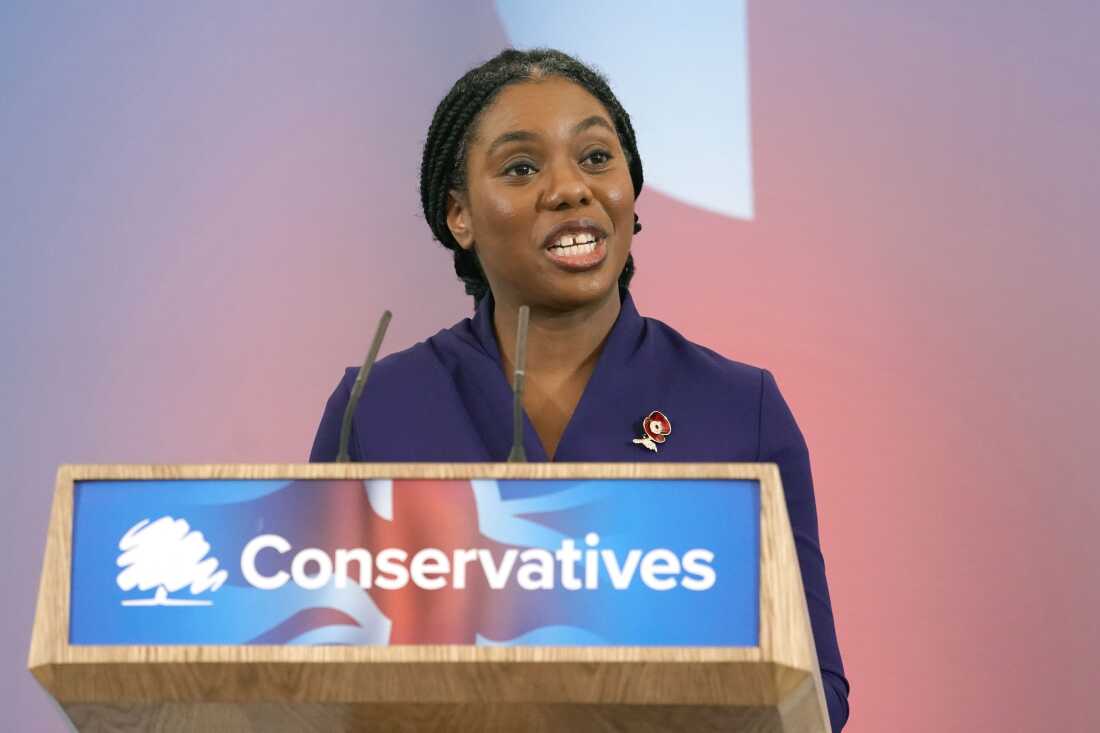
Kemi Badenoch Odds: Can She Survive as Tory Leader?
Kemi Badenoch has been Conservative leader for less than 18 months. She won the job in November 2024 after a bruising contest, beat Robert Jenrick in the final round, and inherited a party that had just lost 250 seats at the general election. By February 2026, bookmakers had her at 8/11 to be replaced as leader before the year is out. Bet365 made it odds-on. Betfair Exchange moved 2026 to favourite in the exit year market. And 57% of all bets placed on Badenoch’s departure date backed her leaving in 2026 – after a single turbulent week in which up to a dozen Conservative MPs reportedly sent no-confidence letters calling for her to stand down.
The question isn’t whether Badenoch is under pressure. That’s settled. The question is whether the pressure turns into an actual leadership change – and if so, who wins what comes next.
How Badenoch Got Here
The story of her leadership is, in shorthand, the story of a party trying to fight a two-front war it can’t win.
On the right, Reform UK keeps pulling away Conservative voters. Nigel Farage’s party sat ahead of the Tories in national polling for most of 2025, and the defections have been relentless. Robert Jenrick – her main rival in the 2024 leadership race – was sacked from the shadow cabinet in January 2026 after being accused of “plotting to defect” to Reform and then formally joined the party. Several senior Conservatives followed: Andrew Rosindell, Suella Braverman, Danny Kruger. Each defection made Badenoch look weaker to the MPs still inside the tent.
On the left flank, the Liberal Democrats are eating the party’s southern heartland seats – the comfortable home-counties seats that were supposed to be Reform-proof. A party squeezed from both sides, polling below 20% nationally, with their own leadership plotting against them. That’s the Conservative position in March 2026.
Badenoch’s defence is that she inherited an unwinnable situation and has barely had time to build anything. Her supporters compare her to Iain Duncan Smith – a right-wing leader who was unpopular with his MPs but whose ideas eventually shaped the party’s direction years after he was gone. The comparison is meant to be reassuring. It’s also a reminder that Duncan Smith lasted just over two years before being ousted.
The Odds in Full – March 2026
Badenoch exit year market:
- 2026 – 8/11 at bet365, 2/1 cut from 3/1 at other platforms
- 2027 – 3/1
- Survives to lead party into next election – 3.05/2 on Betfair Exchange, still the single most likely individual outcome
That last number matters. Even with the pressure, she is still the favourite to still be leader when the election eventually comes. The exit market and the survival market are not contradictory – they price different scenarios and sometimes both shift in opposite directions on the same day.
Next Conservative leader succession market:
- James Cleverly – 9/2, clear favourite after Jenrick’s defection
- Katie Lam – short prices, notable given she was only elected in 2024
- Boris Johnson – reappeared in the top three at Paddy Power, longshot but not ignored
- Robert Jenrick – drifted from evens to 20/1 after defection, then back into the frame for Reform leadership instead
📊 Key Stat: 57% – the share of bets on Badenoch’s exit date market backing a 2026 departure, driving her odds to be cut from 3/1 to 2/1 in a single week in late February. (Source: bookmaker data, February 24 2026)
“The Northwest Essex representative to leave before the end of the year is now 2/1, cut from 3/1. A weighty 57% of bets backed Badenoch to exit in 2026.” – London Loves Business, February 24 2026
The Conservative leadership market is one of the most volatile in UK political betting right now – odds shift within hours of any Westminster briefing. If you want a position on Badenoch’s exit date, the next Tory leader, or the broader general election market:
BetPortal Amunbet Fortunica VegasNova Highspin West Ace











James Cleverly: The Unity Candidate Nobody Loves
The Jenrick defection reshaped the next Conservative leader market overnight. Jenrick had been the clear favourite – as short as evens at some bookmakers – on the assumption he was the natural successor to a Badenoch who didn’t make it to the election. When he was sacked for plotting to defect and then formally joined Reform, that entire market had to reprice from scratch.
The immediate beneficiary was James Cleverly at 9/2. The logic is straightforward. He has cabinet-level experience – Foreign Secretary, Home Secretary. He’s seen as a centrist figure who could claw back votes from the Liberal Democrats in southern seats without driving the remaining right-wing membership toward Reform. He’s not divisive in the way Badenoch is, or was in the way Jenrick had become.
The problem is that “not divisive” and “unity candidate” are descriptions of what Cleverly isn’t rather than what he is. He was eliminated in the 2024 leadership contest in circumstances that remain somewhat murky – it appeared Jenrick’s supporters had lent votes to Cleverly to try to squeeze out Badenoch, only for the plan to backfire catastrophically when Cleverly finished third. His standing with the membership wasn’t fully tested. He’s the frontrunner in a wide-open race, which is a different thing from being a strong candidate.
Katie Lam’s position in the market is the genuinely surprising data point. Elected in 2024, serving as the party’s Assistant Whip, she has virtually no national profile. But she sits in the top three across multiple bookmakers – suggesting at least some serious money thinks the party’s next move is to skip the experienced figures entirely and try a complete reset with someone new.
Boris Johnson at 7/1 with some platforms is the market keeping a door slightly open for chaos rather than expressing genuine conviction.
The No-Confidence Trigger – How It Actually Works
Rule change matters here. The Conservative Party revised its leadership challenge mechanism after the Truss debacle. A formal vote of no-confidence now requires 30% of the parliamentary party to submit letters – not the previous 15%.
With the Conservatives holding approximately 120 MPs after the 2024 wipeout, that threshold means roughly 36 letters. Reports suggest up to a dozen had been written by late February. That’s a meaningful number but still less than half what’s needed. Unless the May local elections produce a catastrophic result – and Conservatives face a brutal map in local government – the trigger isn’t easily pulled.
Betfair Exchange noted the structural parallel with Iain Duncan Smith, who was on the right of the party, more popular with the membership than with his MPs, and who “performs badly in the media.” IDS lasted two years and two months as leader while in opposition. He was ousted not by poll numbers but by a specific internal moment – a welfare reform controversy that gave wavering MPs the justification they’d been looking for.
For Badenoch, that specific moment hasn’t arrived yet. The May local elections are the most likely candidate.
What a Bad Night in May Looks Like
The Conservatives hold a thin slice of English councils compared to where they were five years ago. Their targets on May 7 are mostly defensive – holding what they have against Reform on the right and Liberal Democrats on the left simultaneously.
A night where they lose significant council seats to both parties tells two different stories at once. The Reform losses confirm the right flank is gone. The LibDem losses confirm the centre has gone too. That double narrative, running through every news broadcast on the night, is the kind of moment that shifts wavering MPs from “keeping their powder dry” to “submitting a letter.”
Watch the seat count against the 2021 baseline – the last time most of these councils were contested. The Conservatives were in a very different position then. Anything below 2022 performance triggers a leadership conversation. Anything resembling 2025’s local election wipeout – when Reform took 677 seats – ends the conversation entirely and starts a different one.
Badenoch has said she intends to lead the party into the next election. At 3.05 on Betfair Exchange, the market still gives her the best single odds on doing exactly that. But the gap between that price and the 8/11 exit-in-2026 price tells you how genuinely uncertain things are – and why this market moves every time a Conservative MP talks to a journalist.